
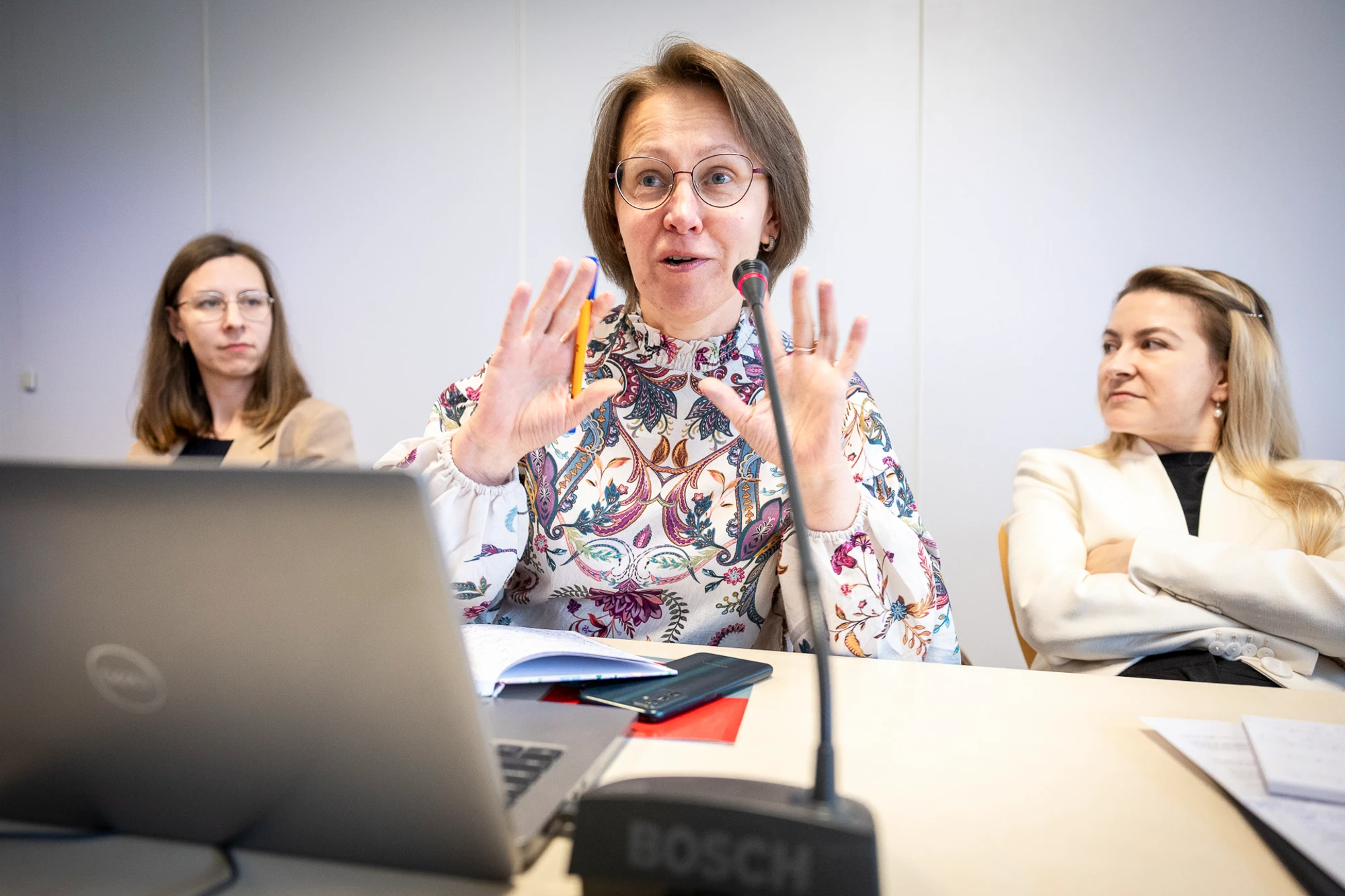
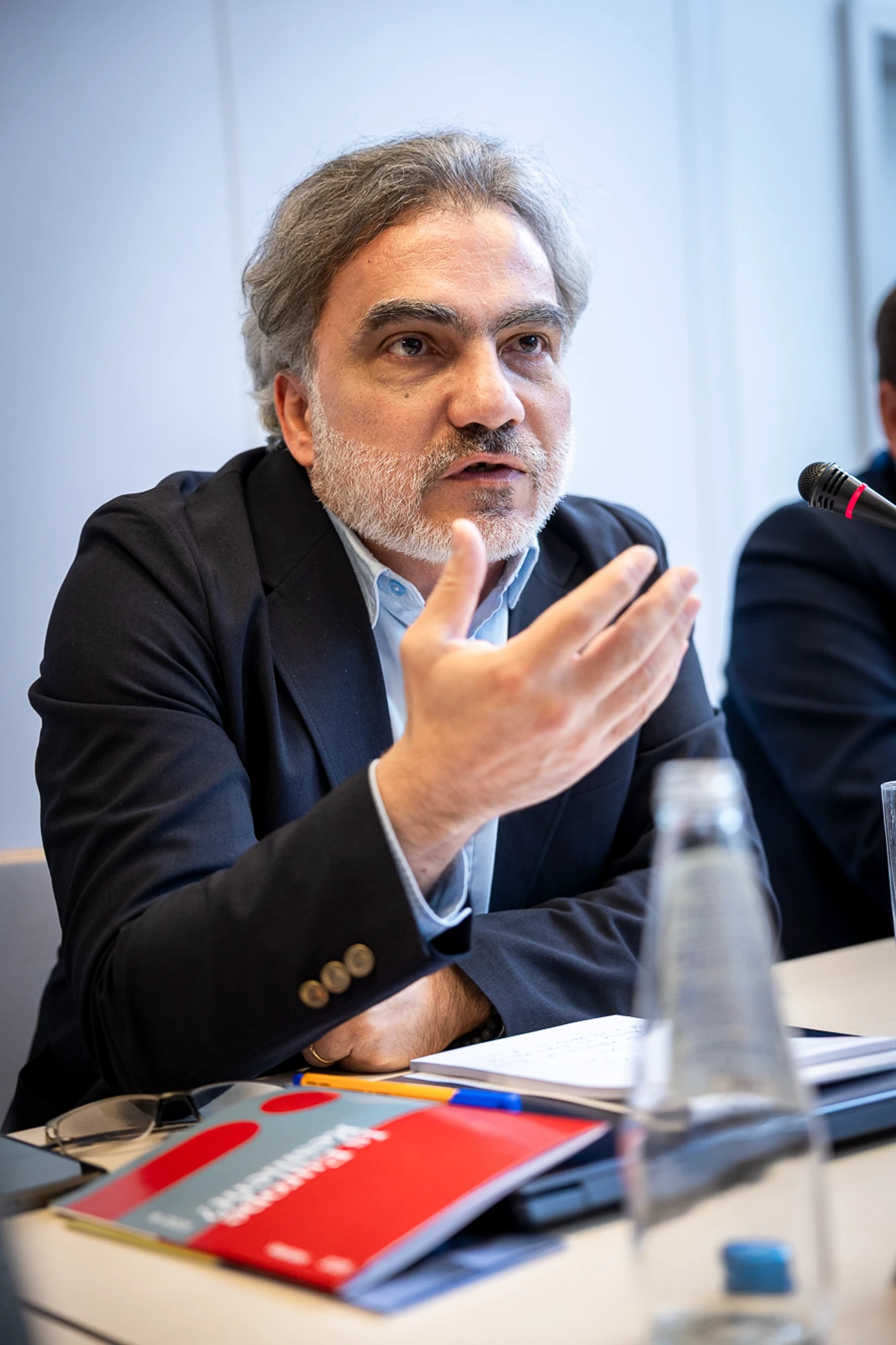
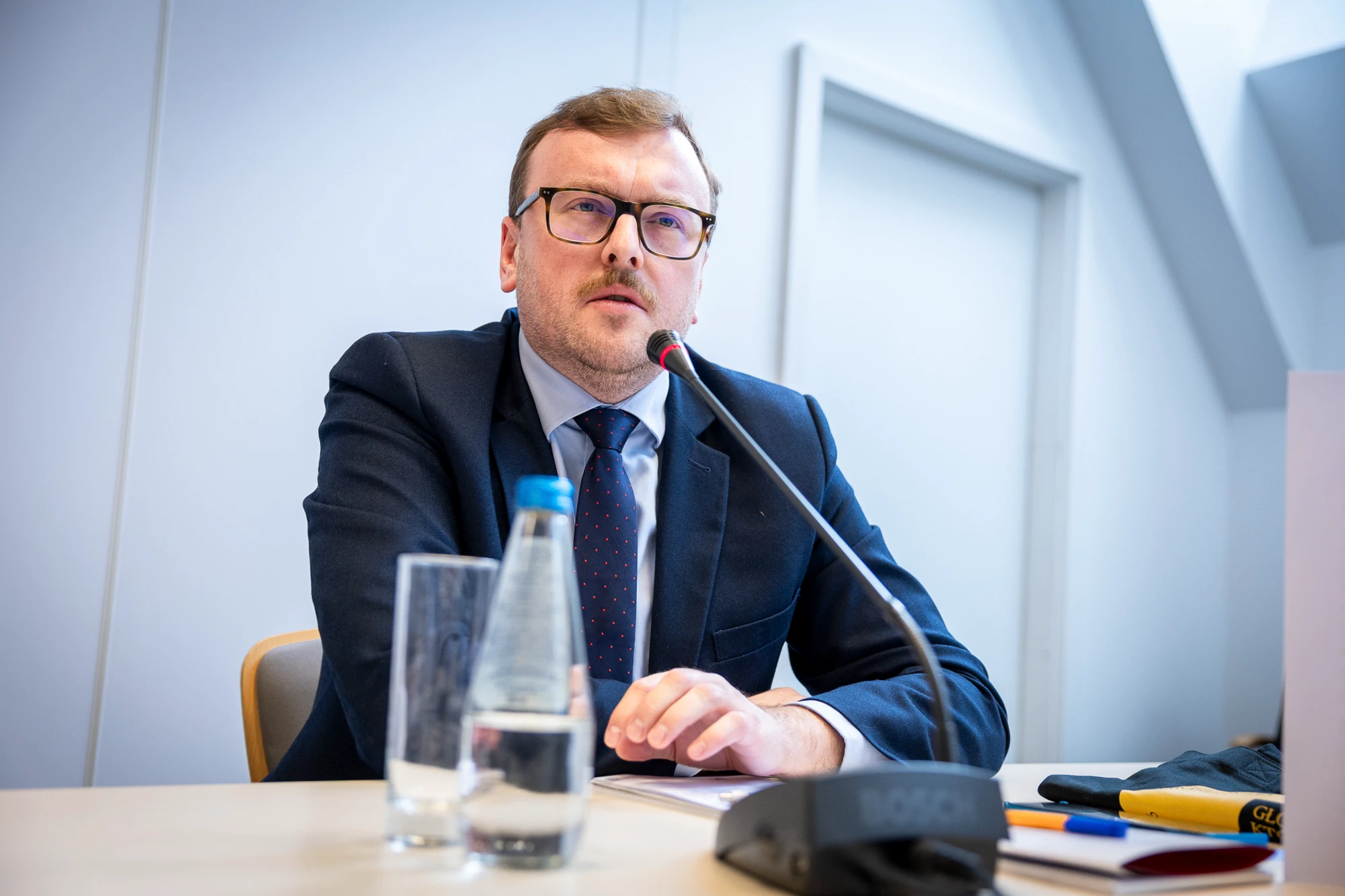

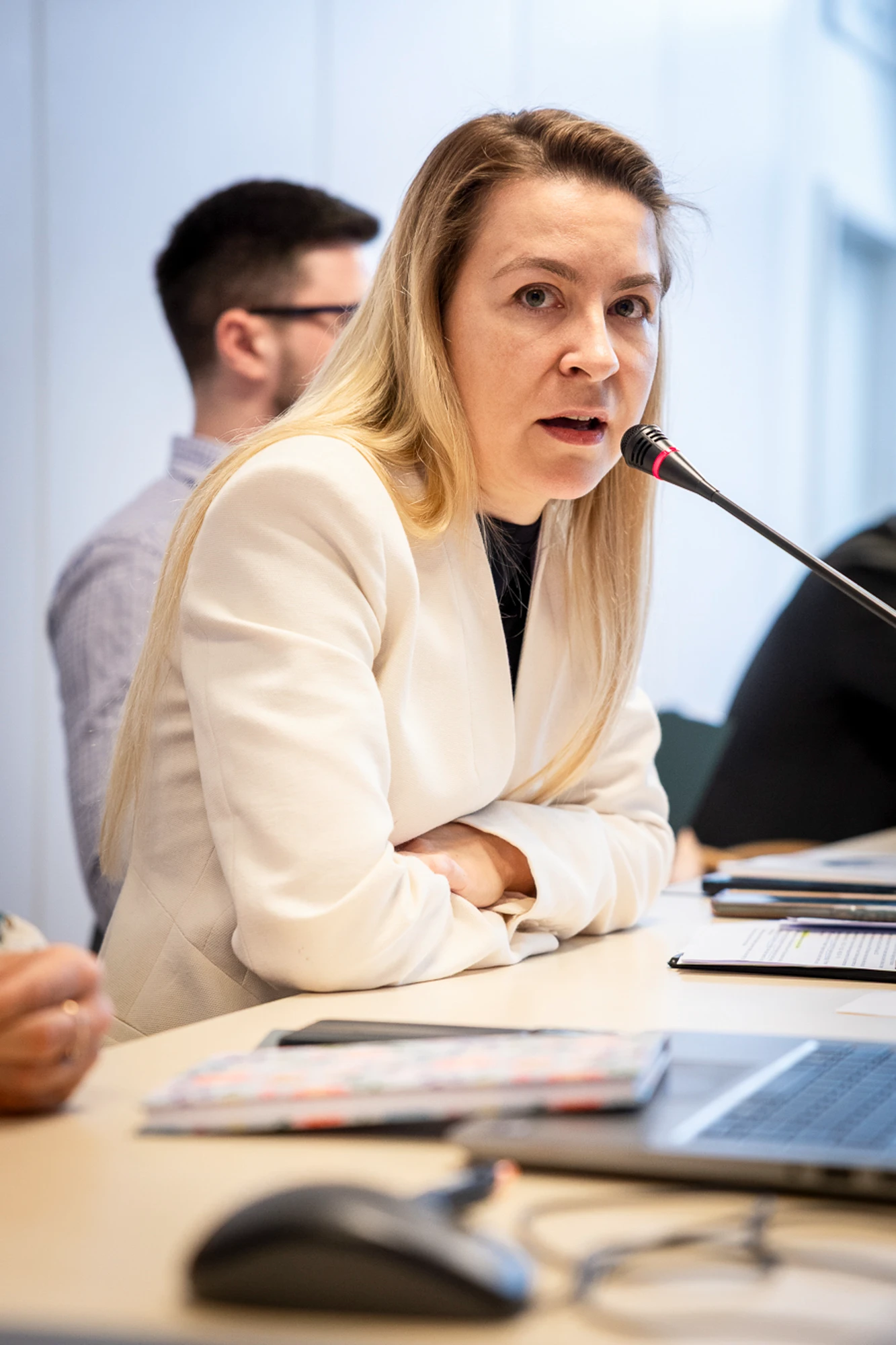
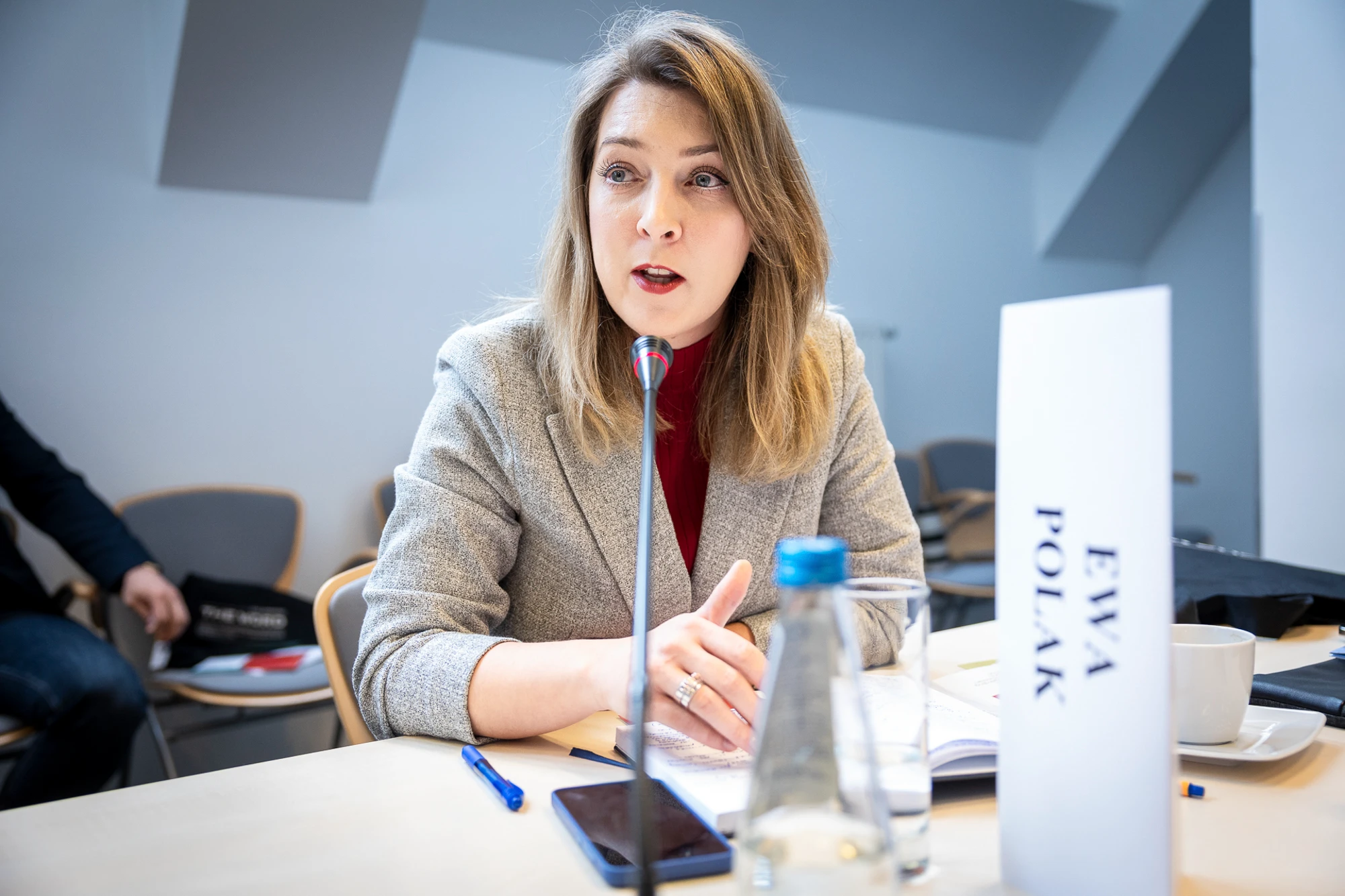

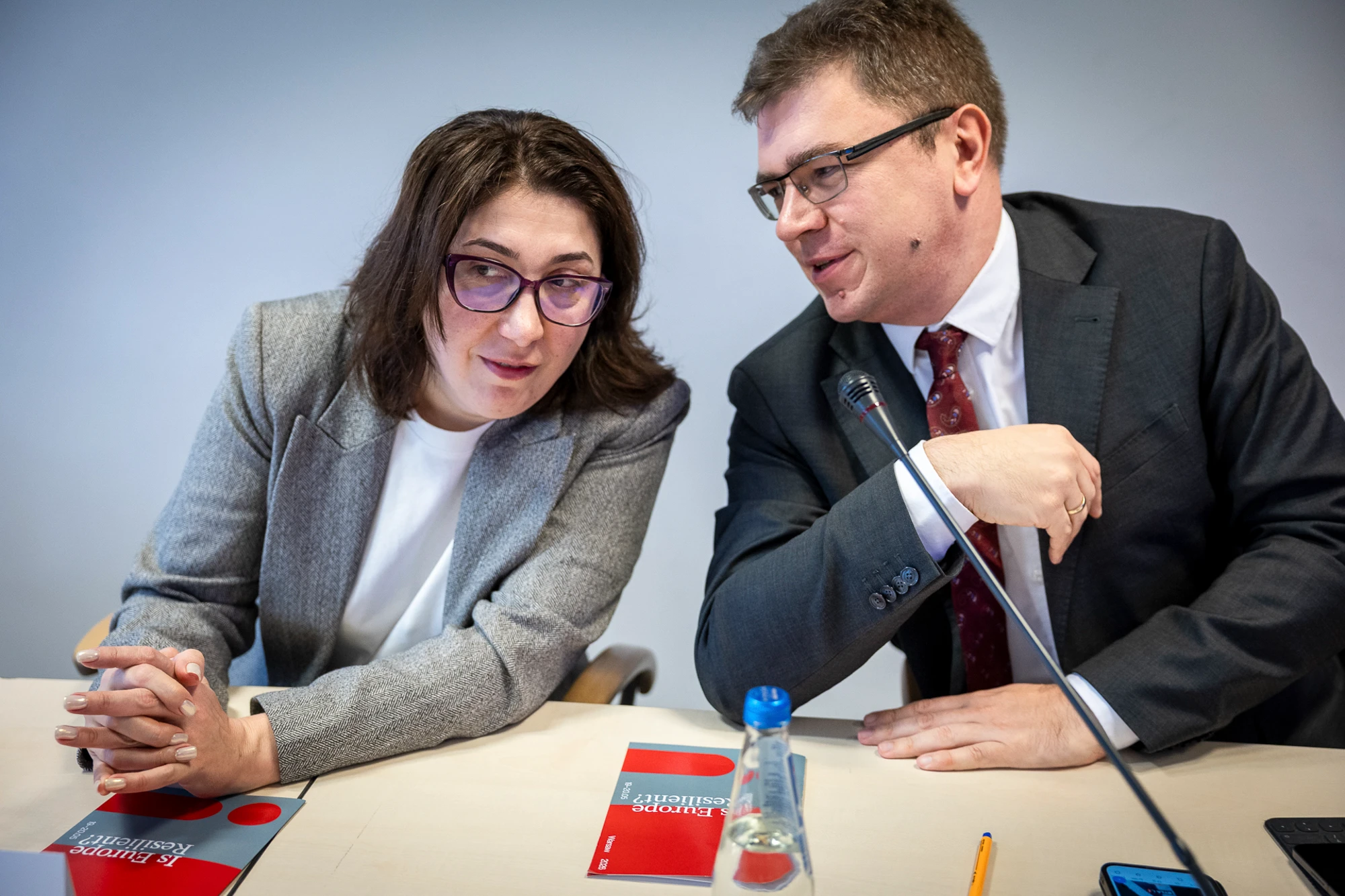
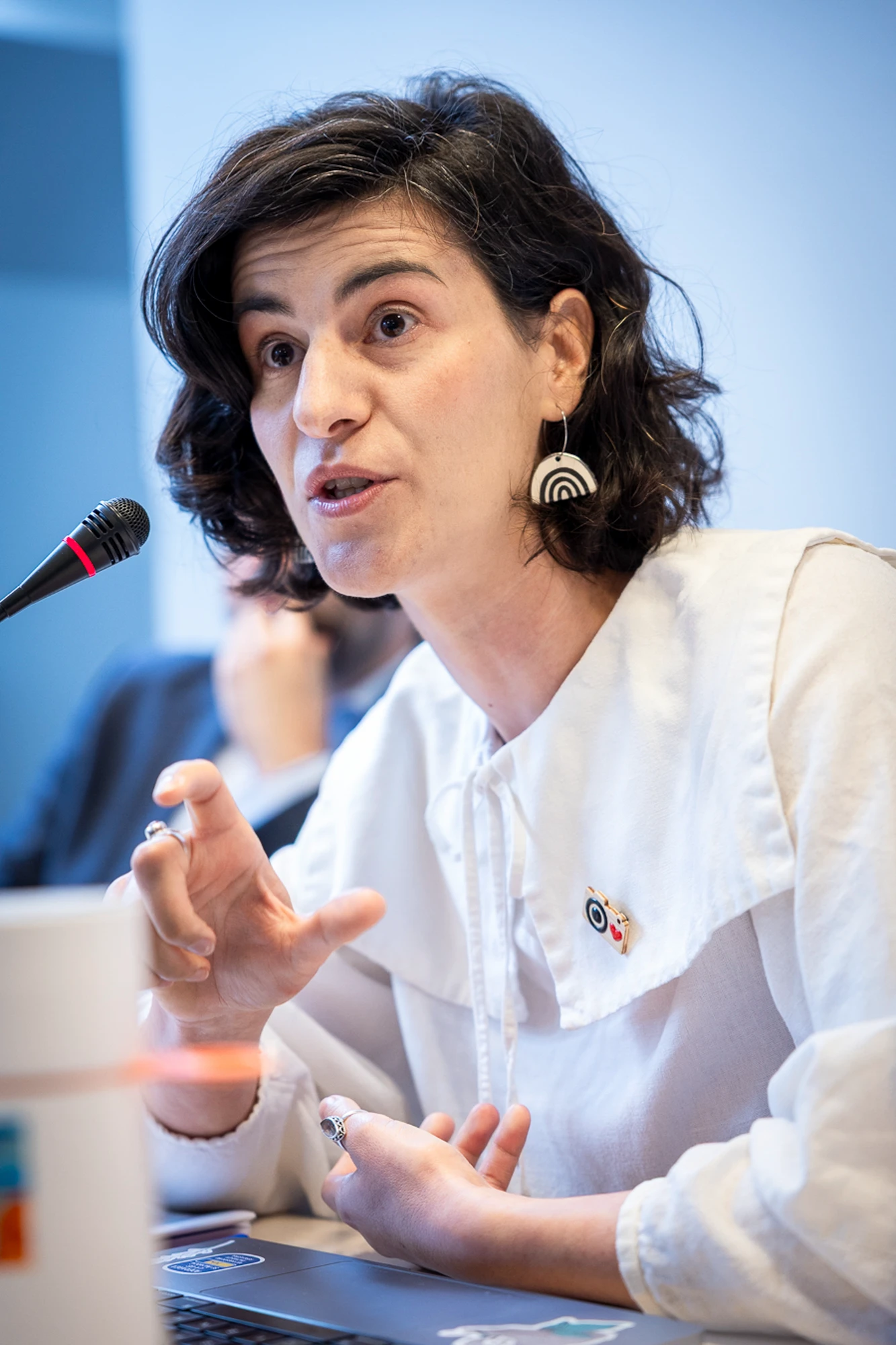
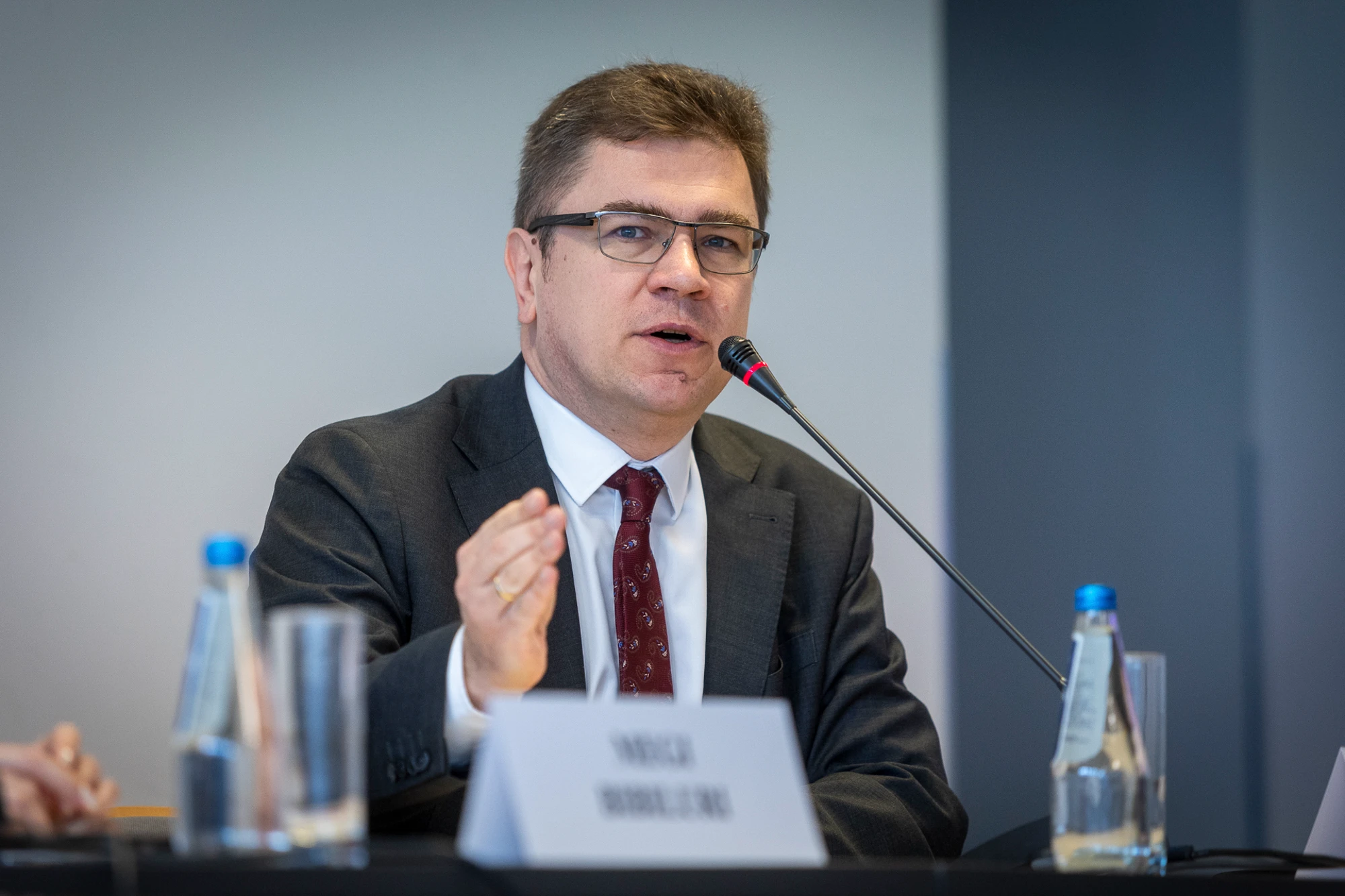


Is Europe Resilient? Experts discuss Russian hybrid influence on language, education, culture, and religion
How does Russia use language, education, culture, and religion to build political influence and weaken societal resilience? Can the experiences of Eastern Partnership countries help Europe better prepare for similar challenges?
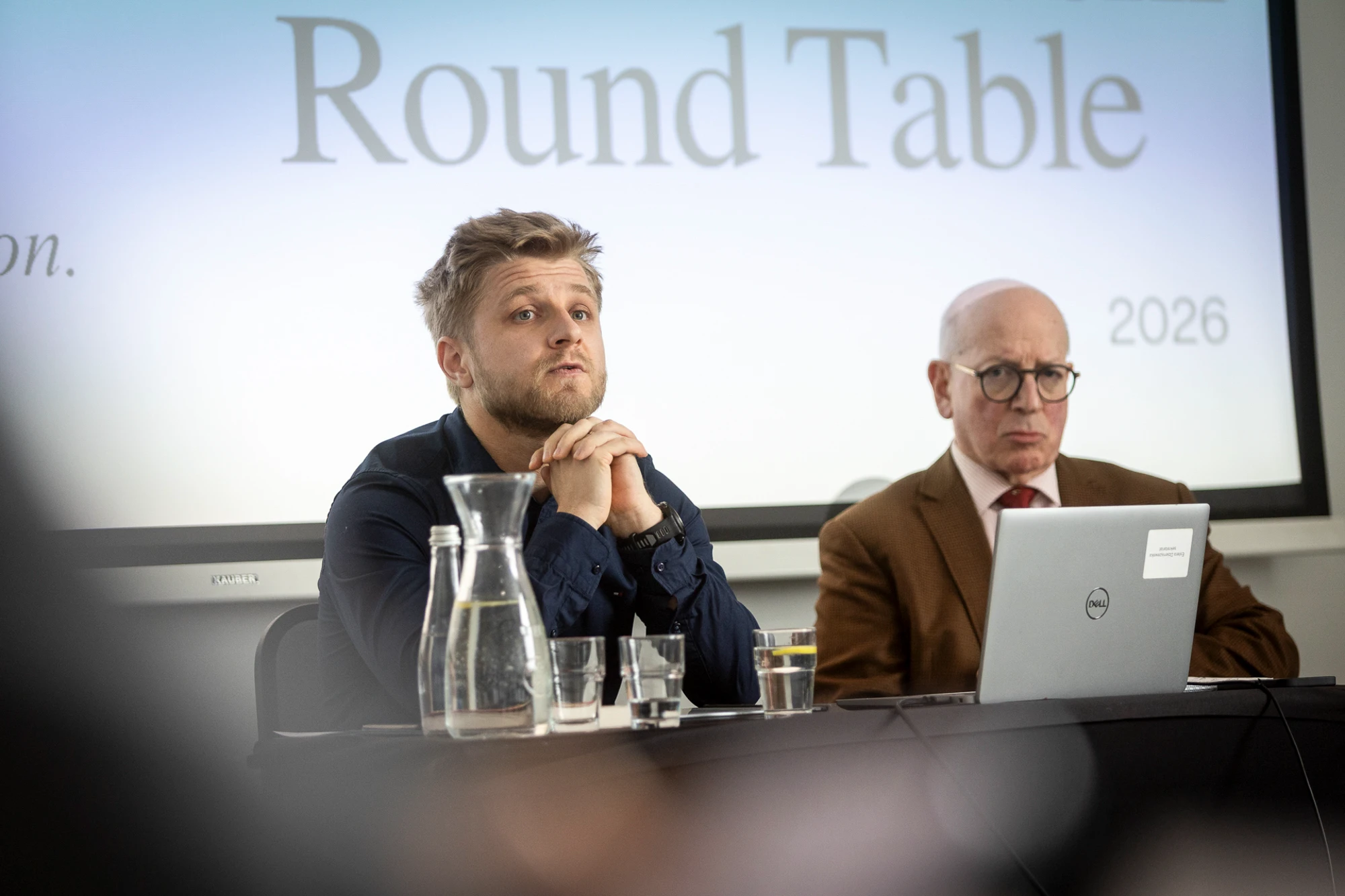
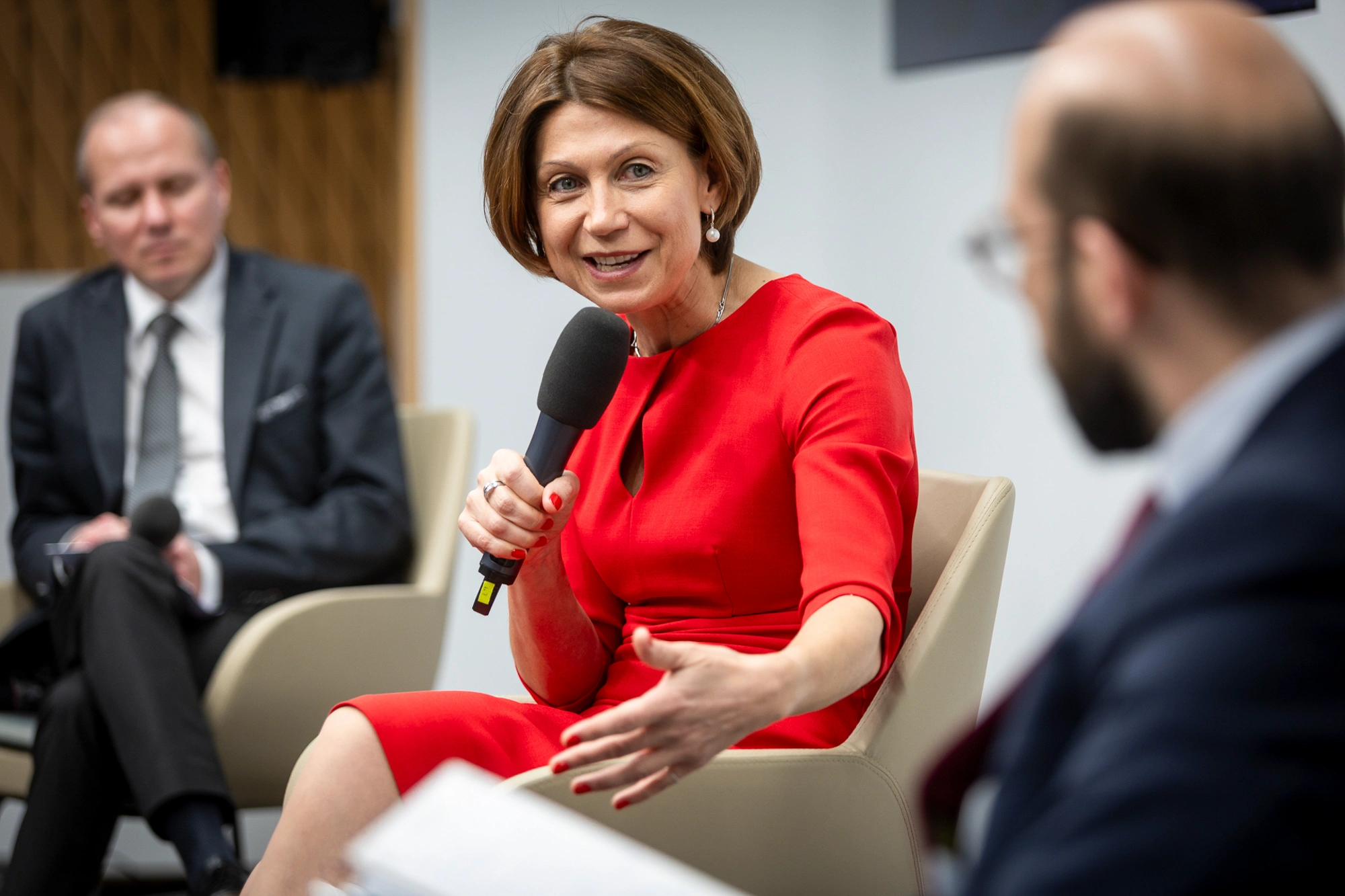
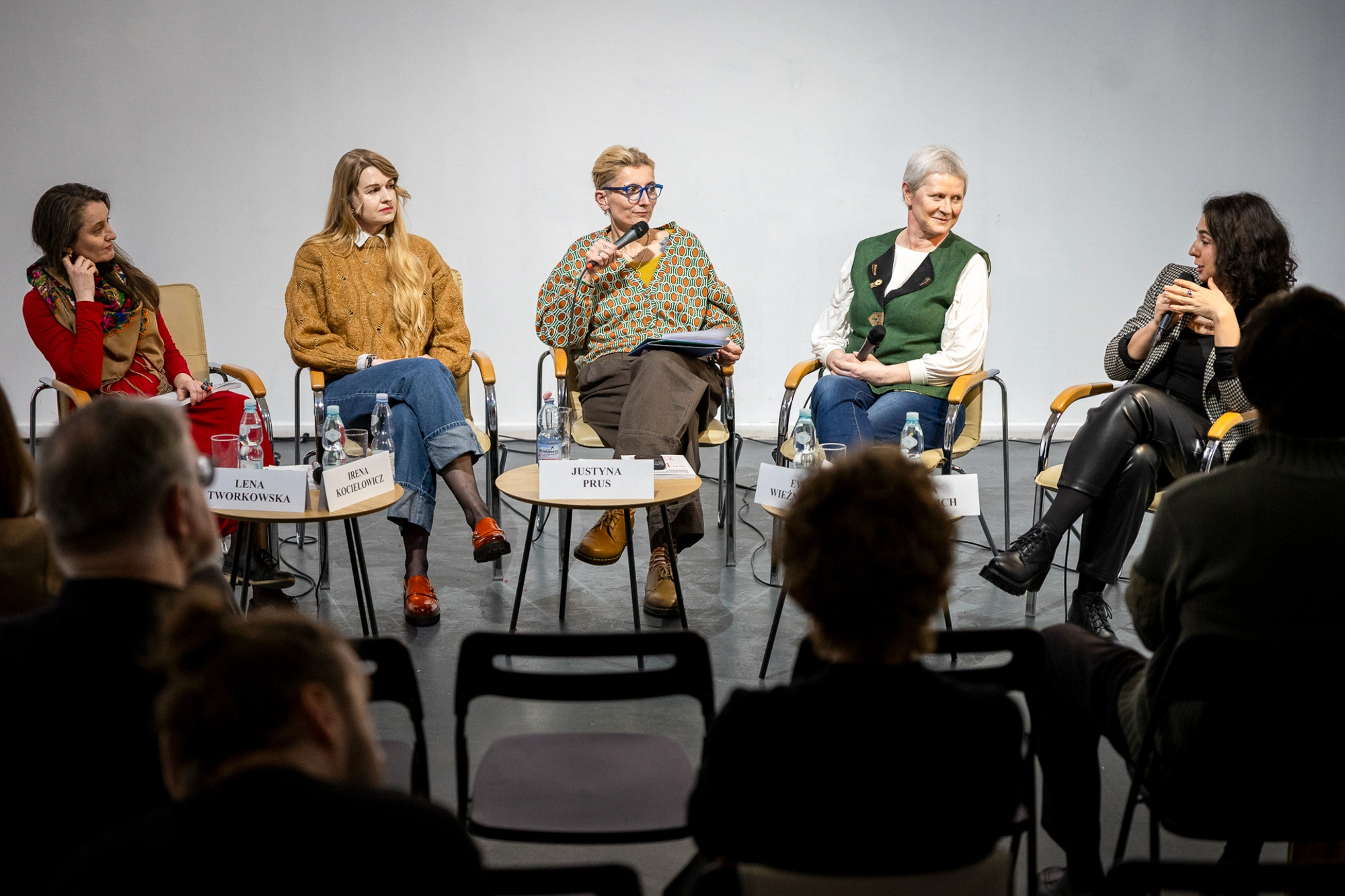
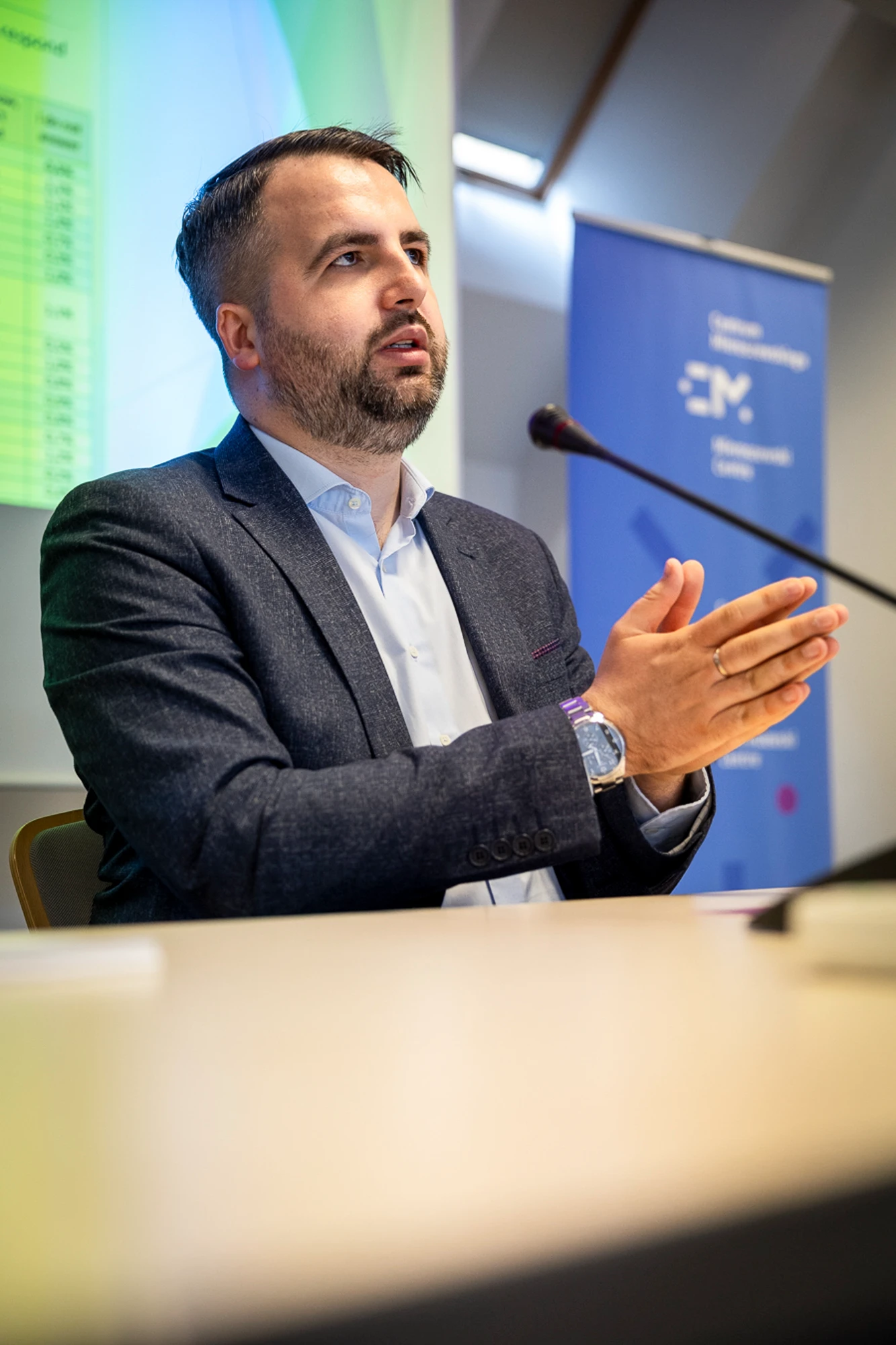
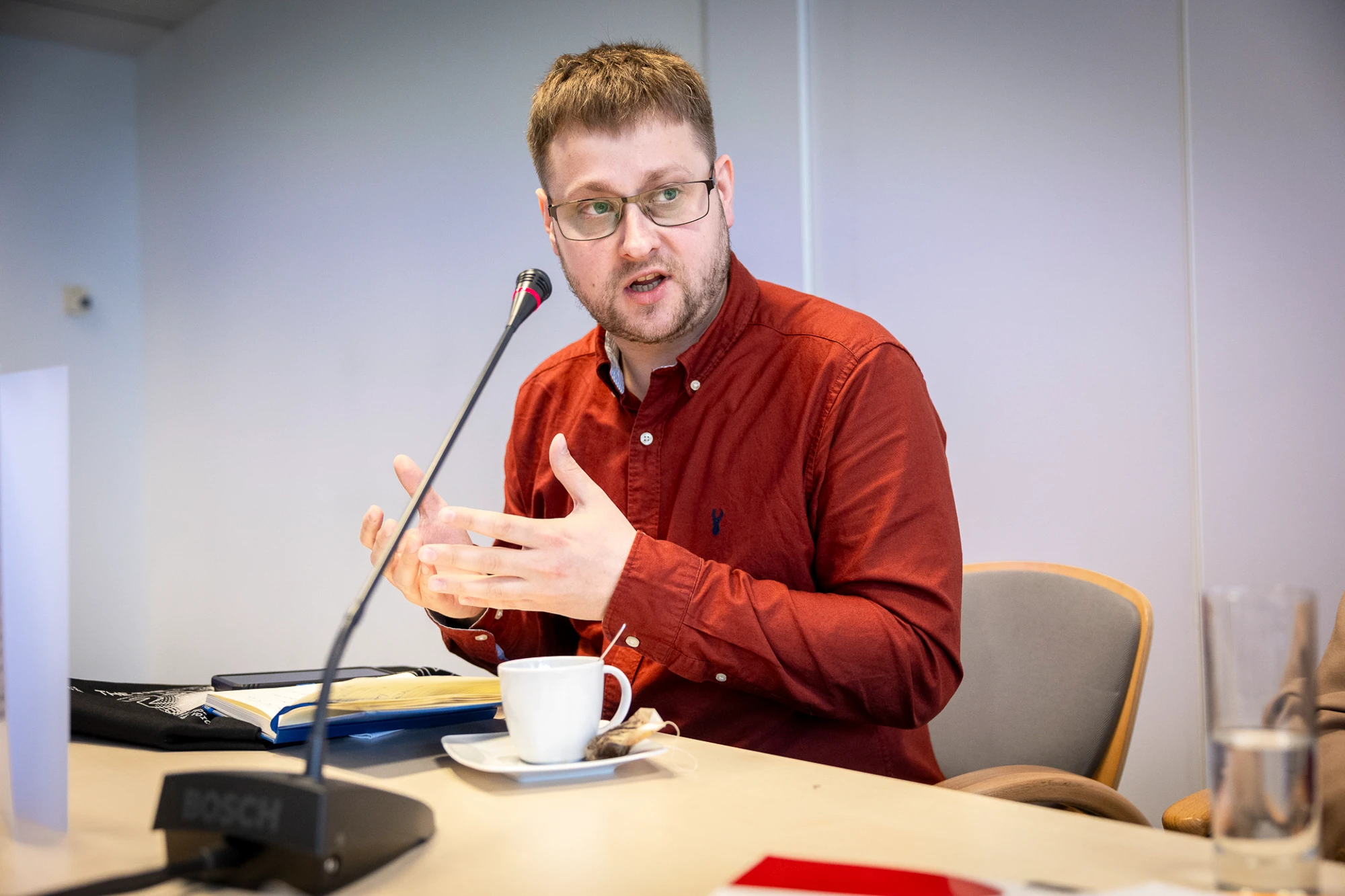
These were the central questions of the expert workshop organized as part of a joint project by the Mieroszewski Centre and Civic Platform for Democracy and Peacebuilding, dedicated to examining Russian hybrid influence in areas that are fundamental to shaping social and political identity.
The discussion drew on the experiences of Ukraine, Georgia, Moldova, and Armenia—countries that have for years faced systemic pressure from the Russian Federation extending far beyond conventional foreign policy tools. Participants agreed that Russian influence cannot be reduced to disinformation campaigns or direct political pressure alone. Rather, it involves long-term efforts aimed at shaping public attitudes, influencing identity formation, and creating vulnerabilities that may later be exploited politically or even militarily.
One of the key conclusions of the discussion was the need to reconsider the use of the term soft power in relation to Russian activities. In its classical understanding, soft power is based on attraction, trust-building, and the appeal of values and culture. In the Russian case, however, participants argued that similar channels are used for fundamentally different purposes: manipulation, social polarization, and the erosion of democratic resilience.
This was particularly evident in discussions on education and language. Experts from Georgia, Ukraine, and other countries in the region emphasized that education is not always a politically neutral sphere of international cooperation. Scholarship programmes, the promotion of the Russian language, academic partnerships, and the dissemination of specific historical narratives can function not only as tools of knowledge exchange, but also as long-term mechanisms for shaping political orientations and influencing future elites.
Religion also emerged as an important vector of influence. Participants noted that in some countries in the region, religious structures have become channels for transmitting political narratives and instruments in broader struggles over social influence, symbolic authority, and historical memory. At the same time, experts stressed that state responses in this domain require particular caution, as overly restrictive measures may reinforce siege narratives and deepen polarization.
The workshop also highlighted culture as a space of strategic competition rather than a neutral field of exchange. In the case of Ukraine, Russian cultural influence for decades functioned not merely as artistic presence, but as part of a broader political project aimed at weakening Ukrainian identity and reinforcing narratives that positioned Ukraine within a Russian-centred historical and geopolitical framework. While the mechanisms differ across countries, participants agreed that the strategic instrumentalisation of culture remains a common feature of Russian influence operations.
At the same time, experts underlined that the effectiveness of these mechanisms depends heavily on local political contexts, historical experiences, economic and energy dependencies, and societal susceptibility to specific narratives. There is no single universal model of Russian hybrid influence—and no single universal response.
A central question of the broader project is whether the lessons learned by Eastern Partnership countries can be meaningfully applied to the European Union. Are European societies genuinely more resilient to similar forms of influence? Or does this assumption rest on the mistaken belief that language, education, culture, and religion remain politically neutral spheres?
Throughout the discussions, participants repeatedly stressed that effective responses cannot rely solely on defensive measures or restrictive policies. Equally important is the development of positive alternatives: strengthening domestic cultural institutions, investing in education, supporting national languages, and building compelling narratives rooted in democratic values.
The workshop forms part of a broader research initiative that will culminate in a report offering a comparative assessment of Russian hybrid influence mechanisms in Georgia, Ukraine, Moldova, and Armenia, an evaluation of selected countermeasures, and policy recommendations for Poland and European Union member states.