

On the history of disinformation surrounding the Katyn massacre cover-up
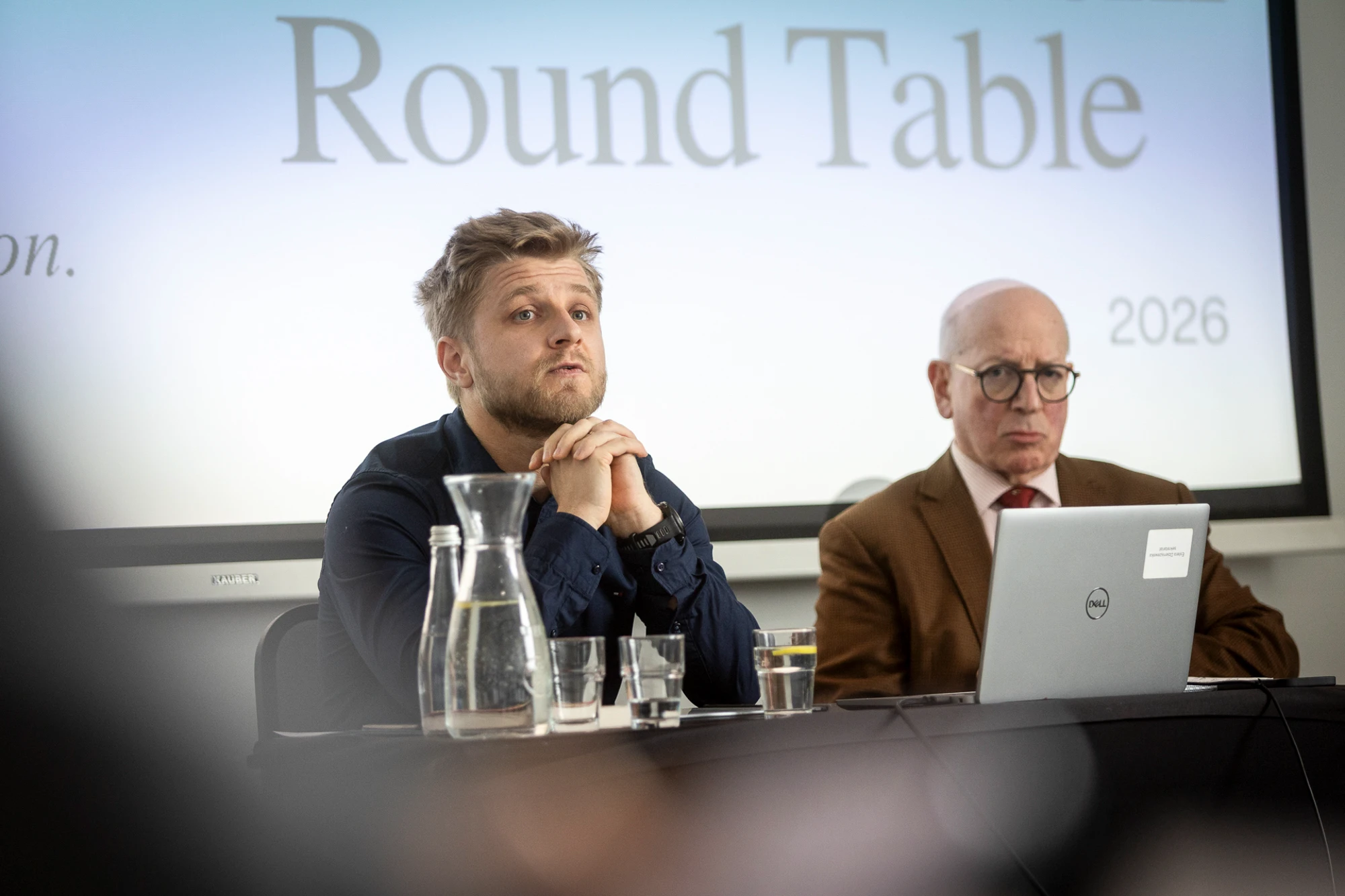
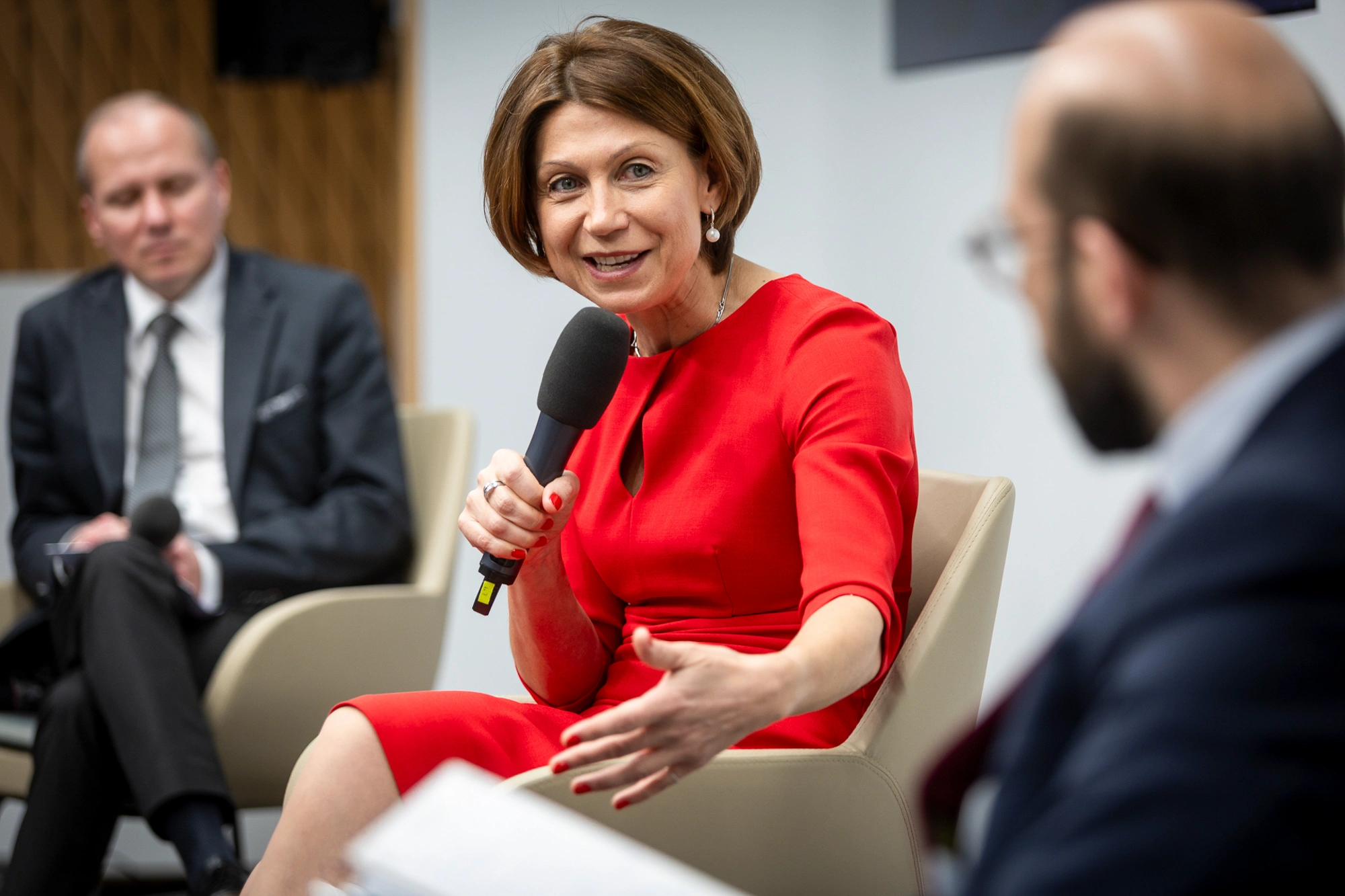
On 13 April, the Katyn Victims Remembrance Day, a symposium dedicated to the mechanisms of historical disinformation took place, with particular focus on the Katyn massacre cover-up. The event brought together experts and researchers working on history, memory politics, and contemporary information operations.
History has always been a tool of influence—used to construct political narratives, justify decisions, and shape public opinion. As the participants emphasized, these mechanisms have not disappeared; on the contrary, today we observe their new forms, often based on patterns known from the 20th century.
One of the key highlights of the programme was a presentation by Dr Maciej Wyrwa of the Mieroszewski Centre, who described the Katyn massacre as a model example of a contemporary disinformation operation. In his lecture, he stressed that Katyn is not only a tragic event of the past, but also an element of the active historical policy of present-day Russia.
As the speaker pointed out, current disinformation activities surrounding Katyn go far beyond the classic “Katyn lie.” They include both the denial of Soviet responsibility and more subtle mechanisms aimed at relativising the crime.
Dr Wyrwa underlined that the goal of these actions is no longer to convince audiences of a single alternative version of events, but rather to create a sense of uncertainty—the belief that “the truth cannot be established” and that responsibility remains ambiguous.
He also devoted particular attention to practices of interference in the space of memory—from questioning established historical findings, through changes in the symbolism of memorial sites, to physical actions targeting commemorations. As he noted, disinformation ceases to be merely a narrative—it moves into the realm of tangible actions and public space.
The symposium also addressed the broader context of contemporary disinformation—its impact on democratic societies, decision-making processes, and the ability to recognise information threats. Panel discussions highlighted that such operations are long-term, multi-layered, and often directed at both domestic and international audiences.
The symposium was co-organised by institutions that have long studied disinformation in historical contexts: the Pilecki Institute, the Mieroszewski Centre, the Auschwitz-Birkenau State Museum, the Museum of Polish History, and the Centre for Eastern Studies.
The event provided a space for the exchange of knowledge and experience, as well as a starting point for further reflection on how to effectively counter historical manipulation and strengthen societal resilience to disinformation.
We invite you to watch the live stream of the event on YouTube.