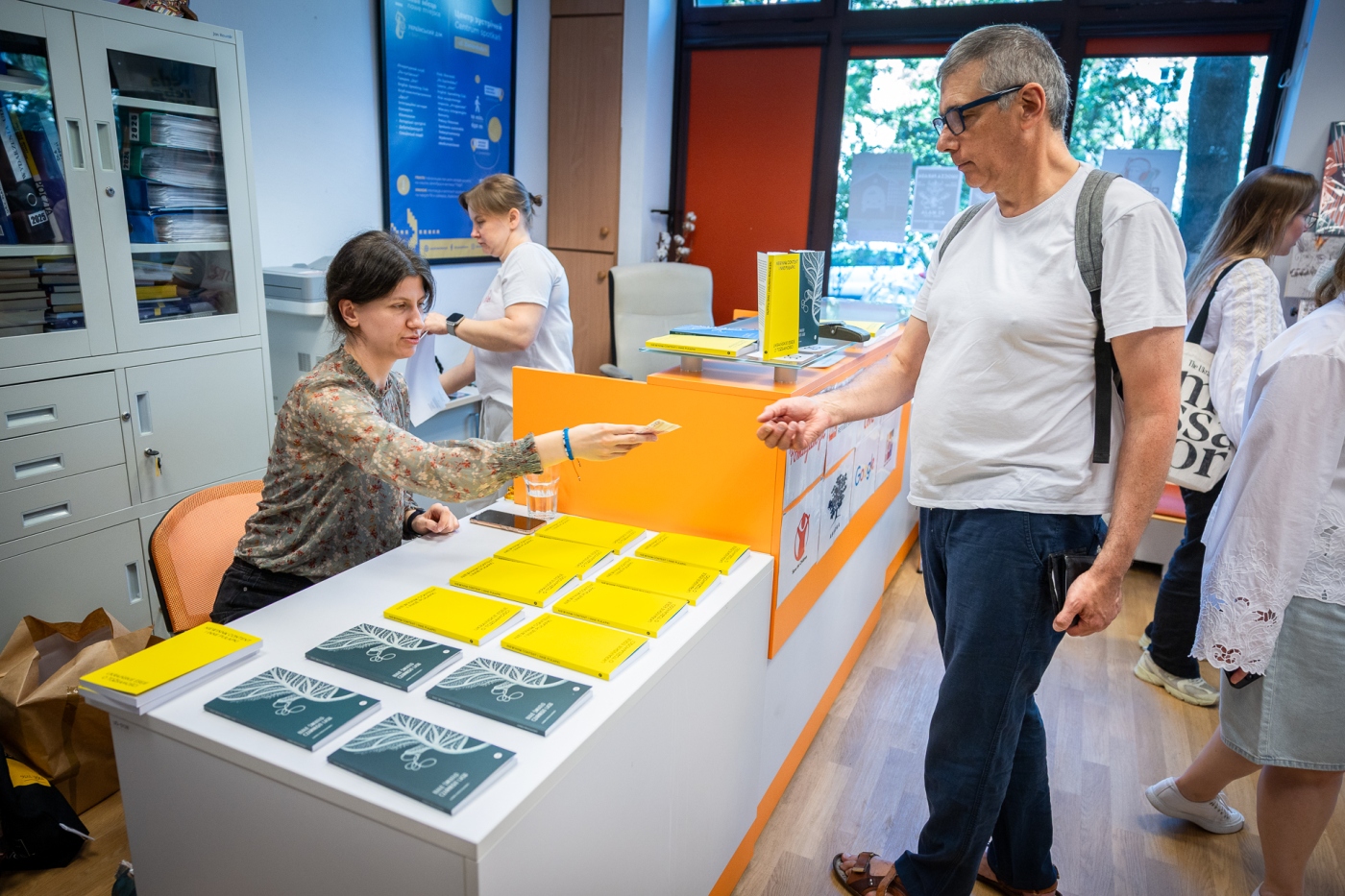
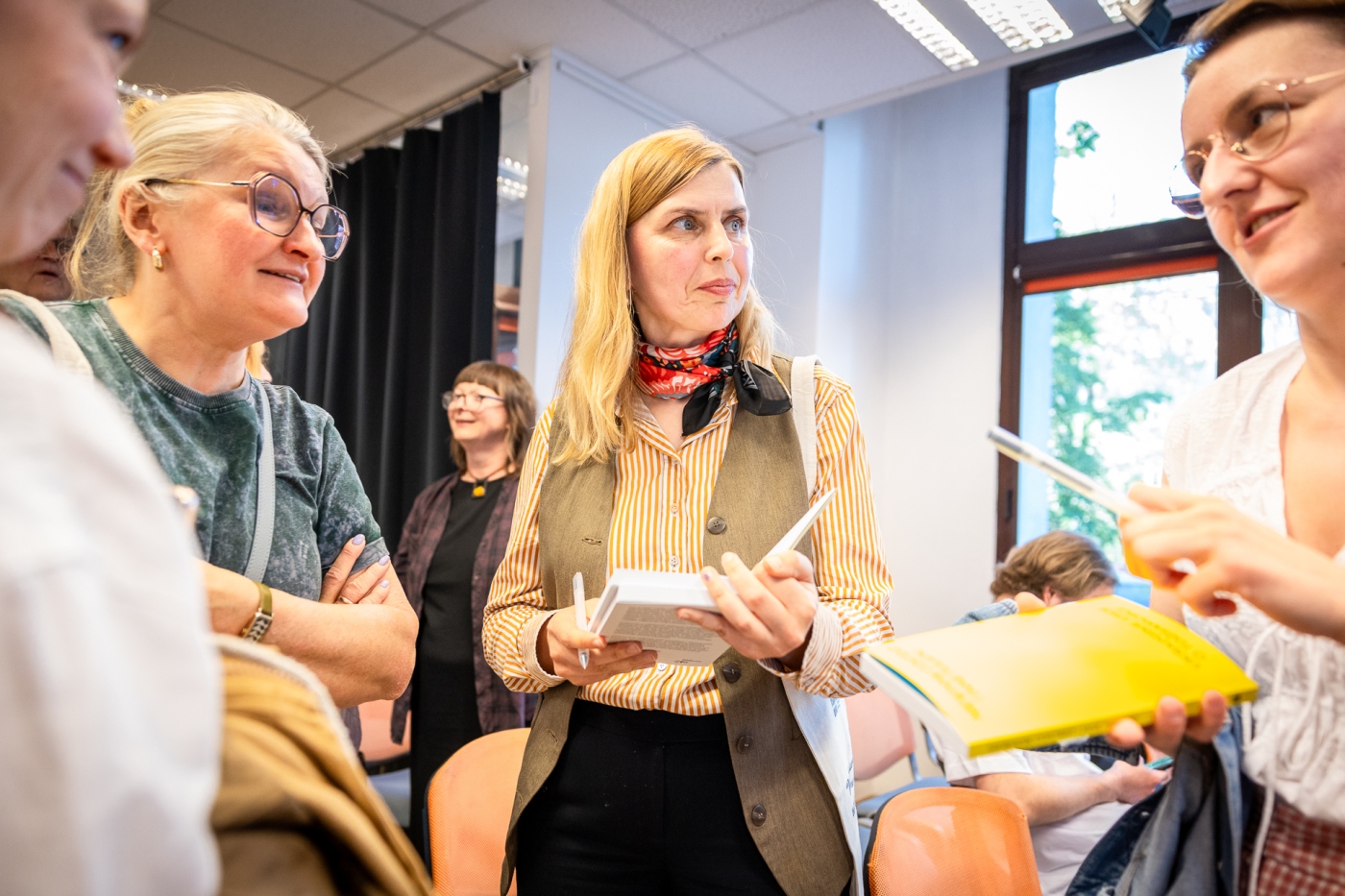
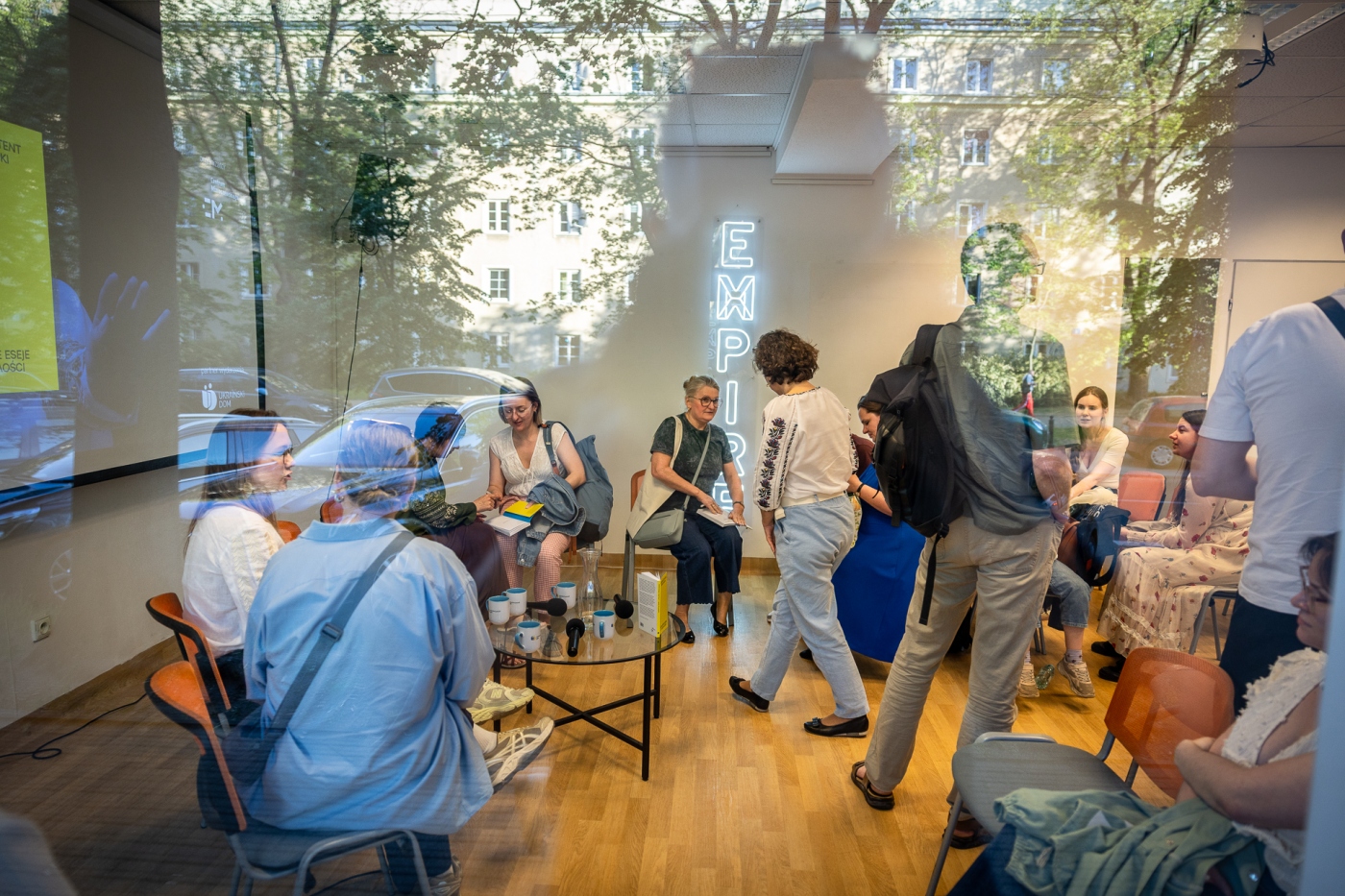
Book launch of “Innocent content and other traps”. Events in Kraków and Warsaw
How is contemporary Ukrainian culture reinterpreting its own history, memory, and identity in the aftermath of the Soviet era and the experience of war?
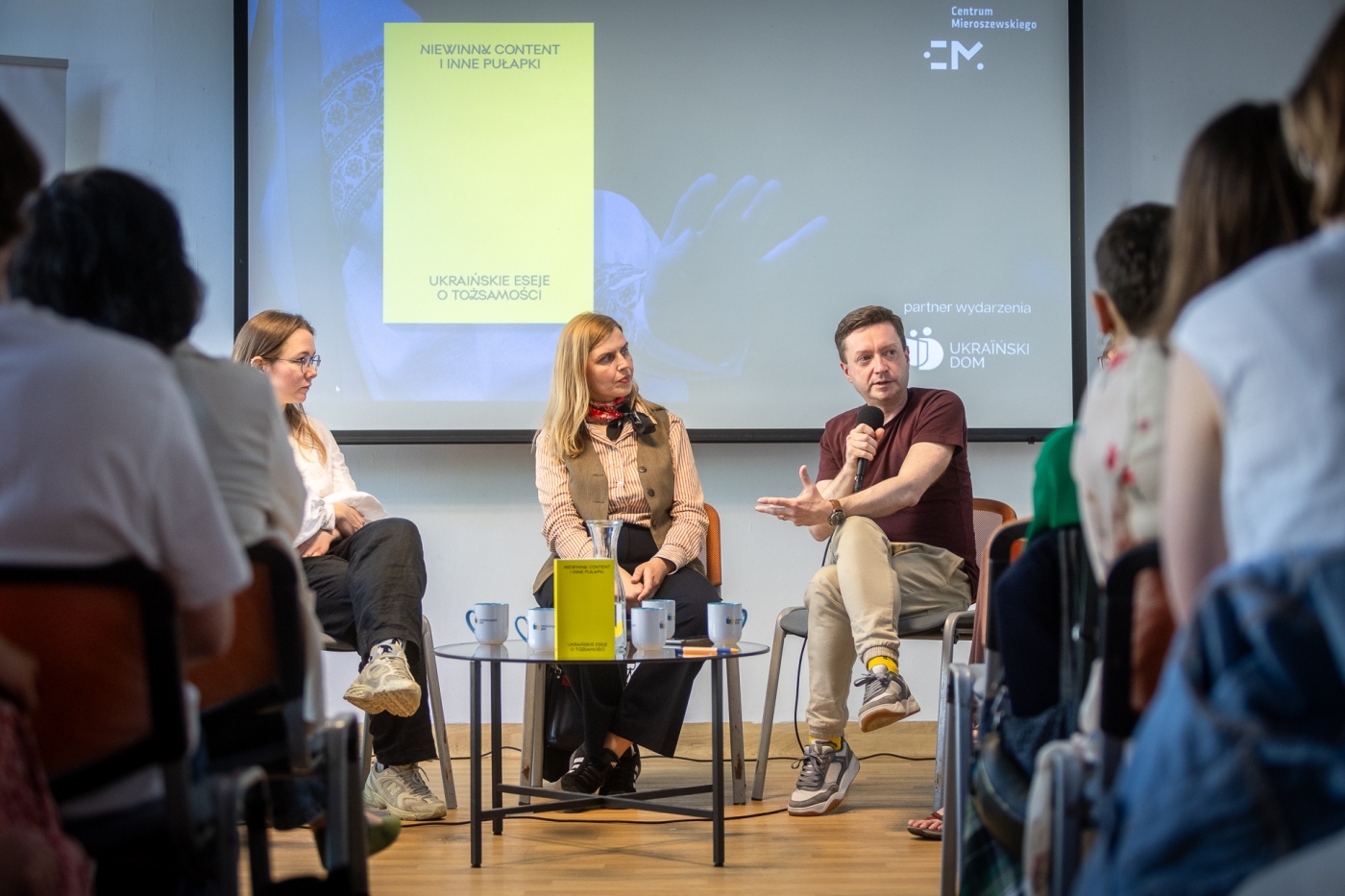
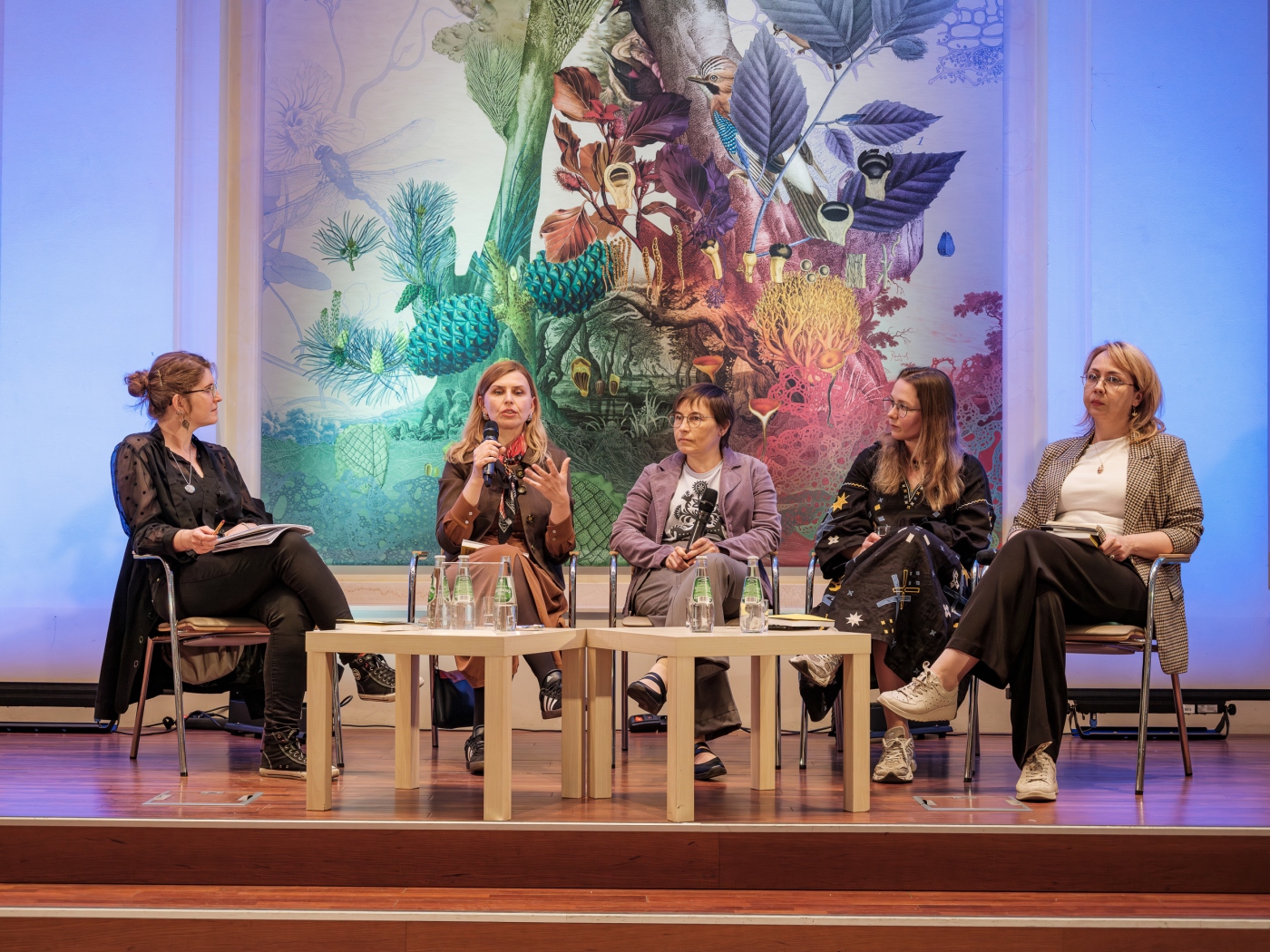
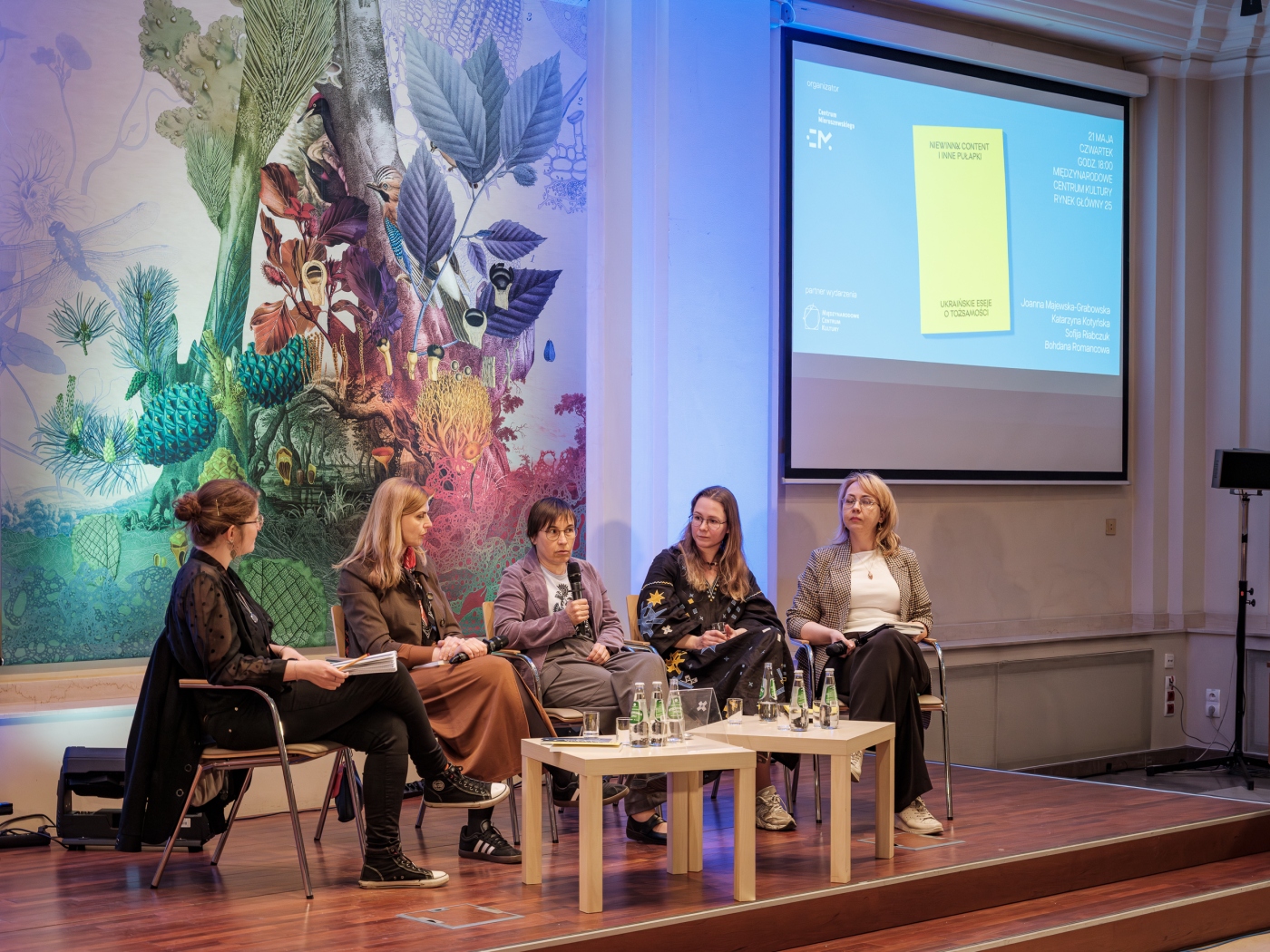
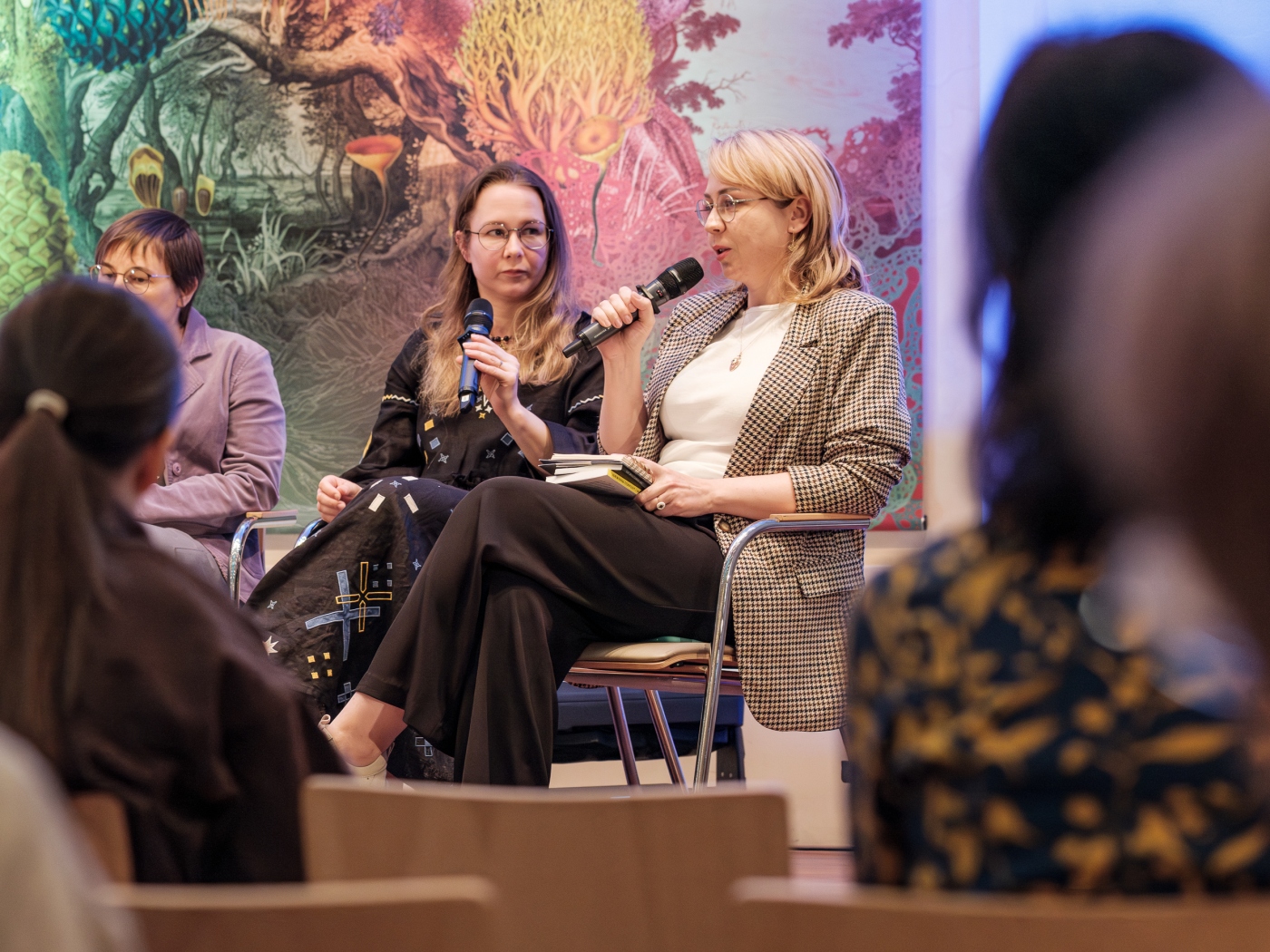
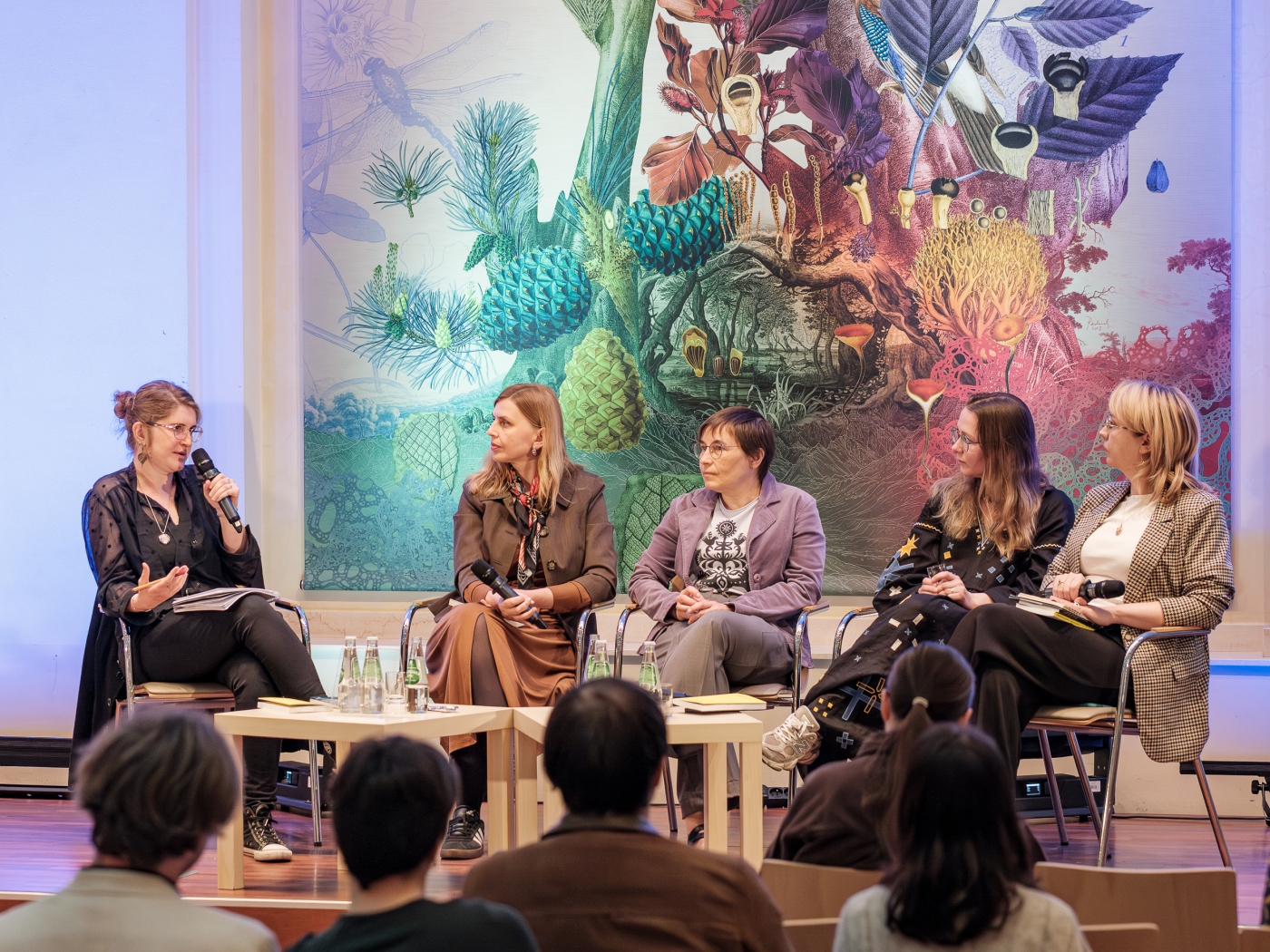
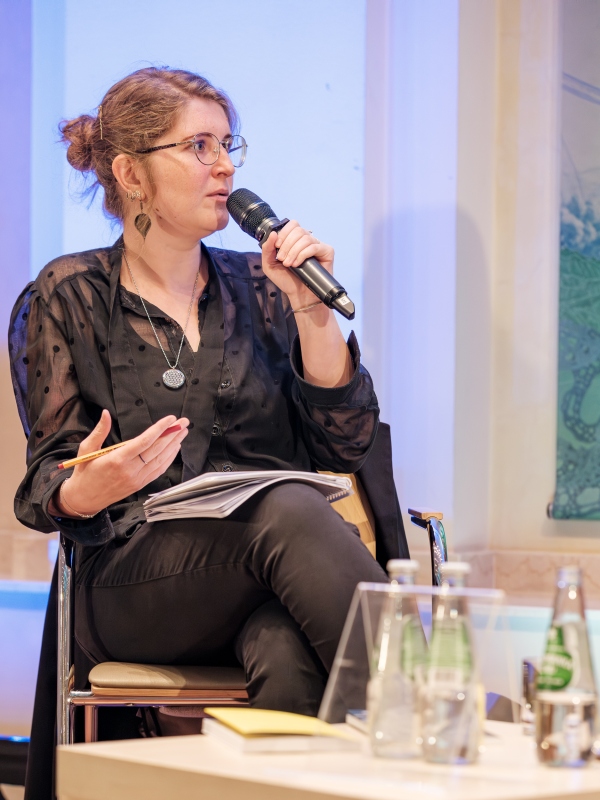
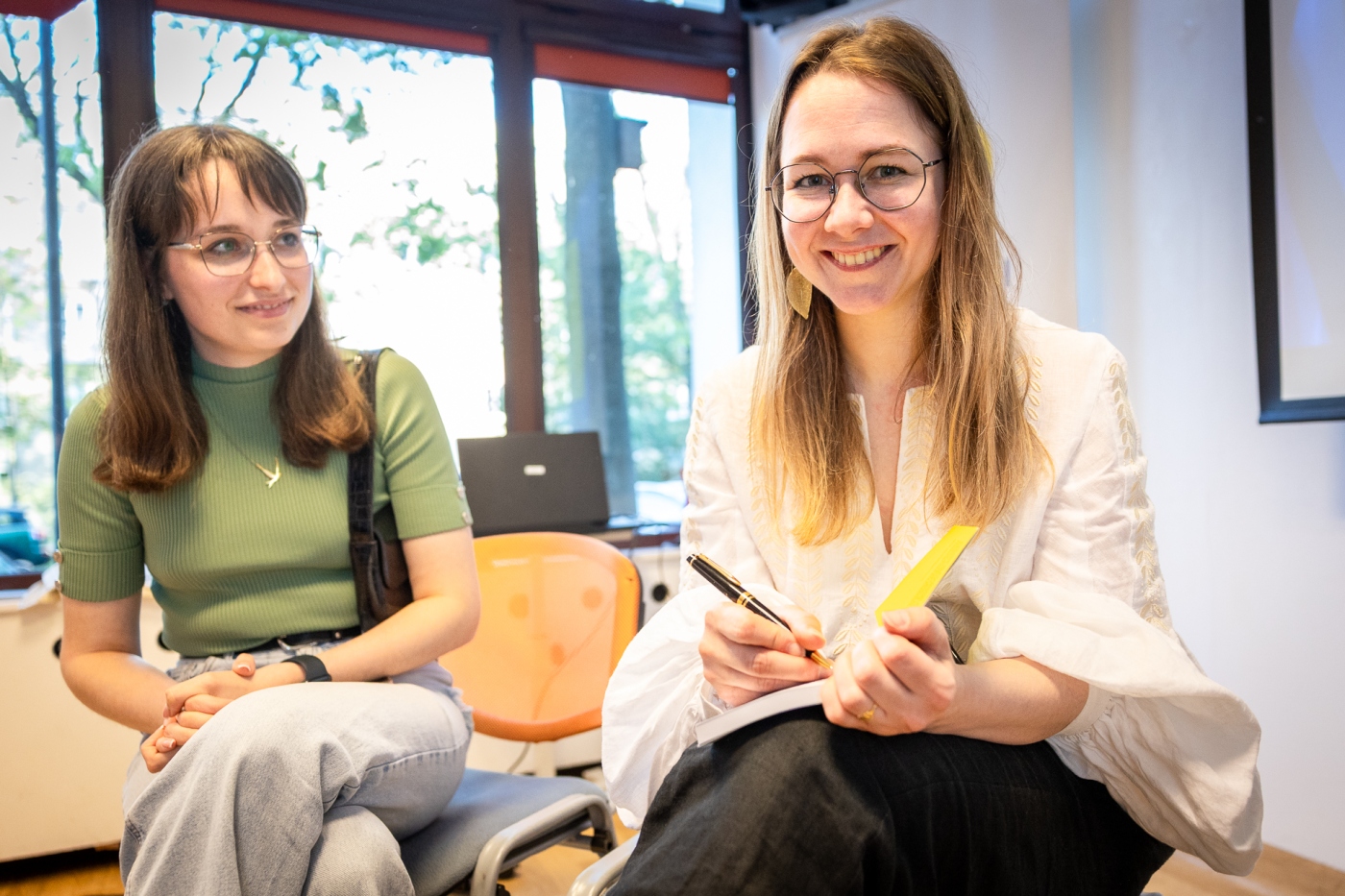
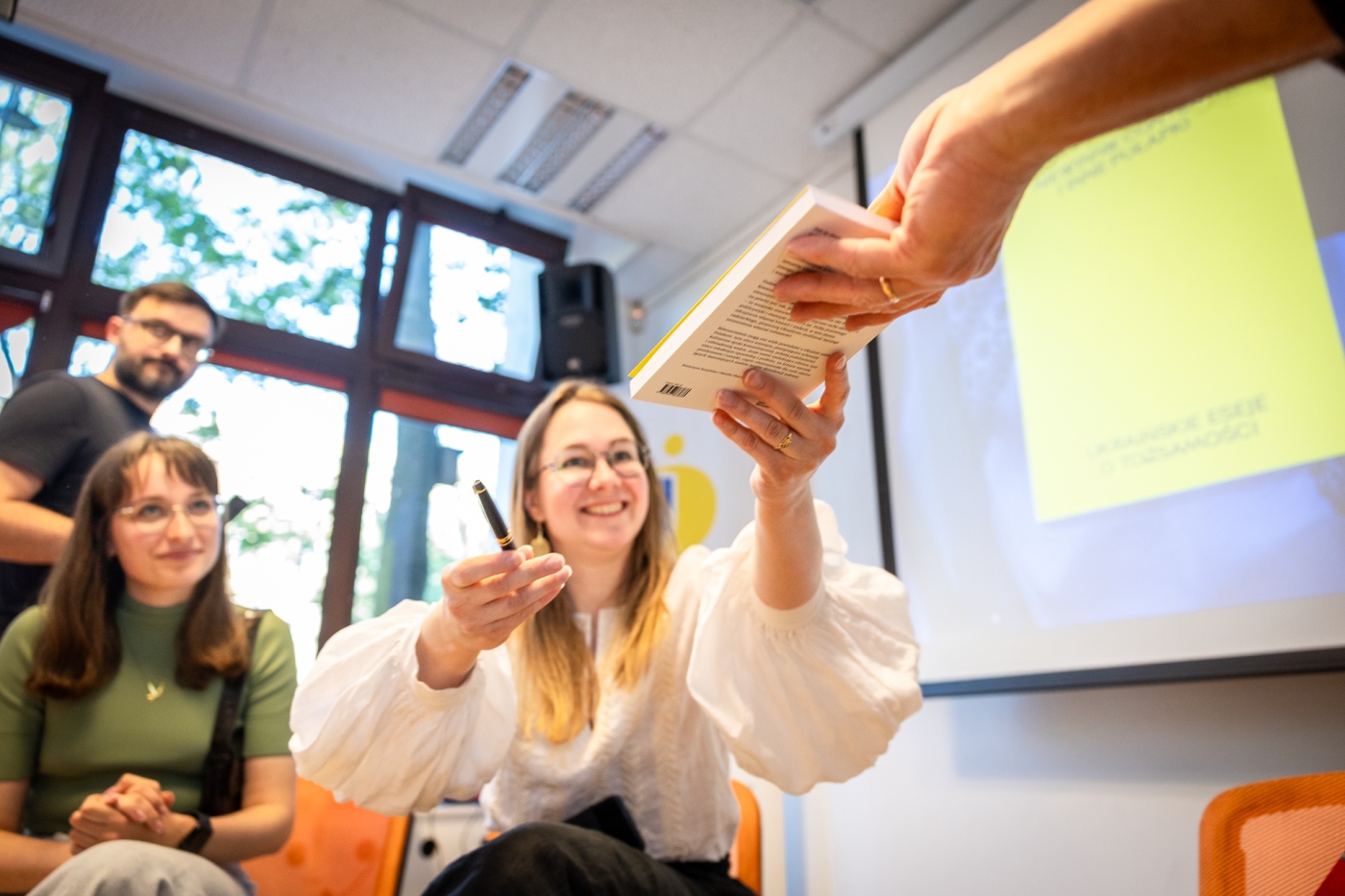
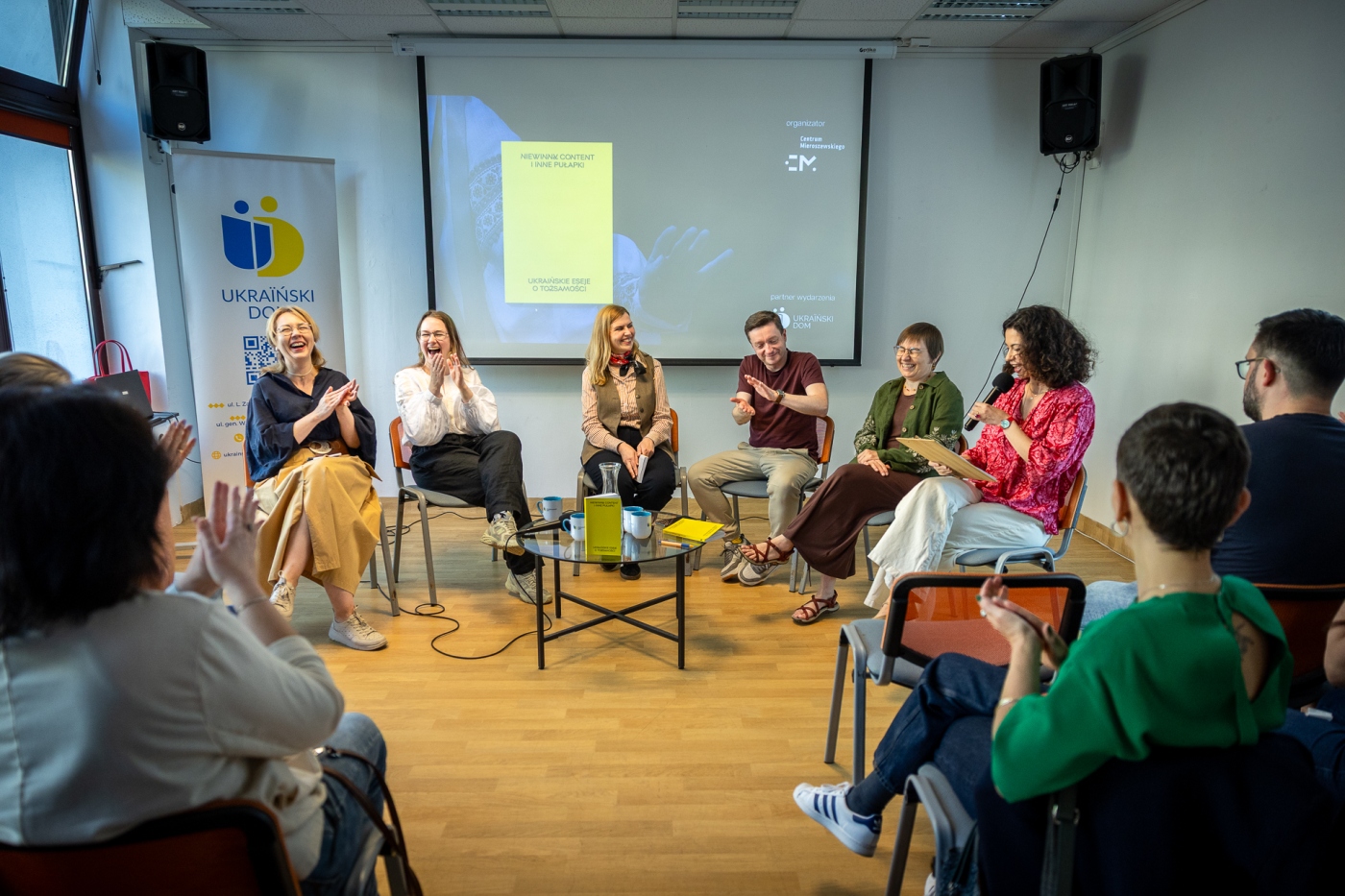
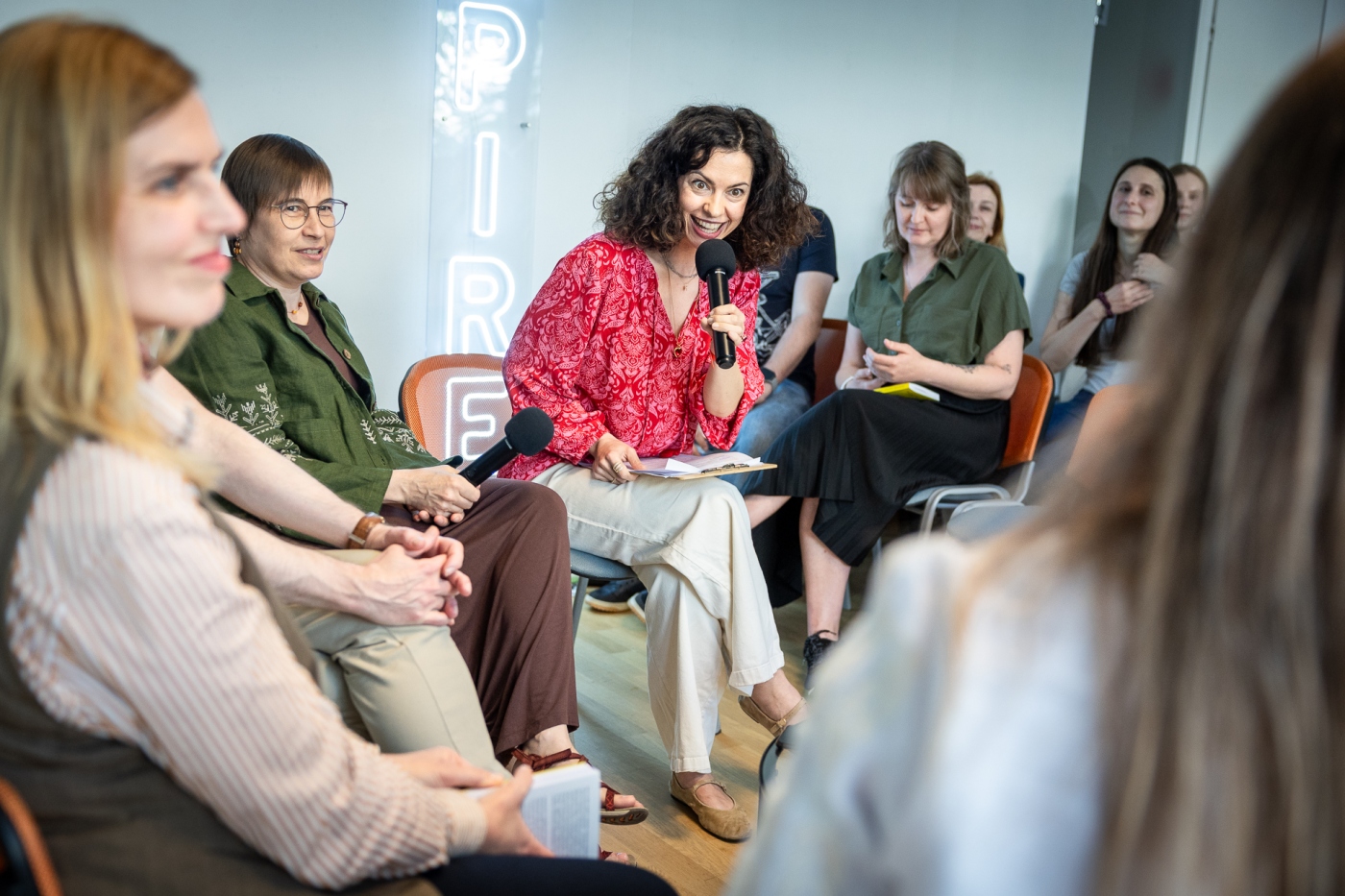
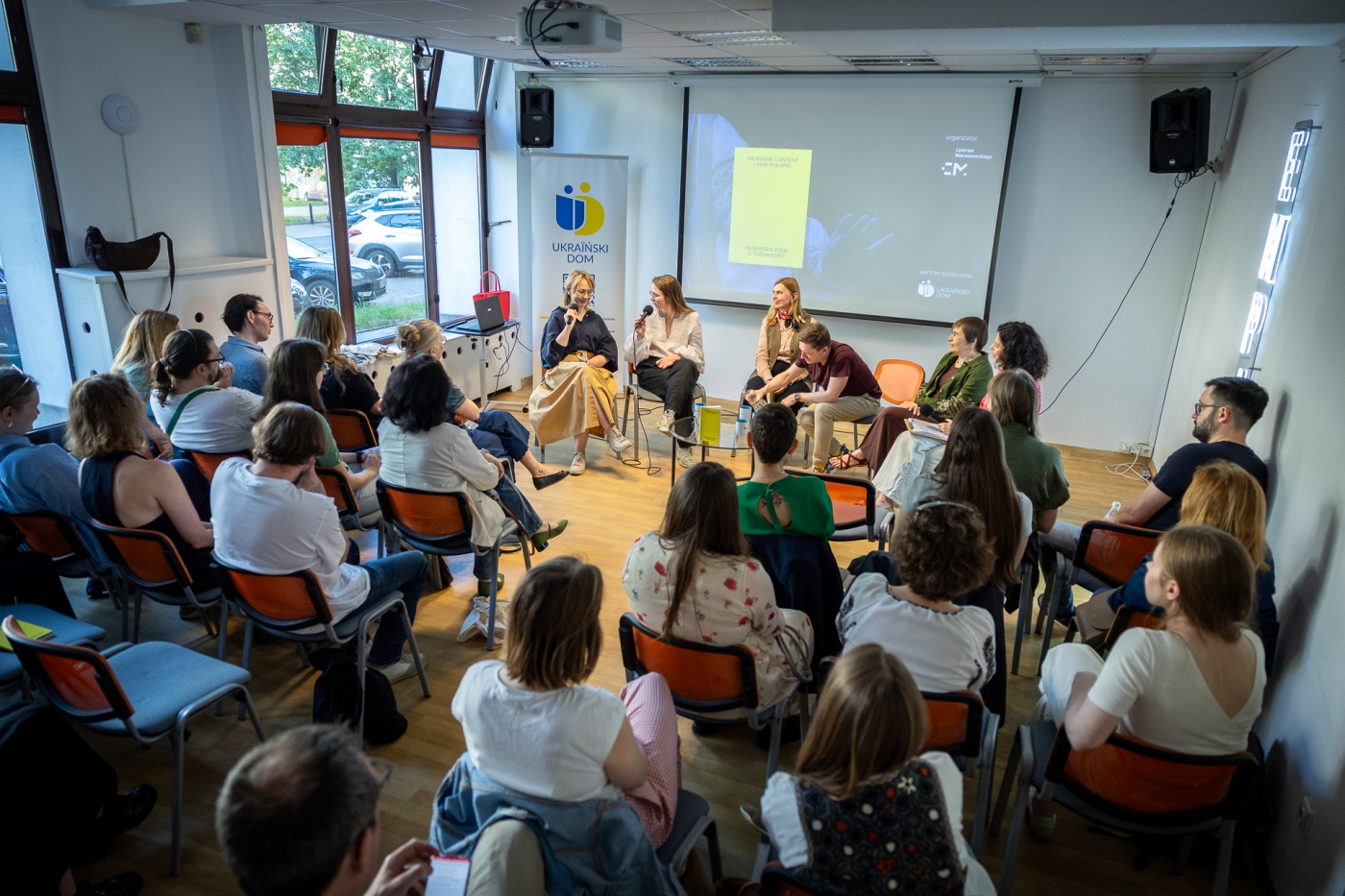
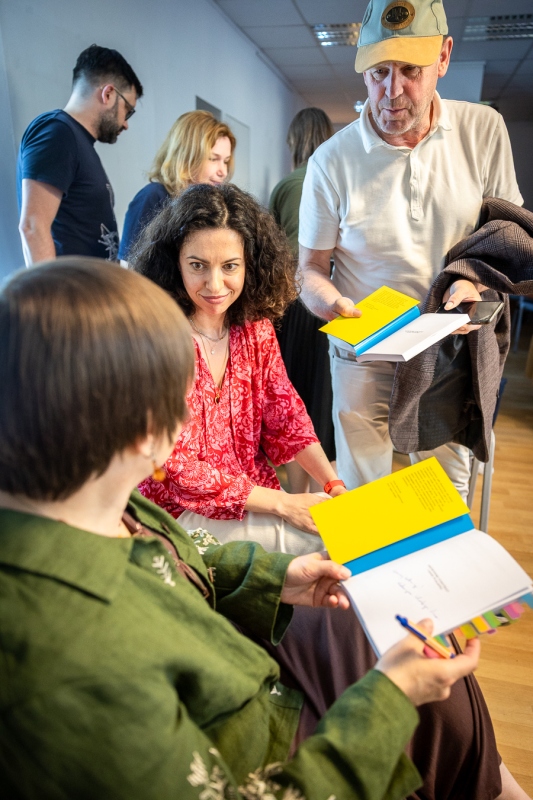
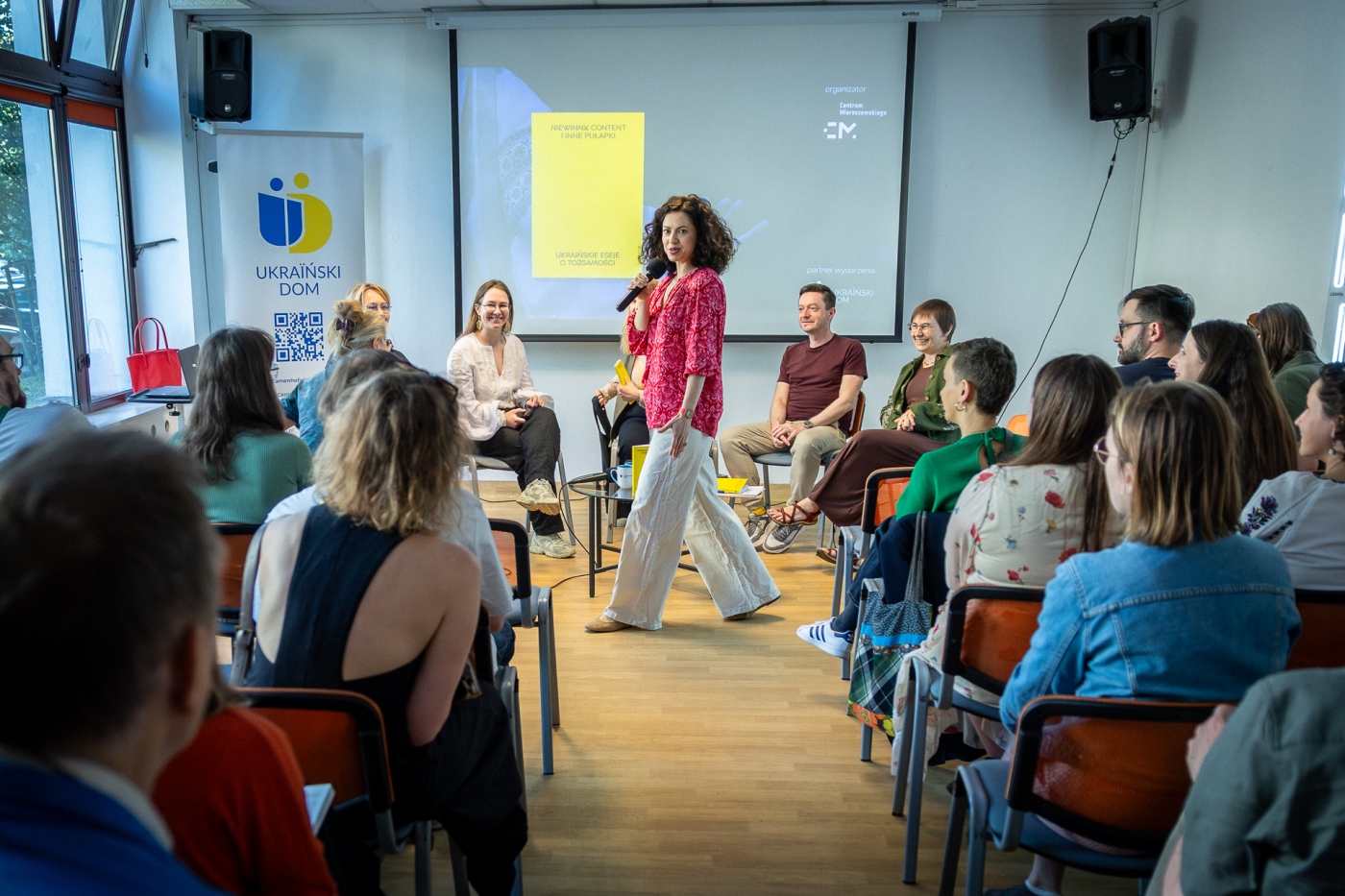
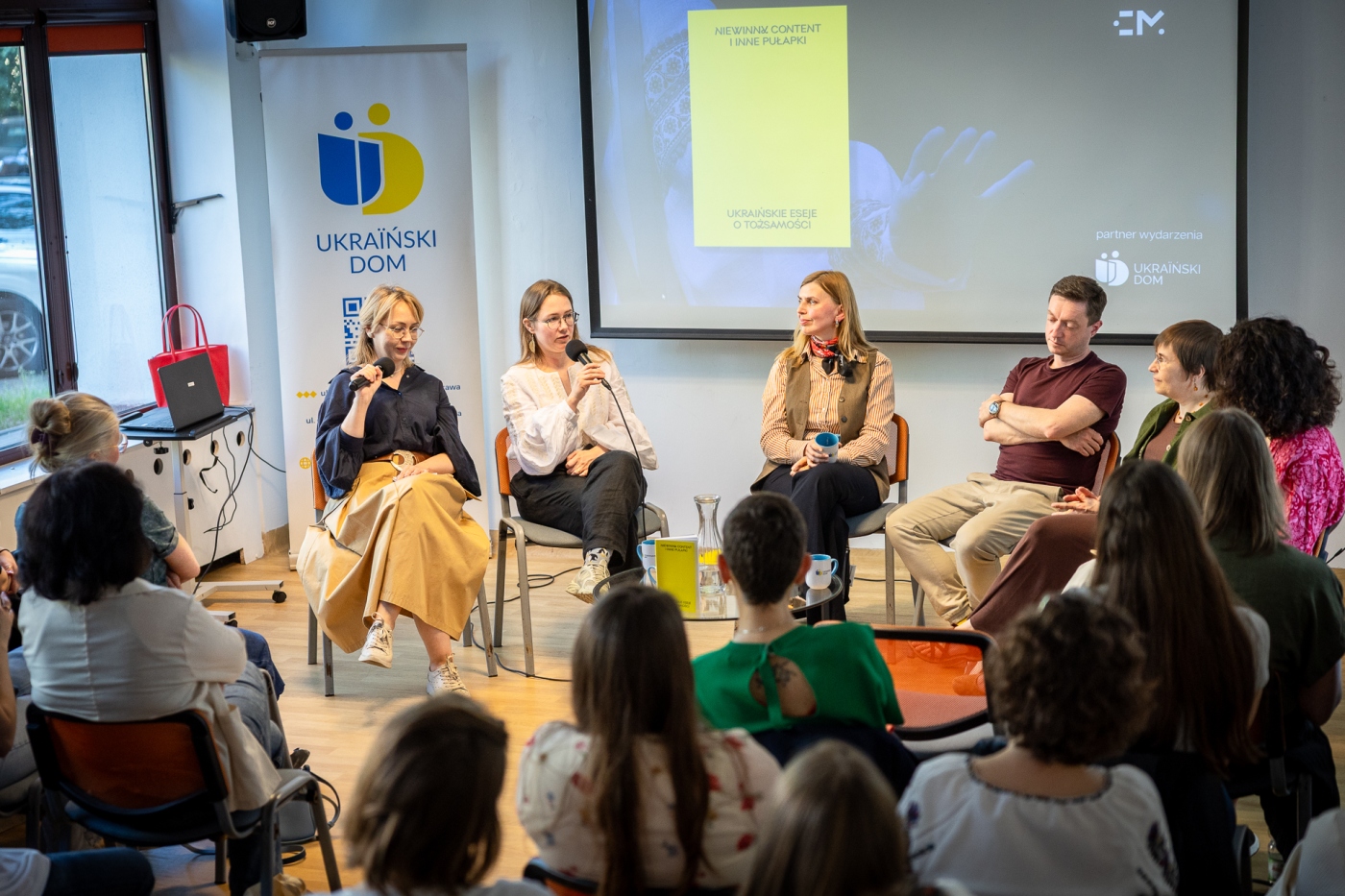
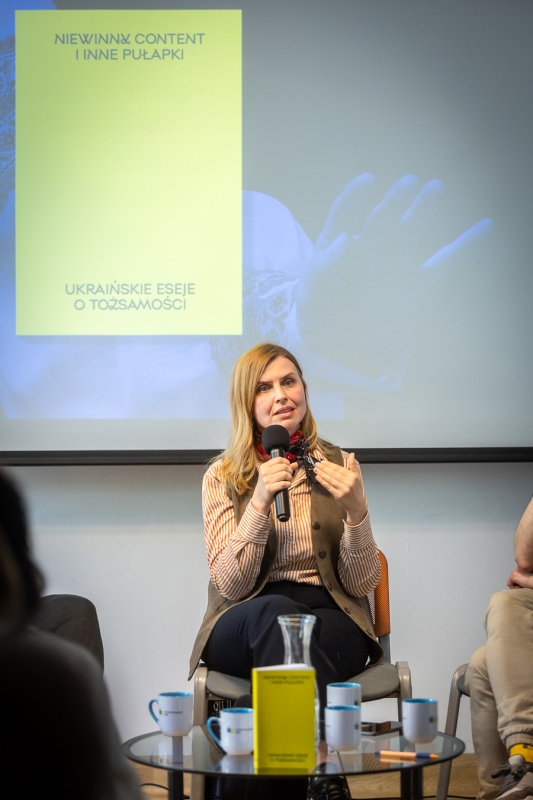
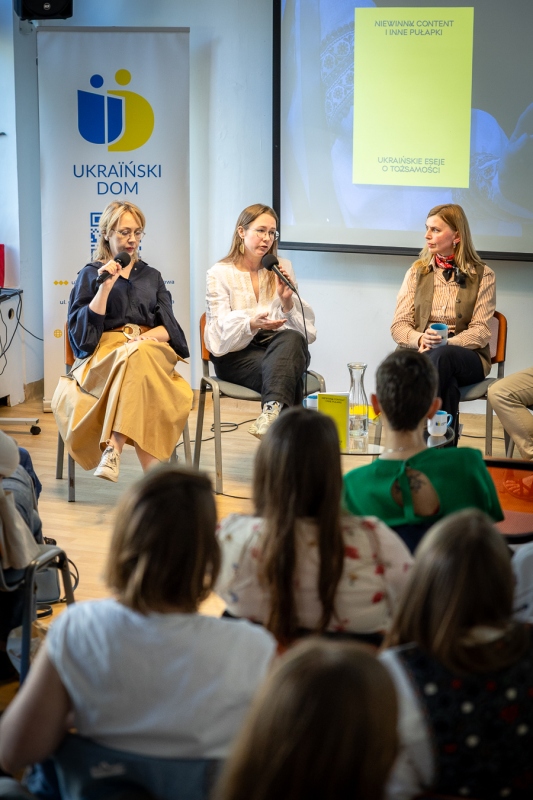
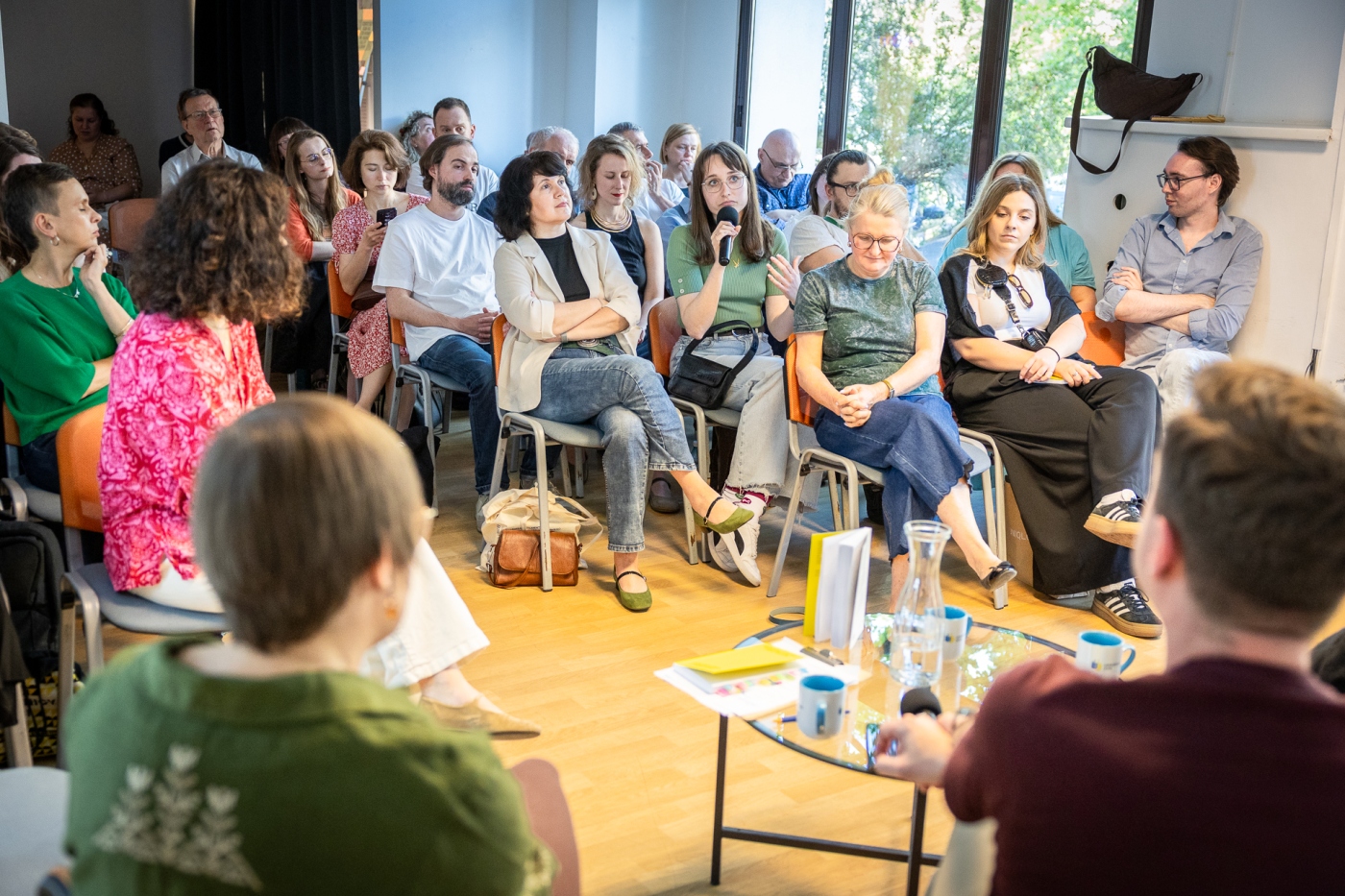
These were the questions at the heart of the launch events for 'Innocent content and other traps: Ukrainian essays on identity', which took place in Kraków and Warsaw. The discussions were moderated by Joanna Majewska-Grabowska and Sasha Iwaniuk.
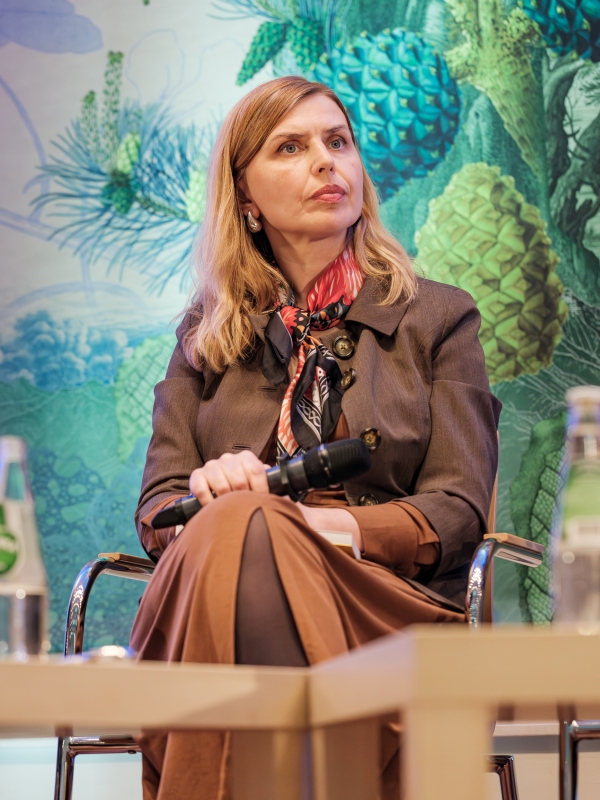
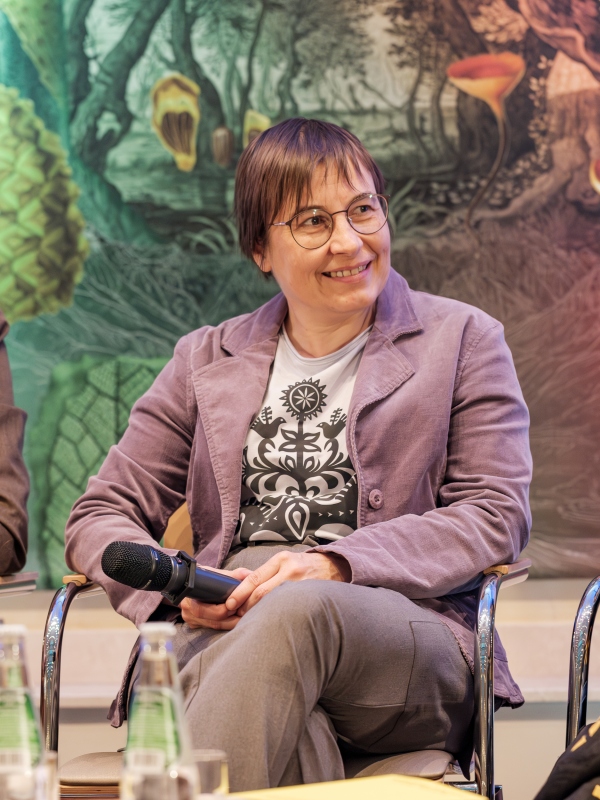
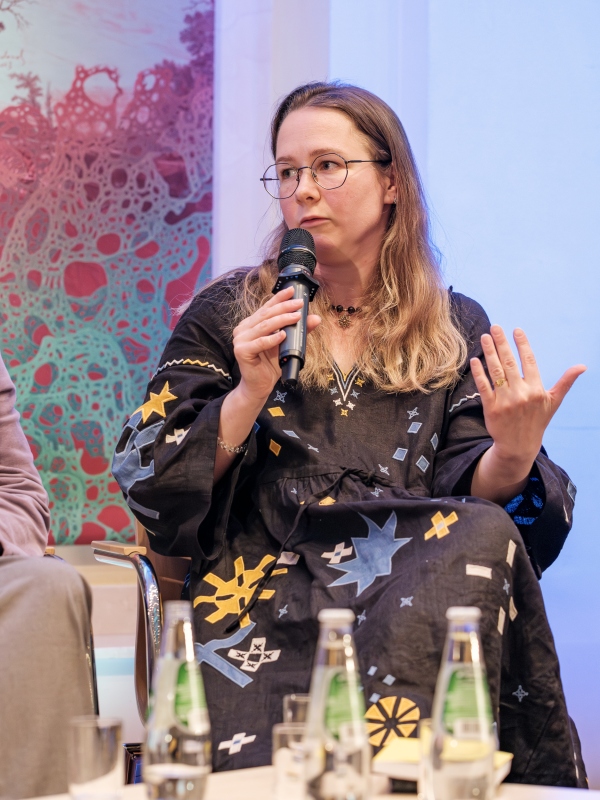
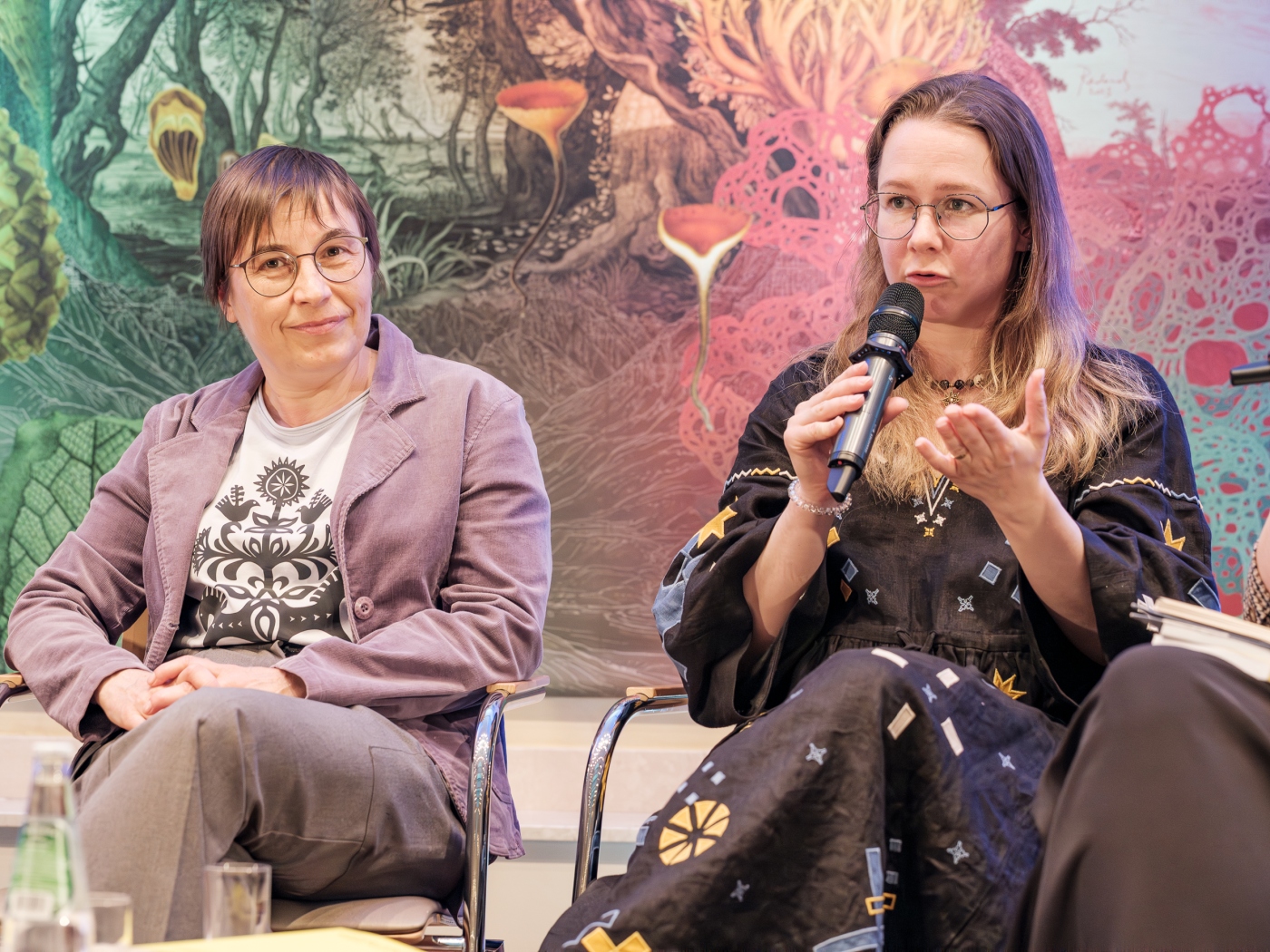
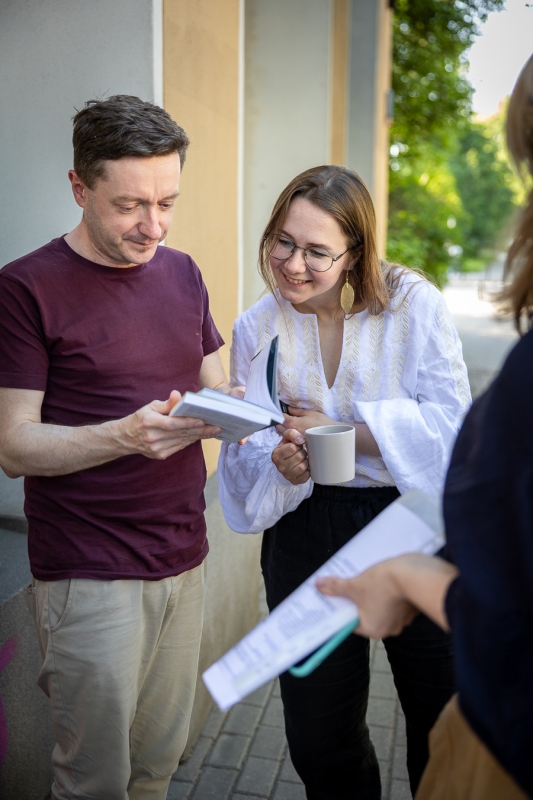
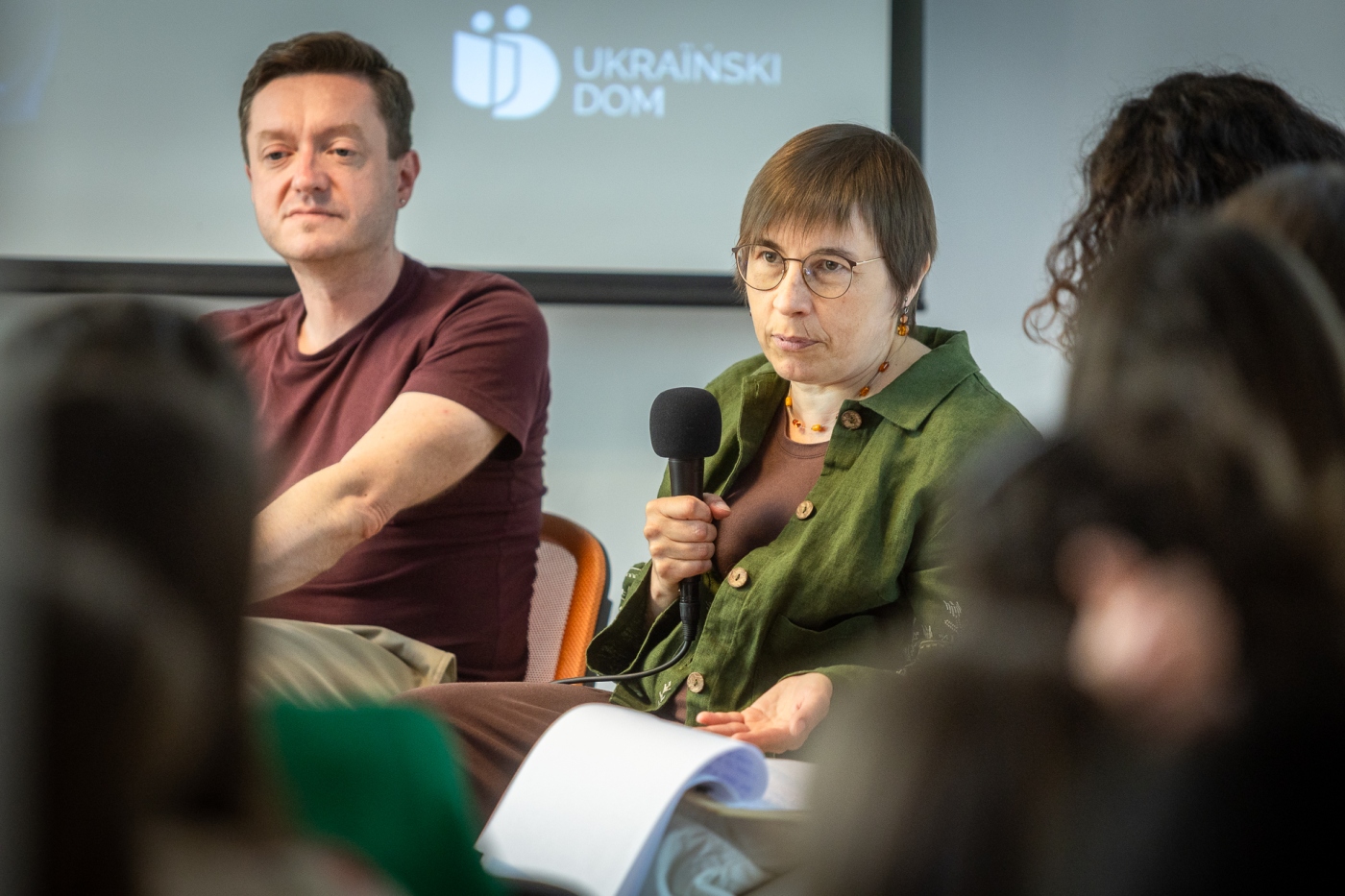
The conversations featured Katarzyna Kotyńska, Bohdana Romantsova, Sofiia Riabchuk, and Ostap Slyvynsky, and highlighted just how multidimensional and dynamic contemporary Ukrainian identity is. It is not something fixed or definitively settled, but rather a living process, constantly shaped through language, culture, literature, memory, and everyday choices.
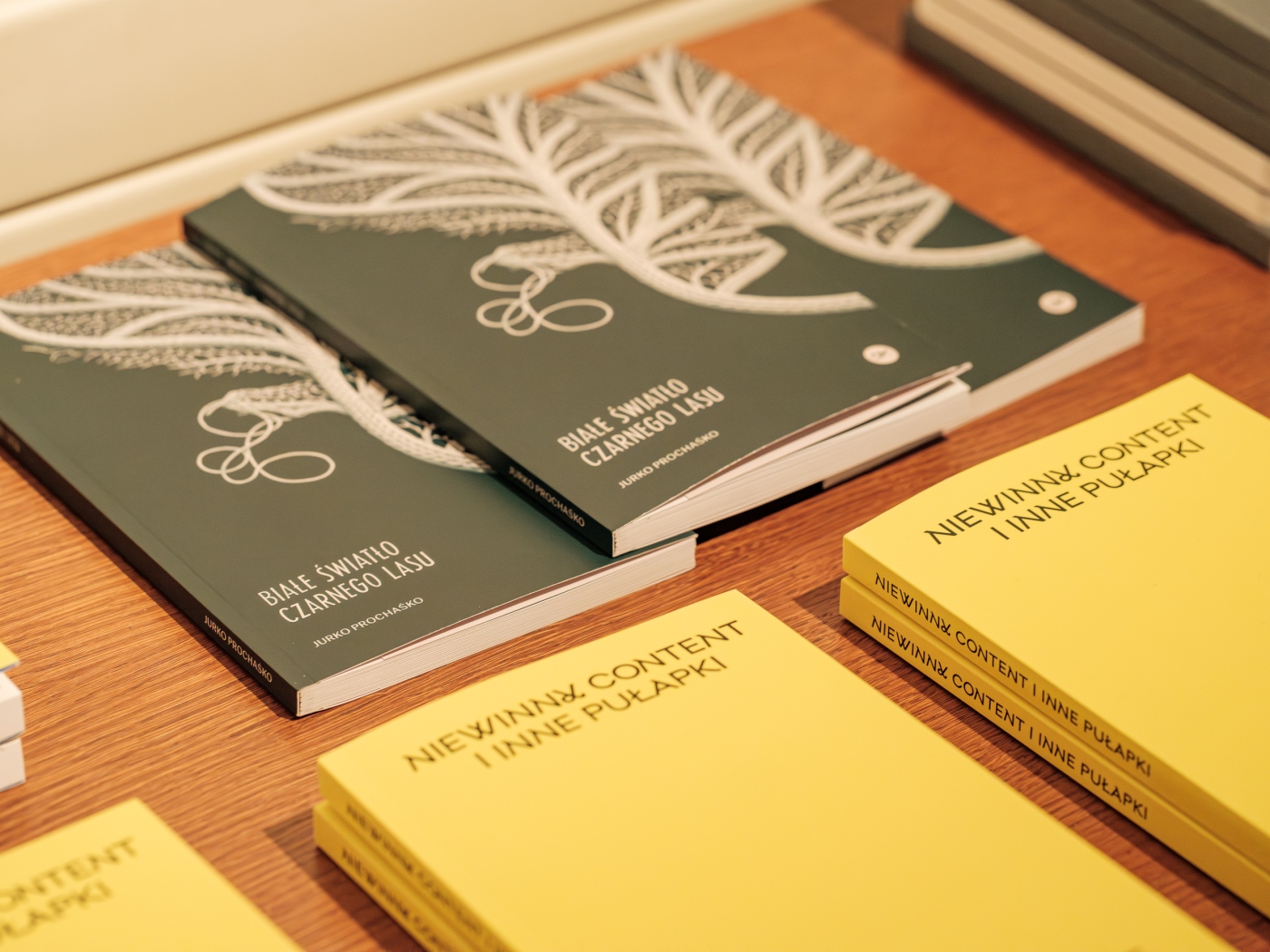
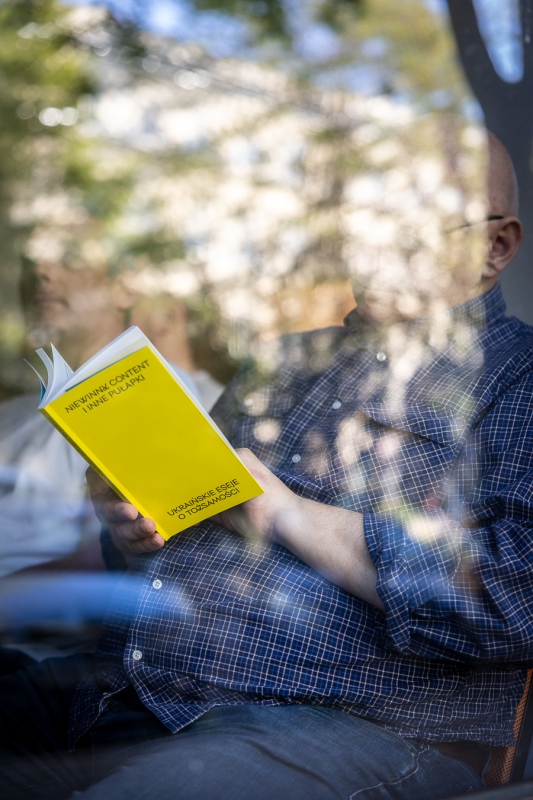
The starting point for both discussions was the book itself — a collection of essays by contemporary Ukrainian authors reflecting on their own culture through the lenses of war, decolonisation, and the redefinition of community. As Katarzyna Kotyńska noted, these are not simply essays about Ukrainian identity, but rather Ukrainian essays on identity — texts rooted in a specific historical and cultural experience, yet raising universal questions.
A recurring theme throughout the discussions was decolonisation. Sofiia Riabchuk emphasised that it involves both the removal of imperial symbols from public space and the broader process of reclaiming one’s own perspective and language for telling history and culture. The conversation touched on museums, architecture, literature, language, and popular culture, as well as the ways in which contemporary Ukraine is reinterpreting its own past.
Language also emerged as a key topic. As the participants observed, contemporary Ukraine cannot be reduced to simple binaries, but the direction of change is clear: Ukrainian has become the language of aspiration, community, and public life, while Russian has lost its former status as the language of prestige and success.
Literature occupied a particularly important place in the discussion — especially poetry, which, as Ostap Slyvynsky described it, can act as a “sieve” through which experience is filtered, leaving behind what is most universal. In wartime, poetry has become both a form of immediate response and a way of building emotional community.
The speakers also reflected on how war has changed reading itself. Bohdana Romantsova pointed out that the Ukrainian book market has not only survived but continues to grow dynamically, with new publishers, literary debuts, and literature becoming an increasingly important way of articulating lived experience.
The launch events made it clear that 'Innocent content and other traps' does not offer simple answers — and that is precisely its strength. It is an invitation to think about Ukraine not as a projection of external assumptions, but as a society actively and intensively rearticulating itself.
The book was created as part of the Polish-Ukrainian Translation School Words to Words, a project of the Mieroszewski Centre dedicated to supporting young translators.
Sofiia Riabchuk is the coordinator of the Ukrainian programme in the Education Department of the National Museum in Warsaw. She previously worked with the National Art Museum of Ukraine and Mystetskyi Arsenal. She is the author of texts and cultural projects focused on museum education and culture.
Bohdana Romantsova is an editor, literary critic, and essayist. She teaches literary courses, collaborates with Ukrainian educational platforms and the Polish magazine Dwutygodnik, and has published texts in volumes including Dictionary of War and War 2022.
Ostap Slyvynsky is a poet, translator, essayist, and literary scholar. He is the author of several poetry collections and the initiator of the Dictionary of War project. He translates Polish literature into Ukrainian and has received numerous literary and translation awards.
Katarzyna Kotyńska is a translator of Ukrainian literature, a Ukrainian studies scholar, and a literary researcher. She is a professor at the Jagiellonian University, recipient of the 2023 Drahoman Prize, author of Lviv: Rereading the City, and translator of major Ukrainian authors.
