
Untapped potential? Belarusian culture in Poland
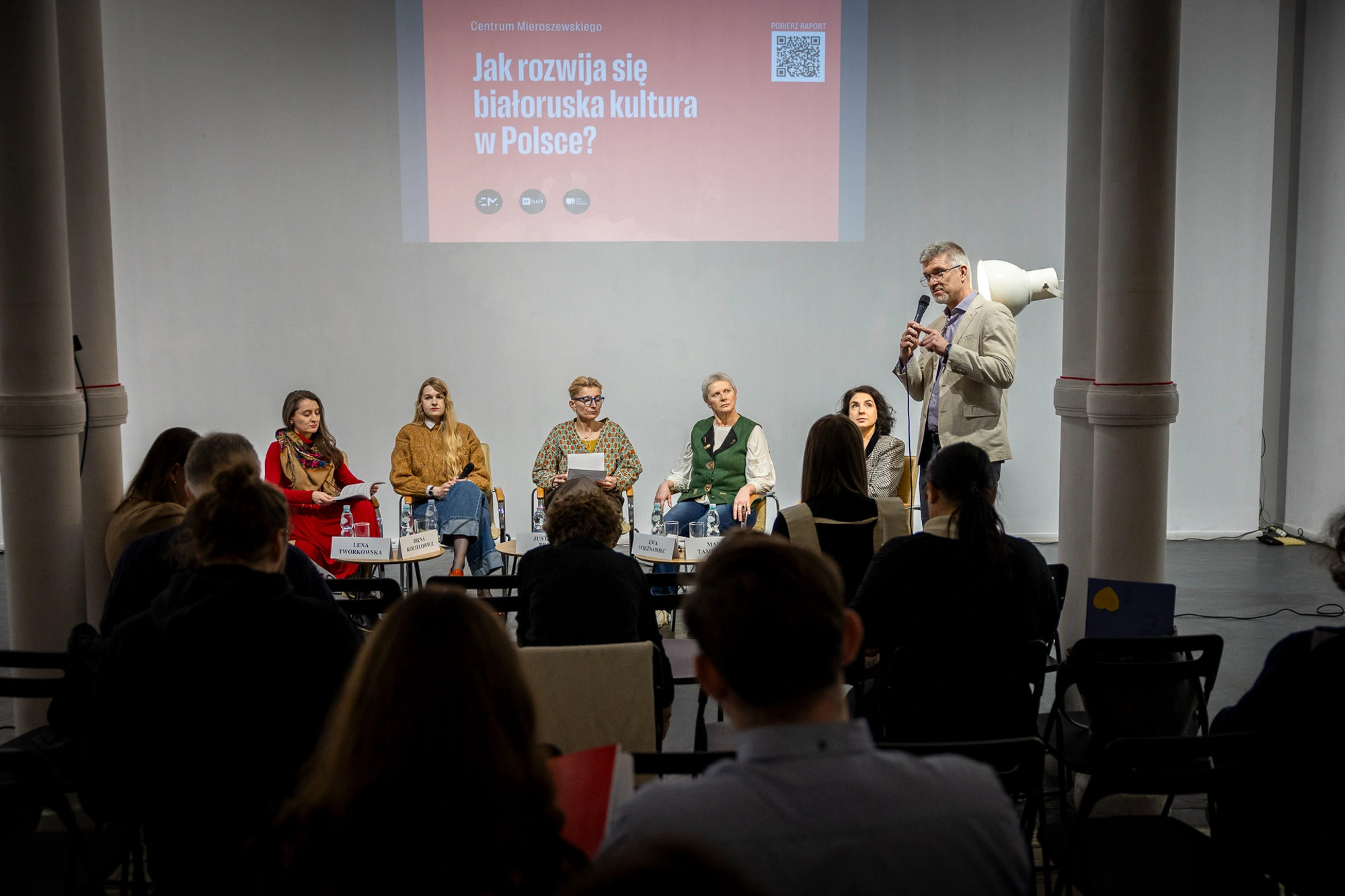
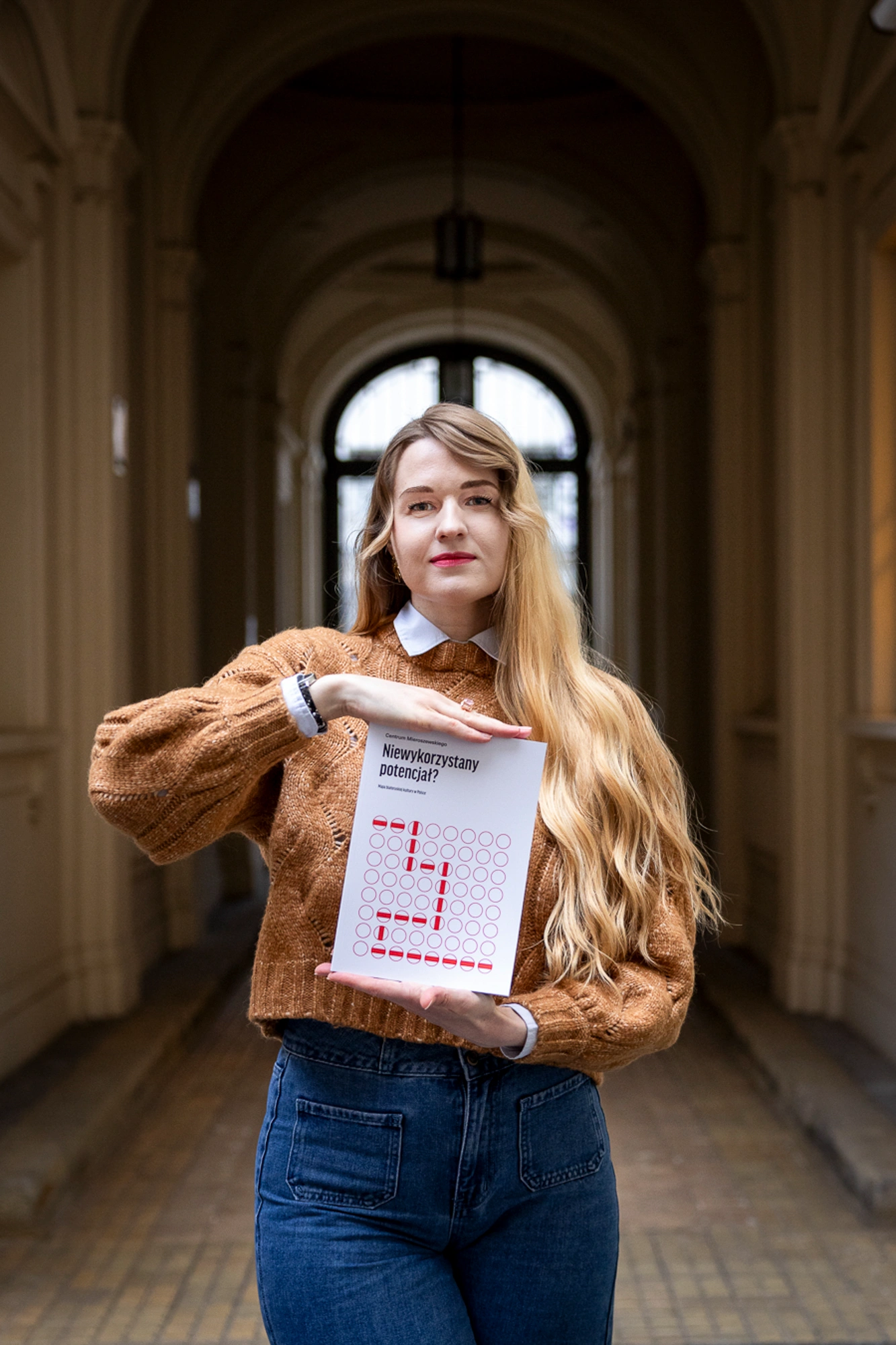
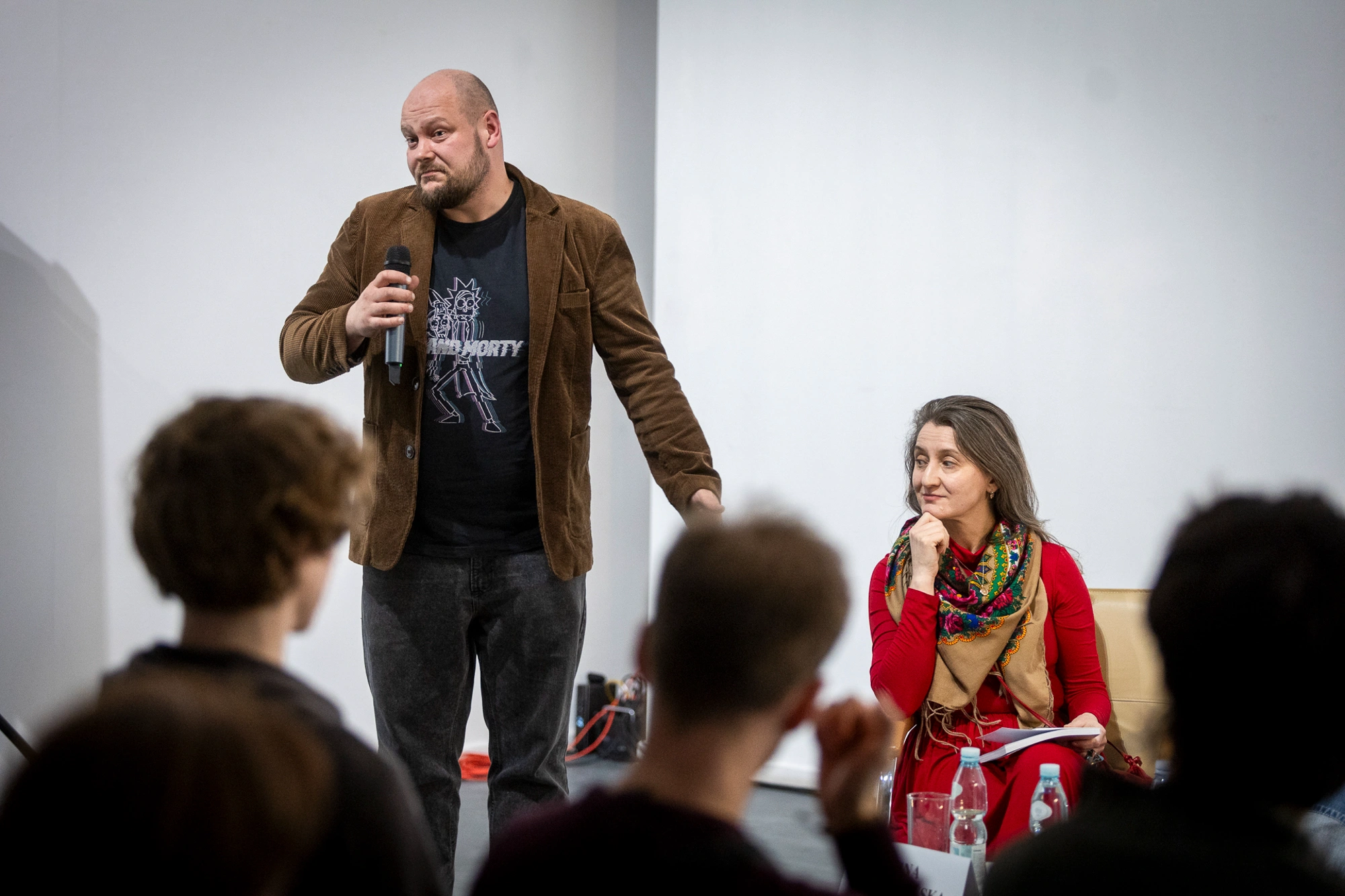
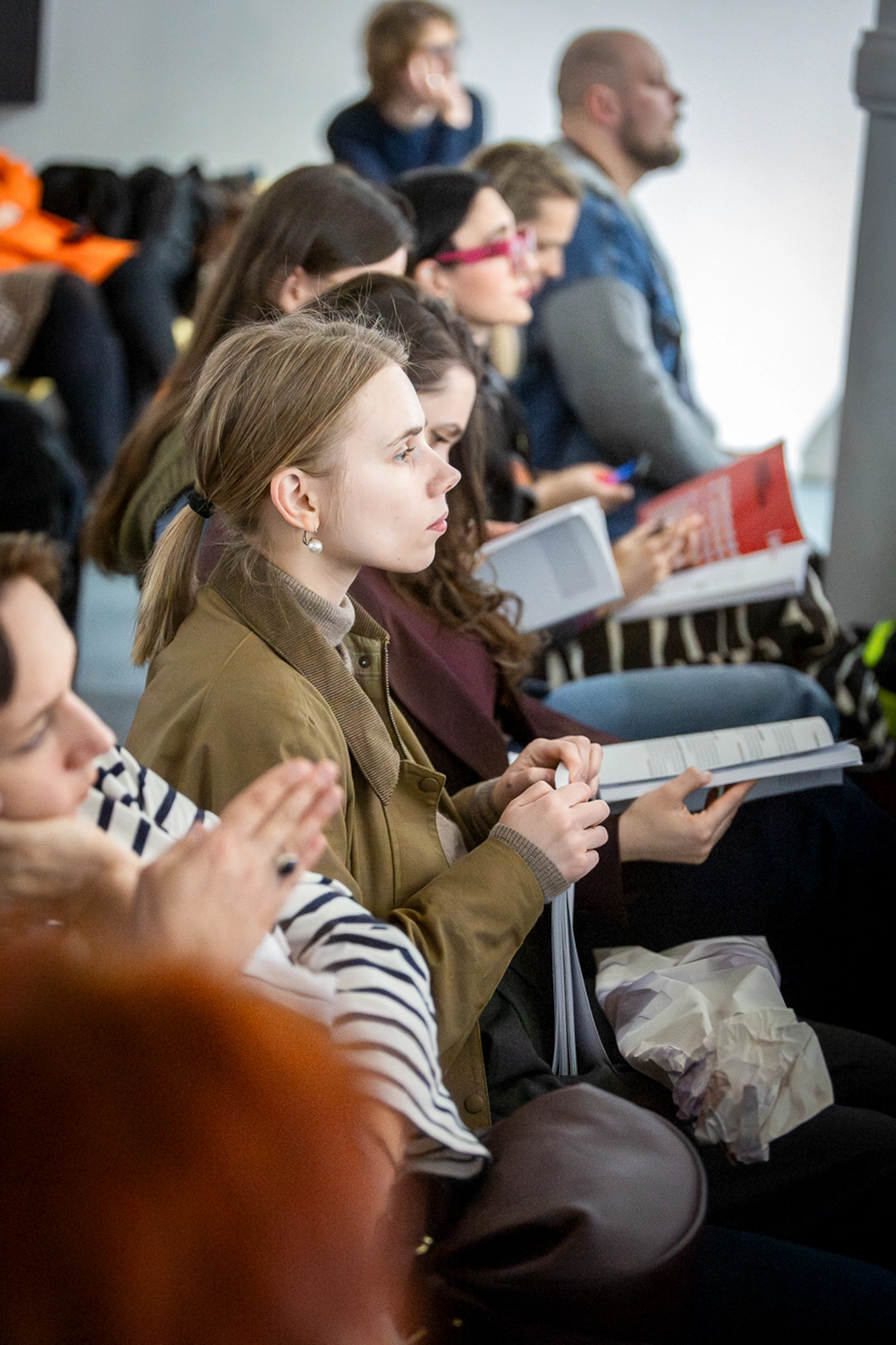
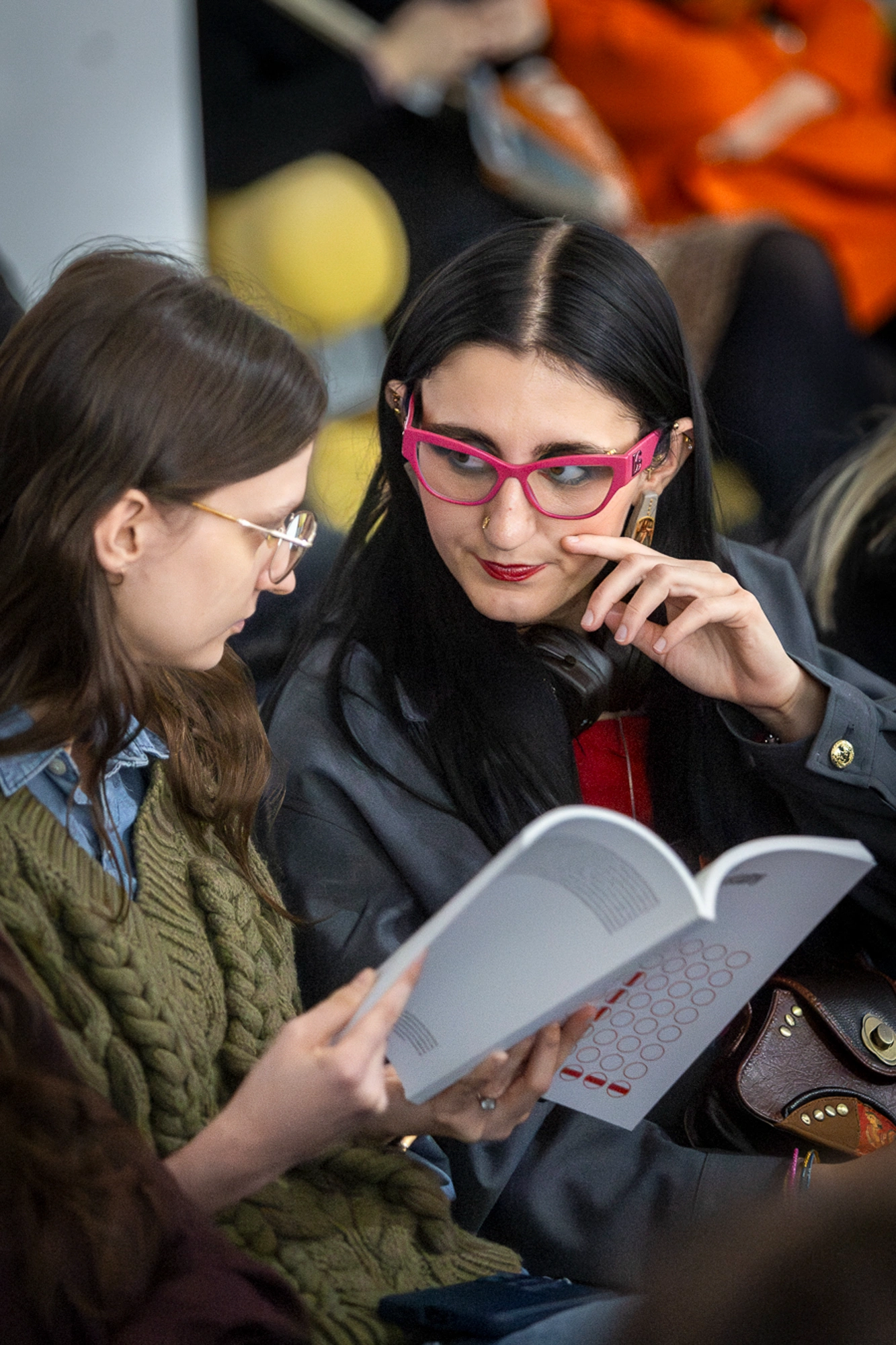
The launch of the Mieroszewski Centre’s report on Belarusian culture in Poland became a starting point for a broader discussion – not only about the publication itself, but about the real experiences of artists working in exile today.
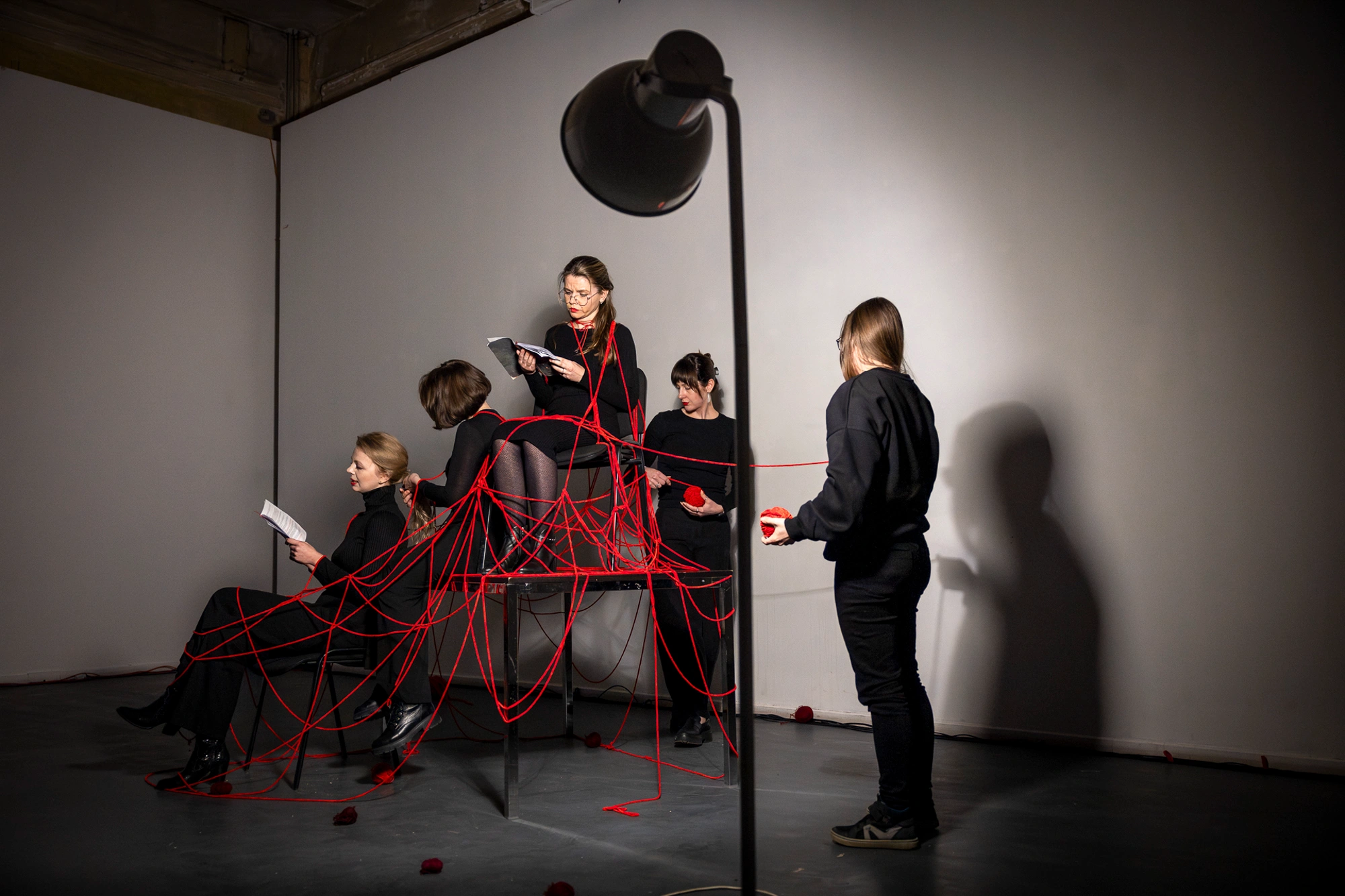
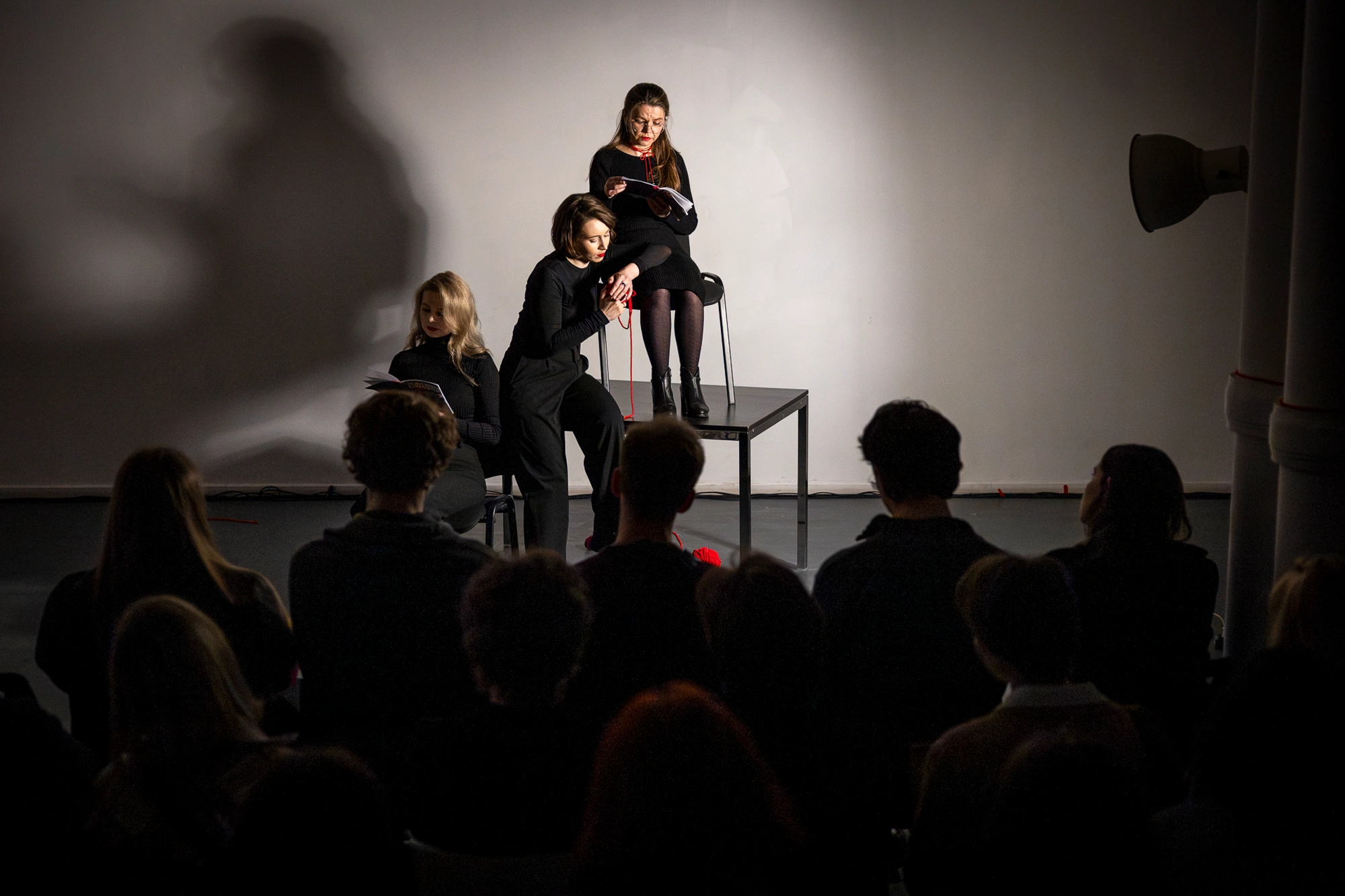
The event was accompanied by a performative reading of “For This Is My Body” by BY Theatre and a guided tour of the exhibition “Starting Point: Women’s Cause” at the Museum of Free Belarus.
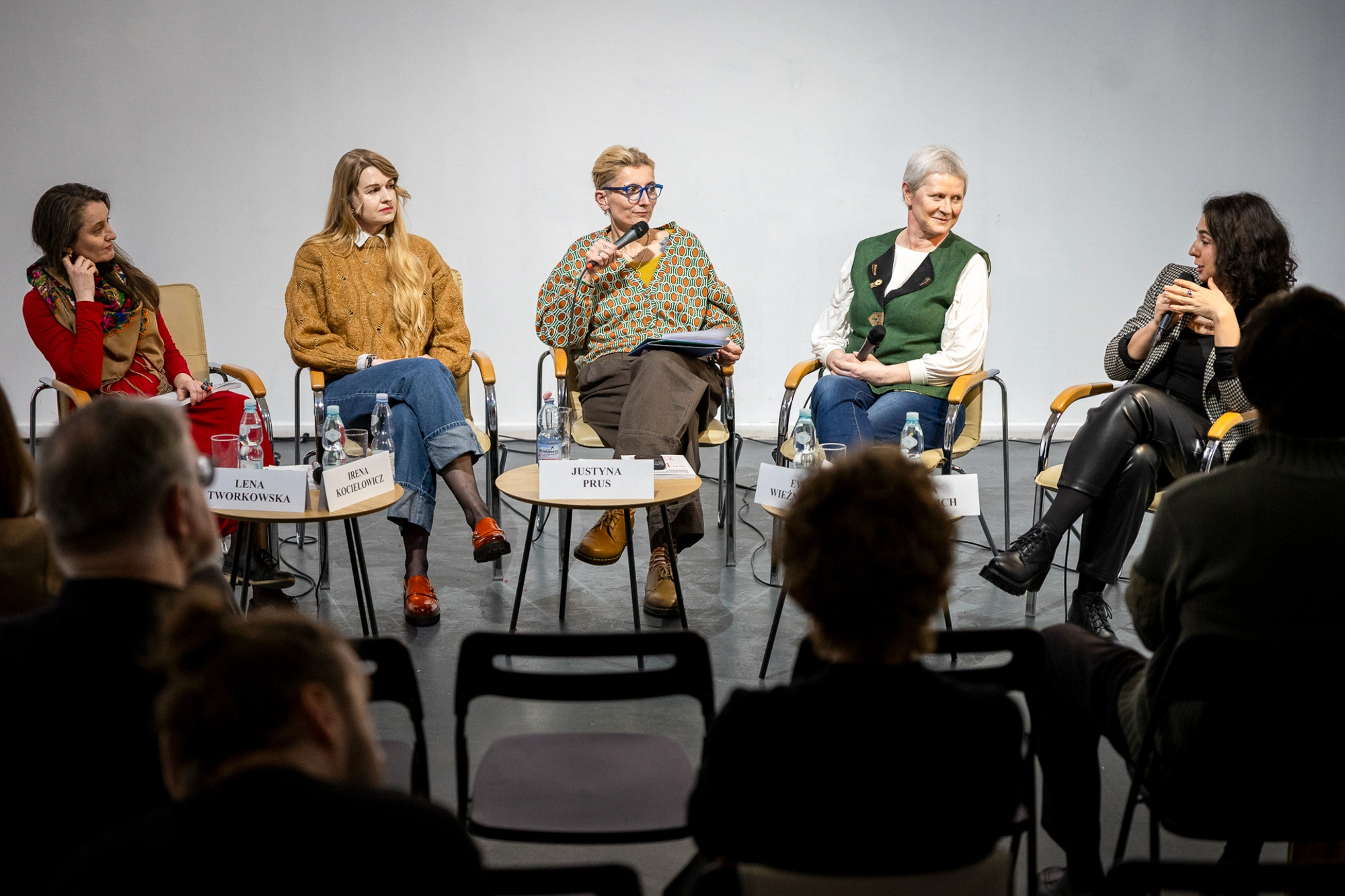
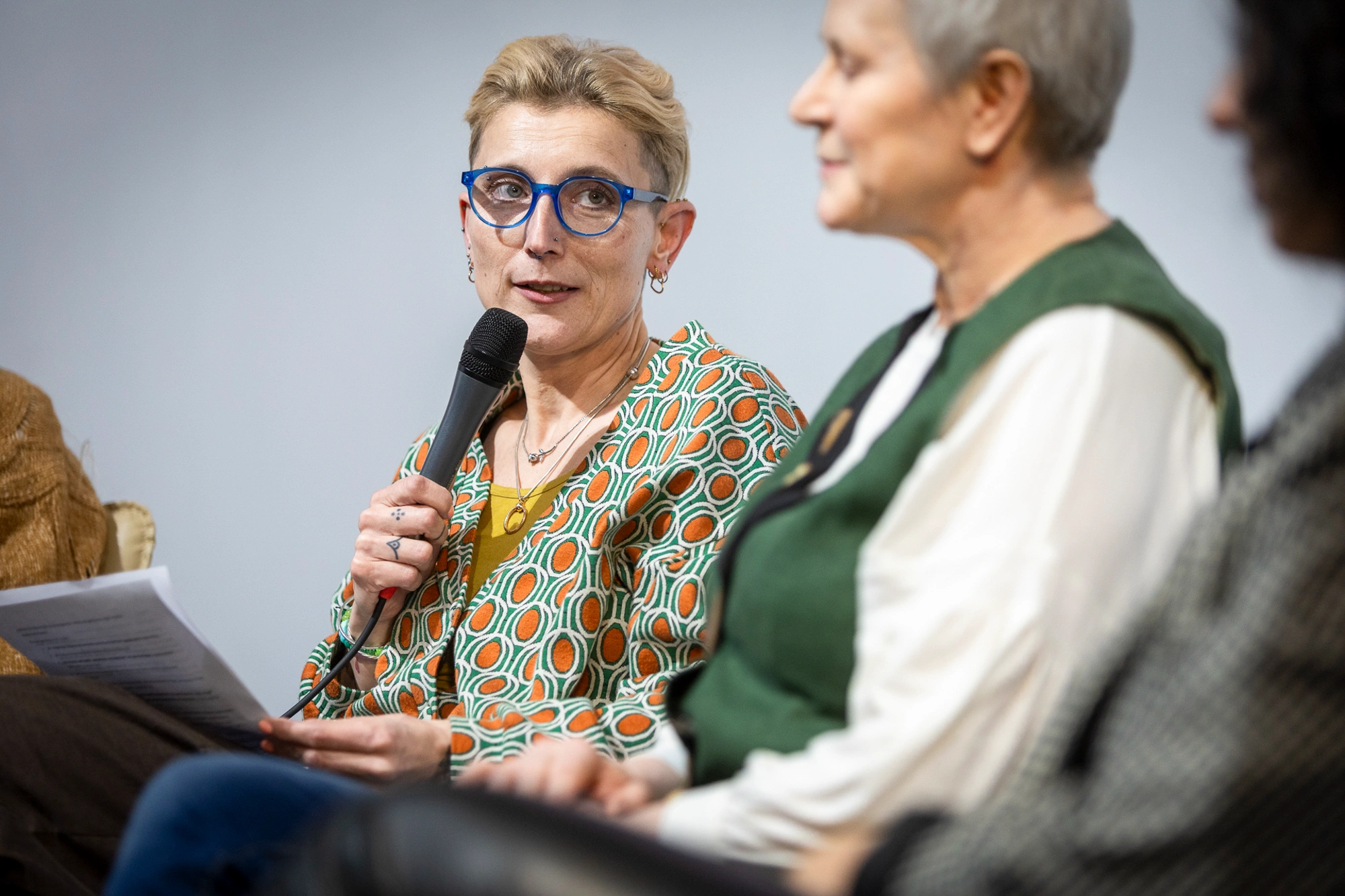
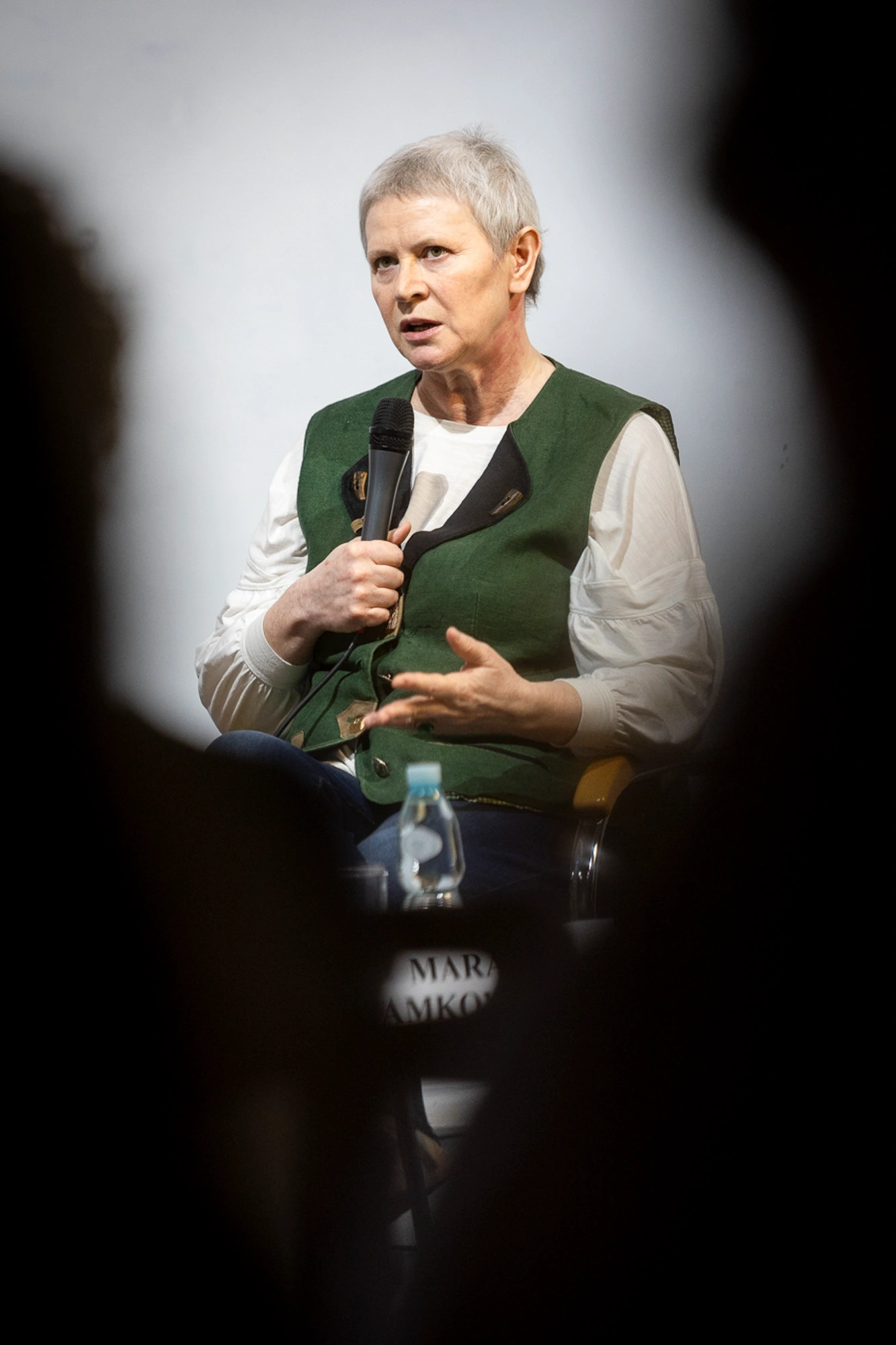
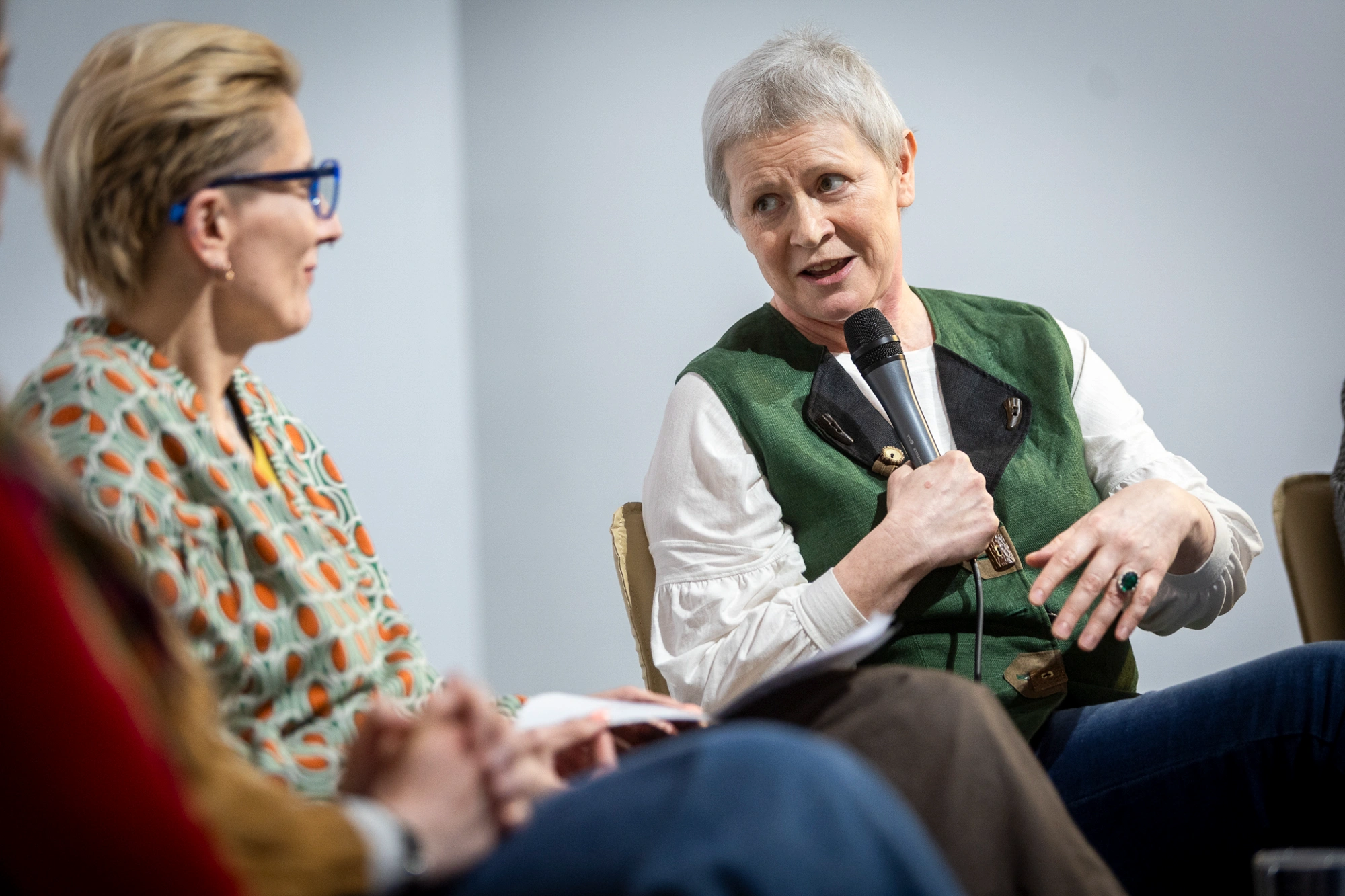
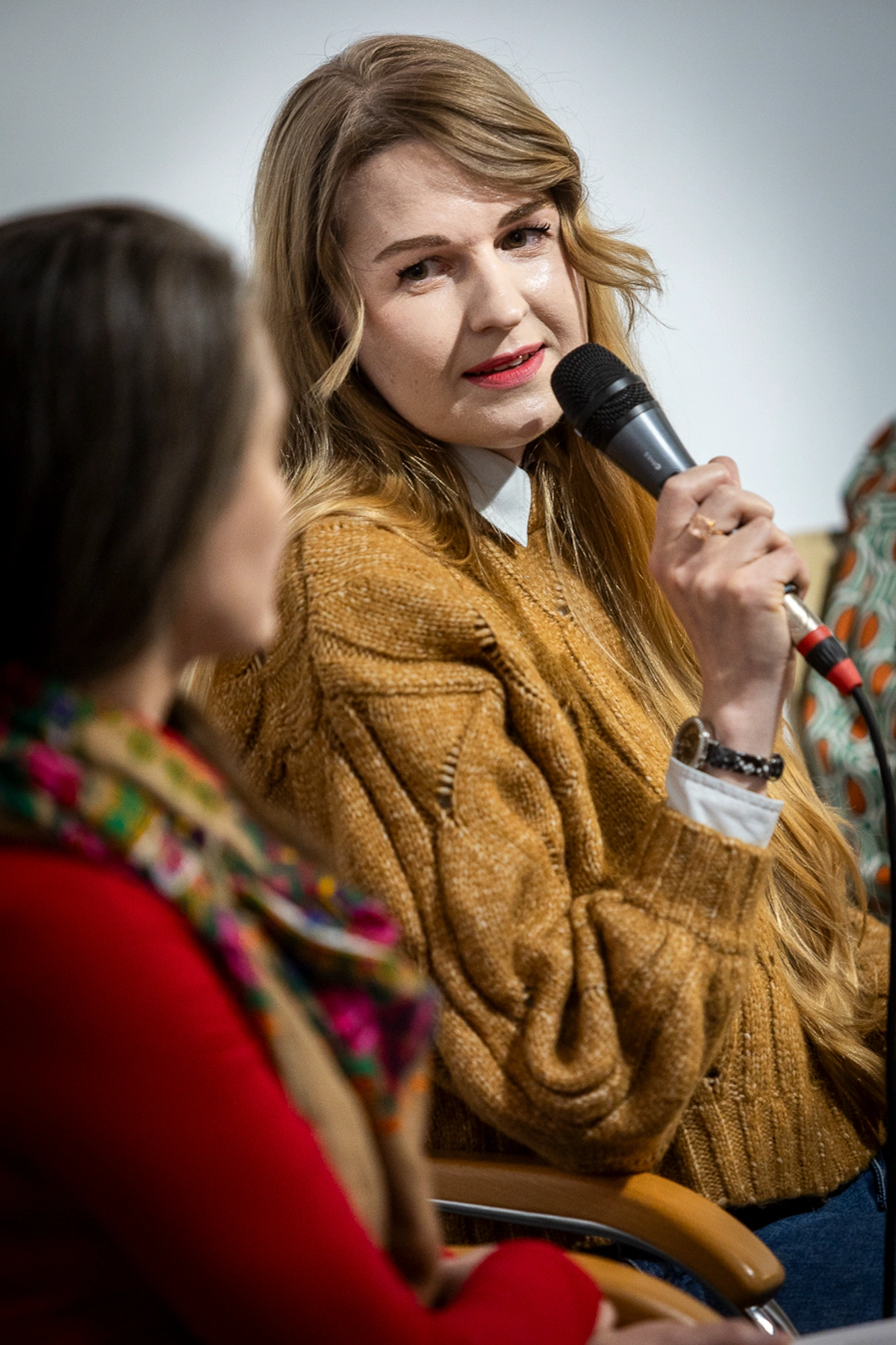
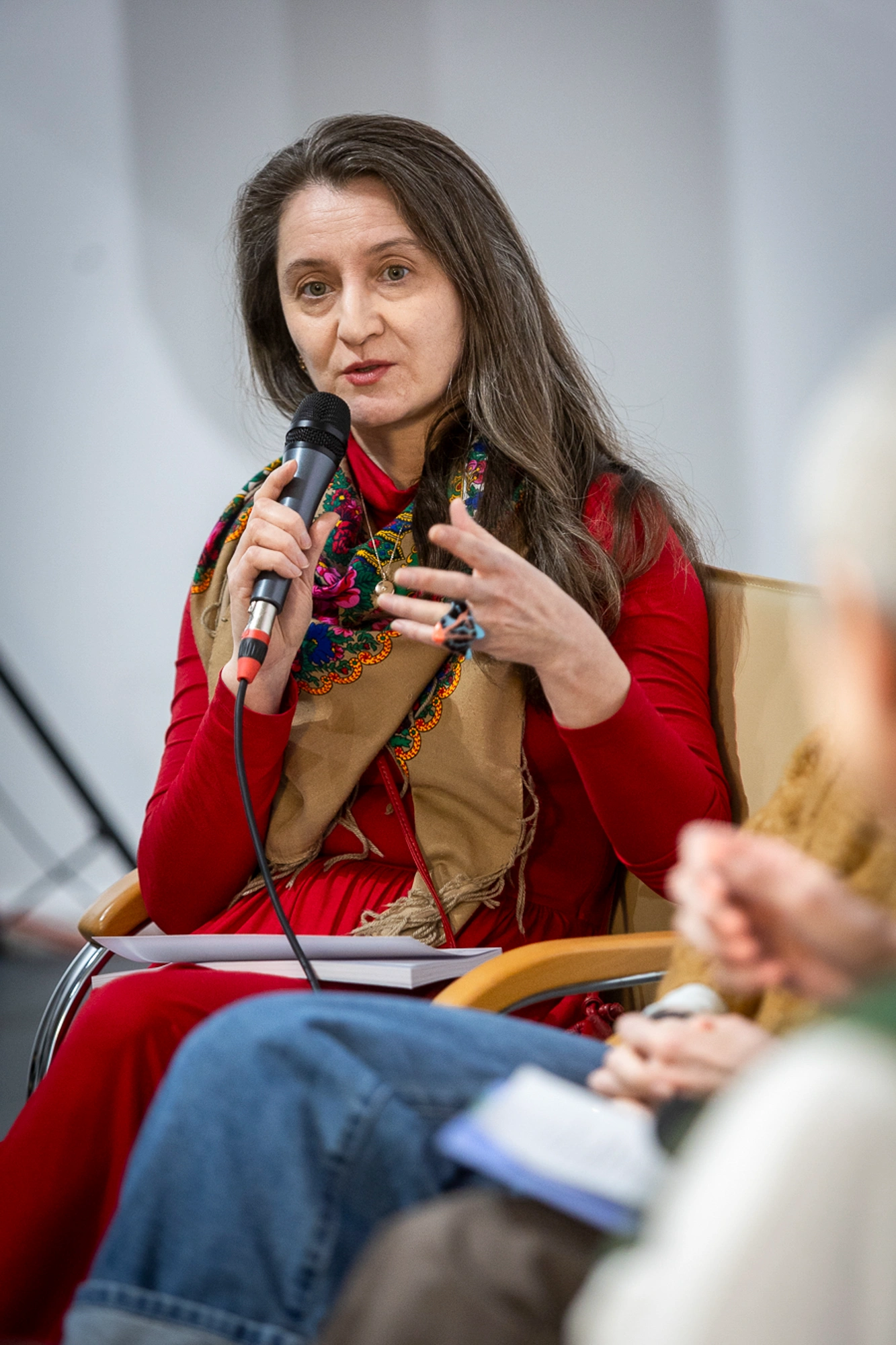
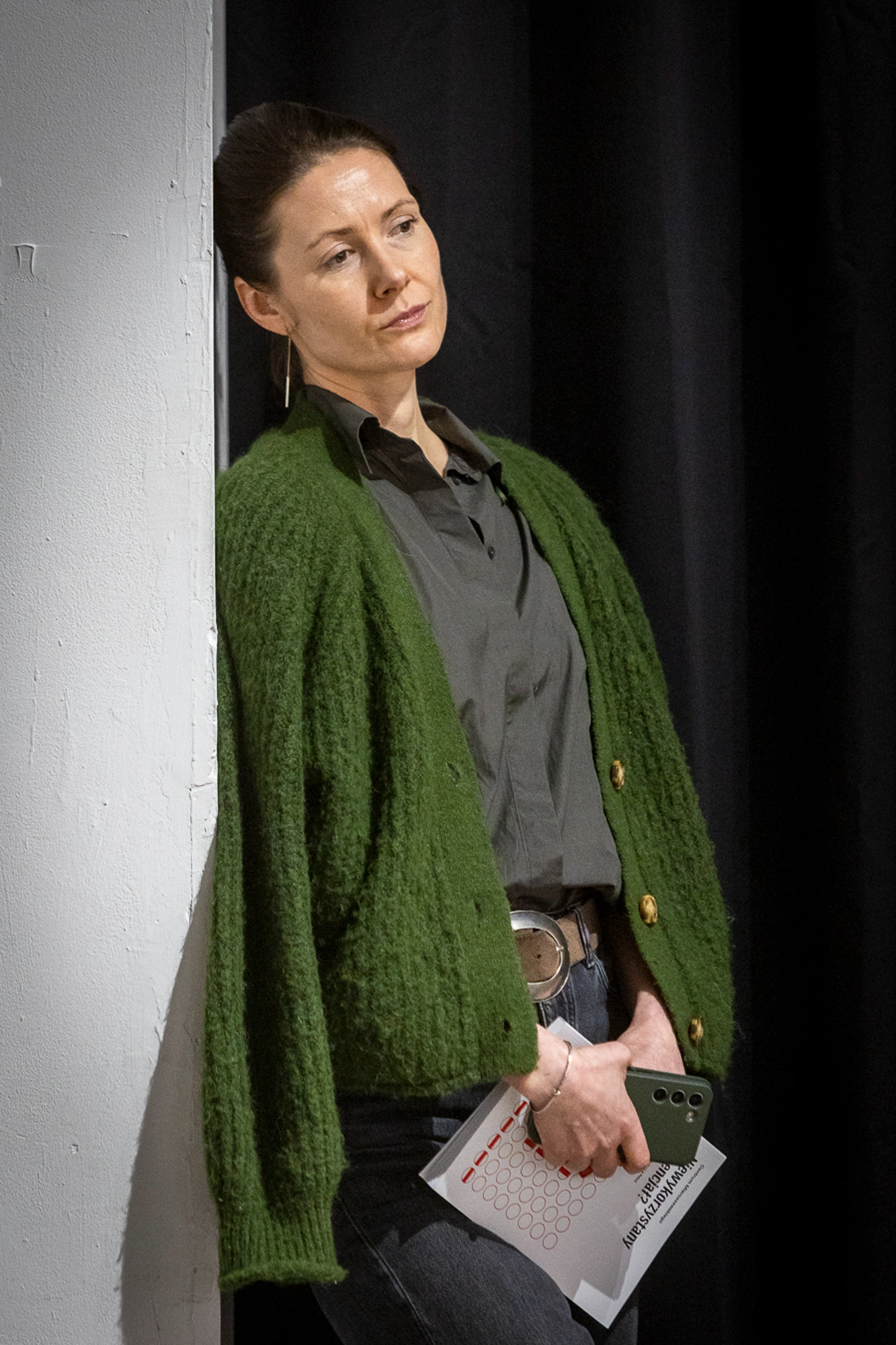
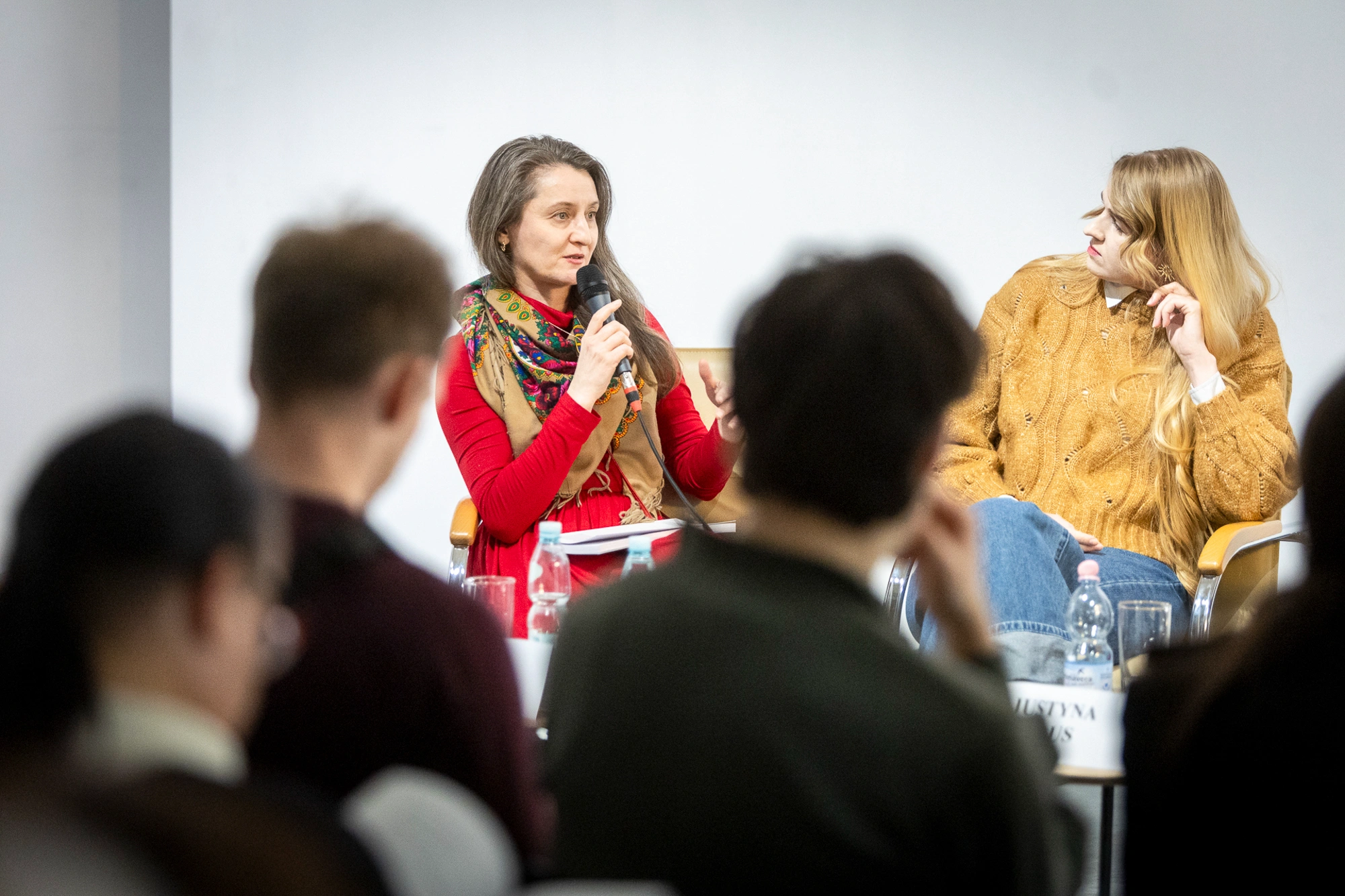
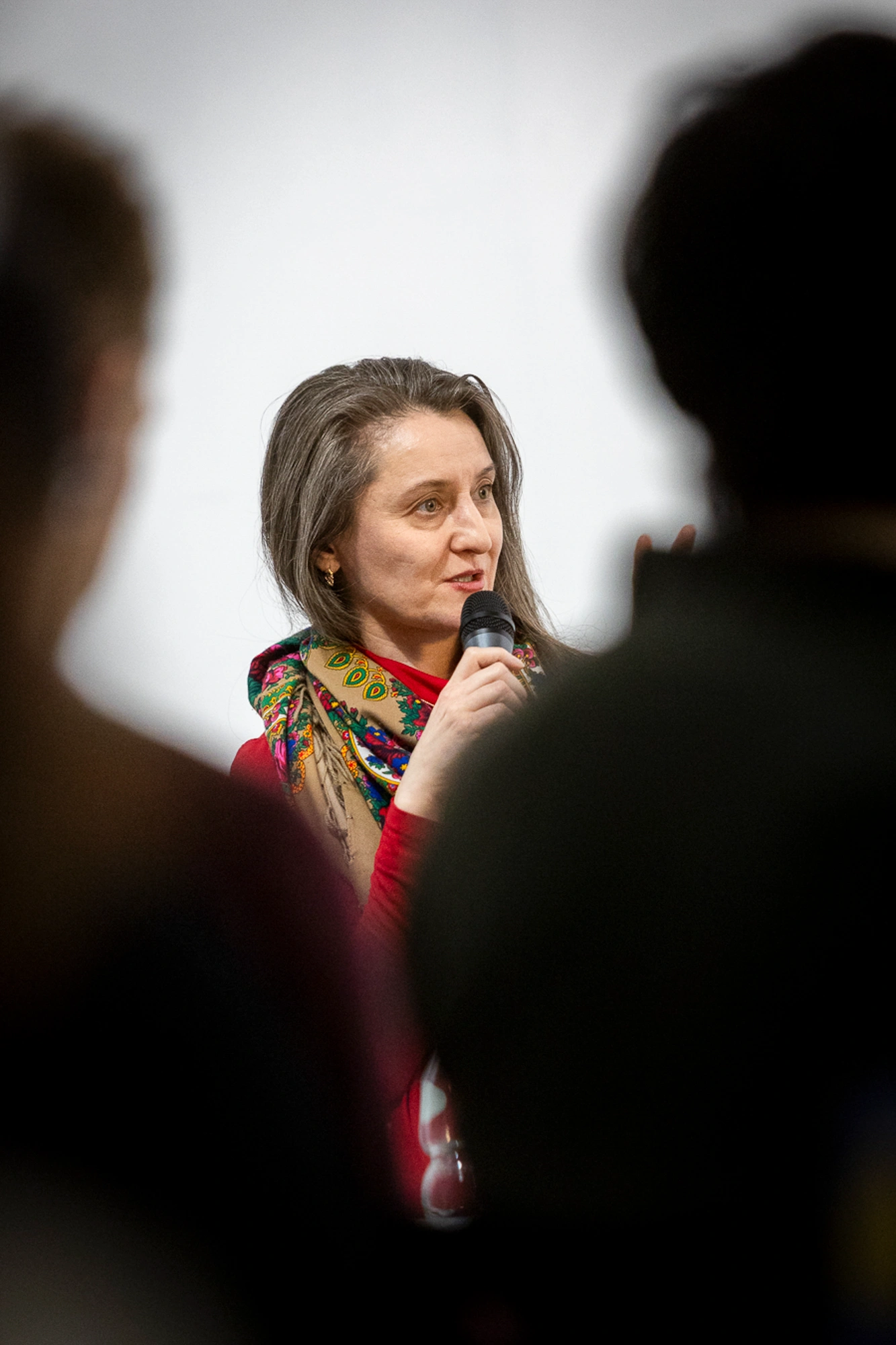
The discussion featured Mara Tamkowich, Ewa Wieżnawiec (Sviatlana Kurs), Irena Kotselovich and Lena Tworkowska, and was moderated by Justyna Prus.
One of the key points that emerged from the conversation was that a model based solely on solidarity – although essential after 2020 – is no longer sufficient. It is increasingly being replaced by the need for partnership – relationships grounded in the recognition of competence, professionalism, and the autonomy of Belarusian artists. Belarusian culture in Poland is no longer just an area of support – it is becoming a fully-fledged part of the cultural landscape.
At the same time, the discussion revealed how complex and still insufficiently mapped this field remains. Belarusian cultural activity in Poland is dynamic, diverse, and spread across many cities and formats, yet it remains fragmented and difficult to fully grasp. The report – covering over 120 initiatives – is only an attempt to capture this living ecosystem and a starting point for further structuring our understanding of it.
Language emerged as one of the most important themes – not only as a tool of communication, but as a matter of identity and choice. The importance of Belarusian as the primary language of artistic expression was strongly emphasized, while also acknowledging the realities of multilingualism: navigating between Belarusian, Polish, and – often still present – Russian. This multilingual condition is not simply an artistic choice, but a result of biography, migration, and lived experience.
Another important thread concerned the relationship between rootedness and universality. Belarusian artistic work does not need to abandon its specificity to function in a broader context – on the contrary, its strength lies in the authenticity of experience. This authenticity makes it possible to build bridges between Belarusian audiences and Polish and international publics.
The discussion also made it clear that, in the current context, art cannot be separated from politics. Experiences of violence, repression, and exile continue to shape artistic practices – not always directly, but as a background that influences how stories are told. At the same time, it was emphasized that art is not limited to testimony – it is also a space for experimentation, metaphor, and the search for new forms.
An important aspect of the conversation was the role of culture as a carrier of identity. For many people in exile, it becomes a space for sustaining community, memory, and continuity – while also raising the question of audience: should Belarusian culture primarily address its own diaspora, or should it seek a broader international reach? This tension between identity and visibility remains one of the key challenges.
A particularly strong point was the need to rethink the concept of support. Rather than maintaining a framework of assistance, the speakers highlighted the importance of creating “opportunities” – conditions that enable artists to enter professional circulation, produce work, and develop independently. Examples from the theatre field demonstrated that well-designed programs can lead to real artistic autonomy rather than dependency.
In a broader perspective, Belarusian culture was identified as one of the key areas for building the future of a democratic Belarus. It is not a secondary or marginal field – on the contrary, it serves as a space for preserving identity, imagination, and collective language. In this sense, supporting Belarusian culture is not only an act of solidarity, but an investment in the future of the region.
The meeting made one thing clear: Belarusian culture in Poland is no longer focused on survival alone. It is increasingly oriented toward development, quality, and presence within a wider cultural circulation. The key question today is no longer whether to support it, but how to do so wisely – in ways that strengthen its autonomy, visibility, and long-term potential.


