


From reading to diagnosis: the fifth edition of the Mieroszewski Round Table
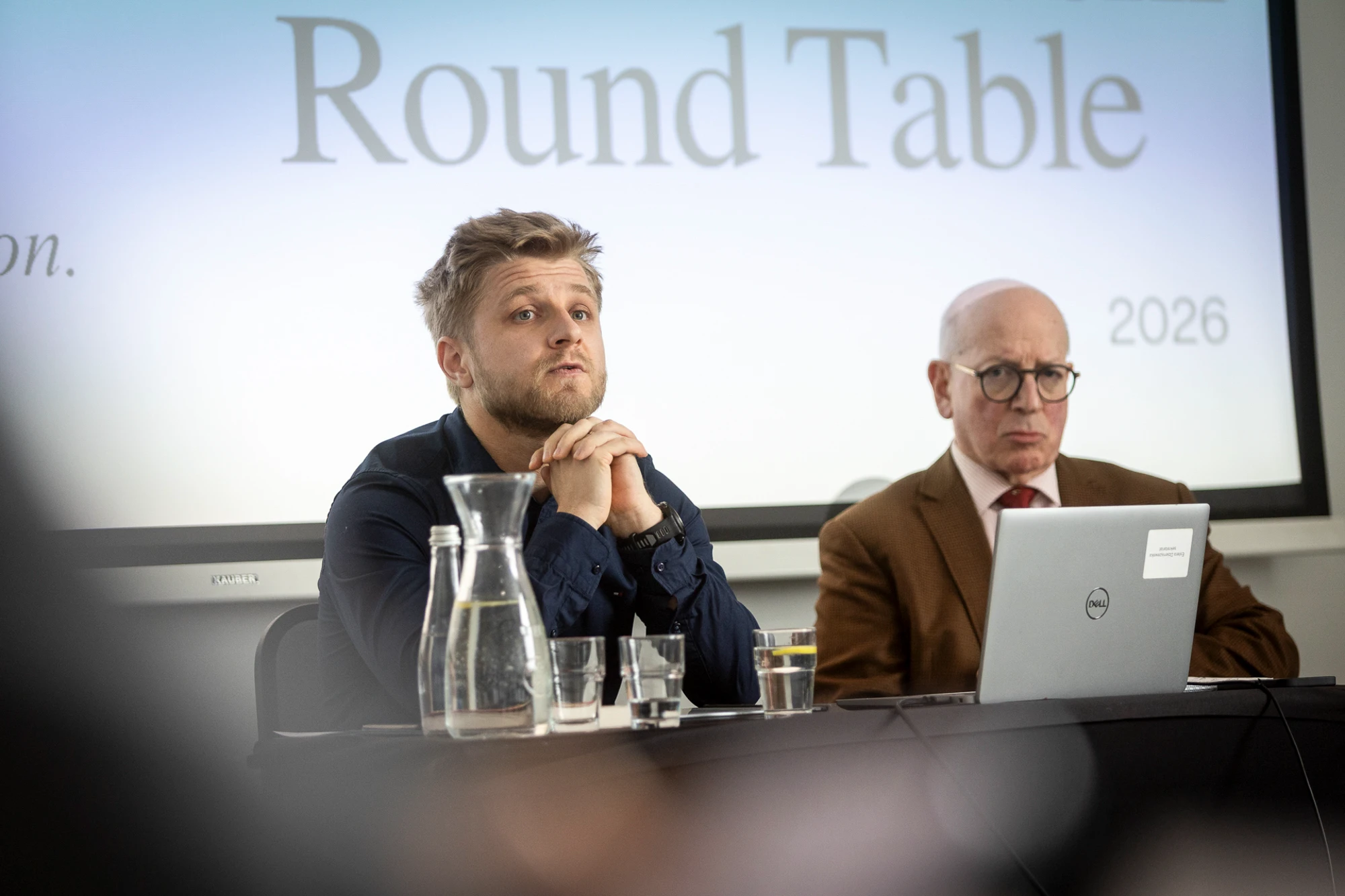
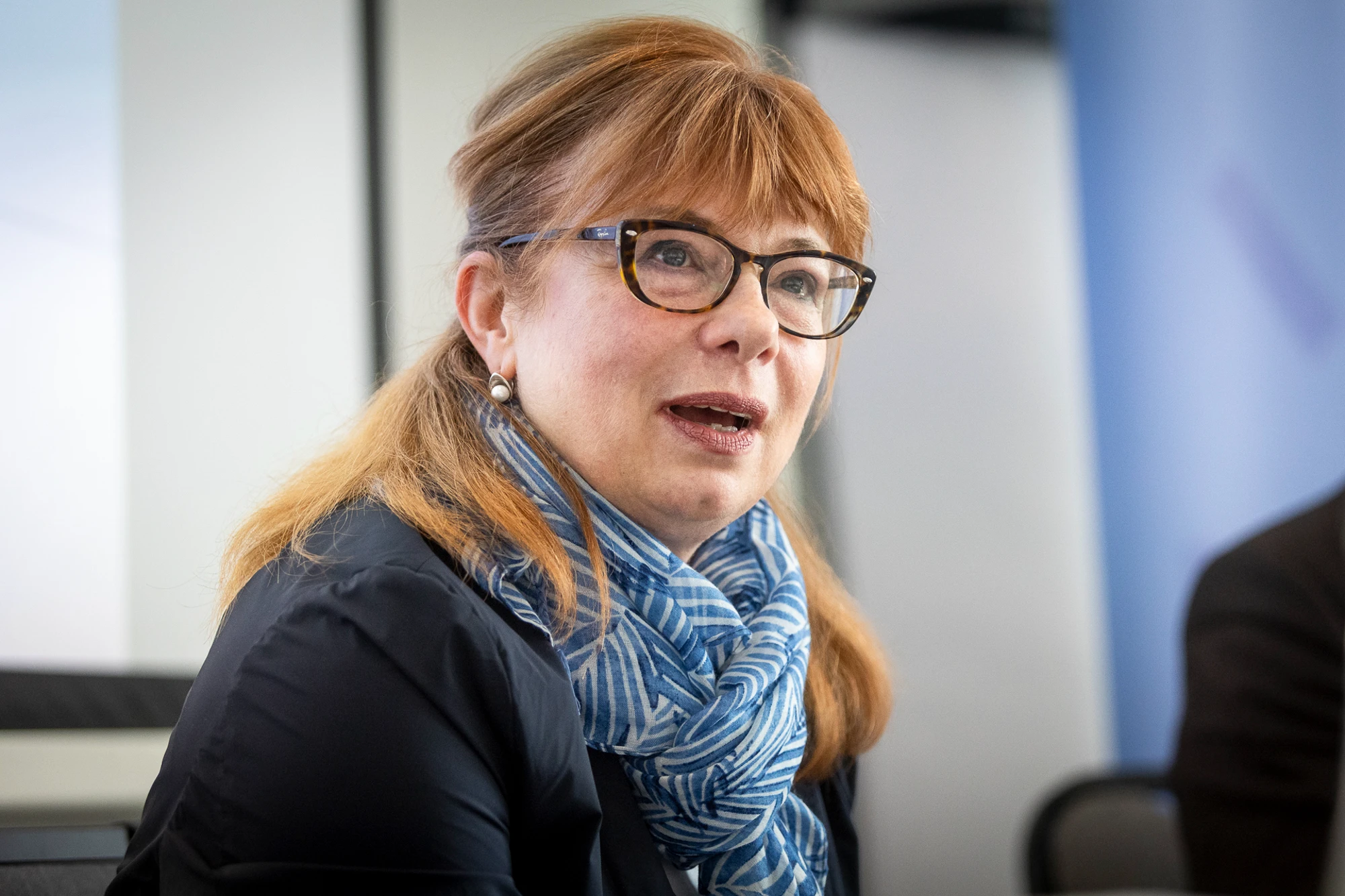
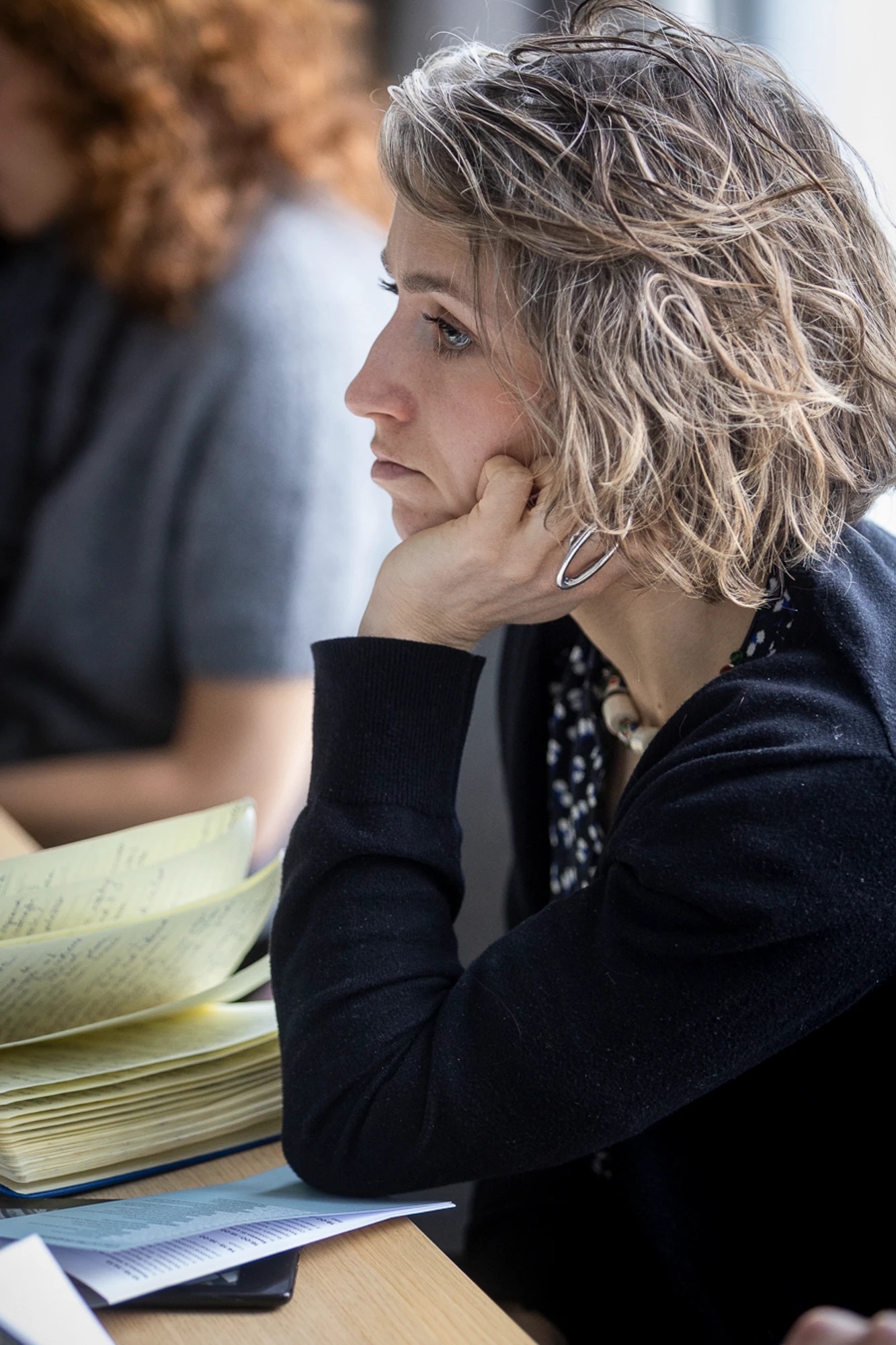
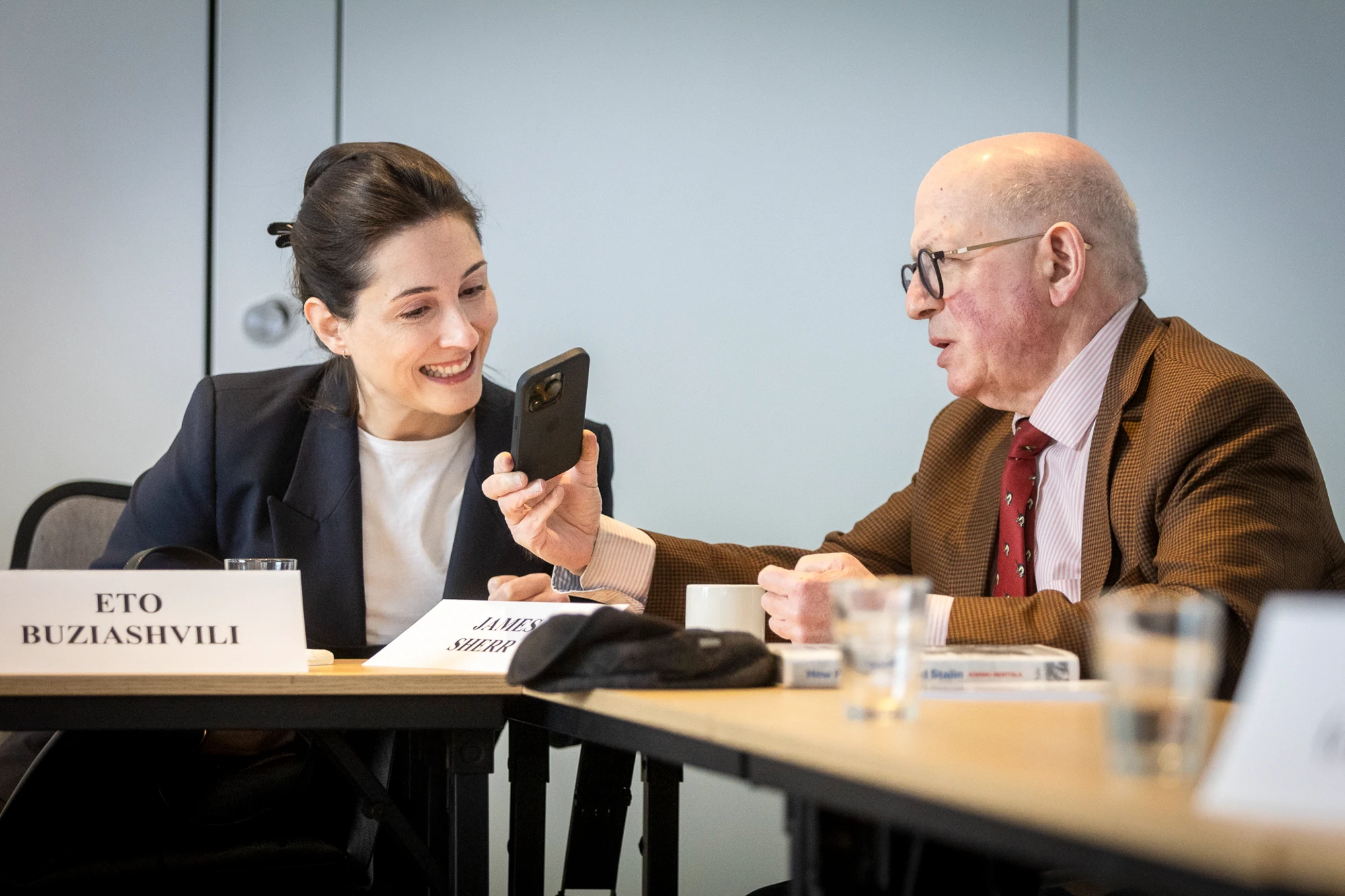
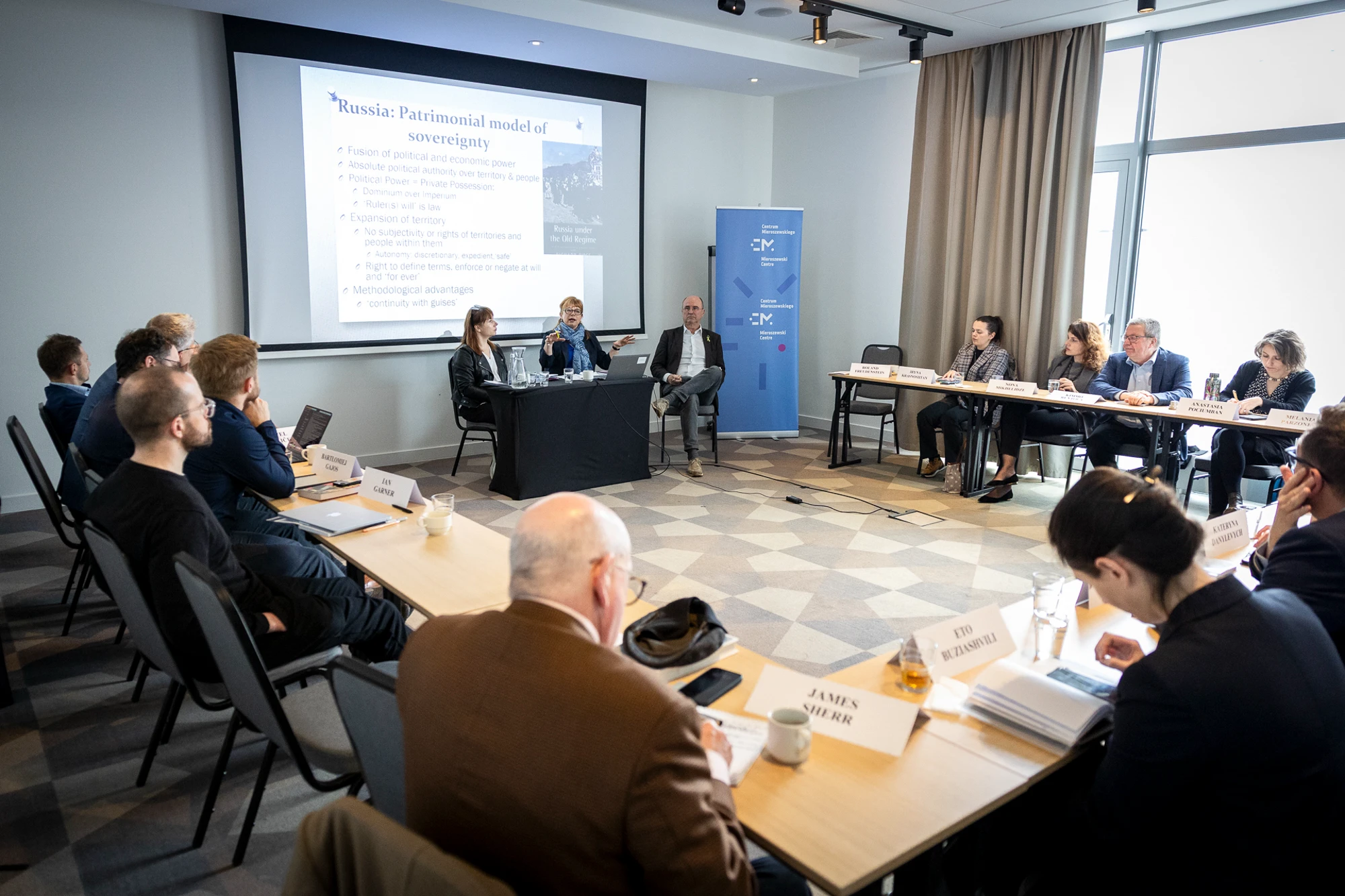
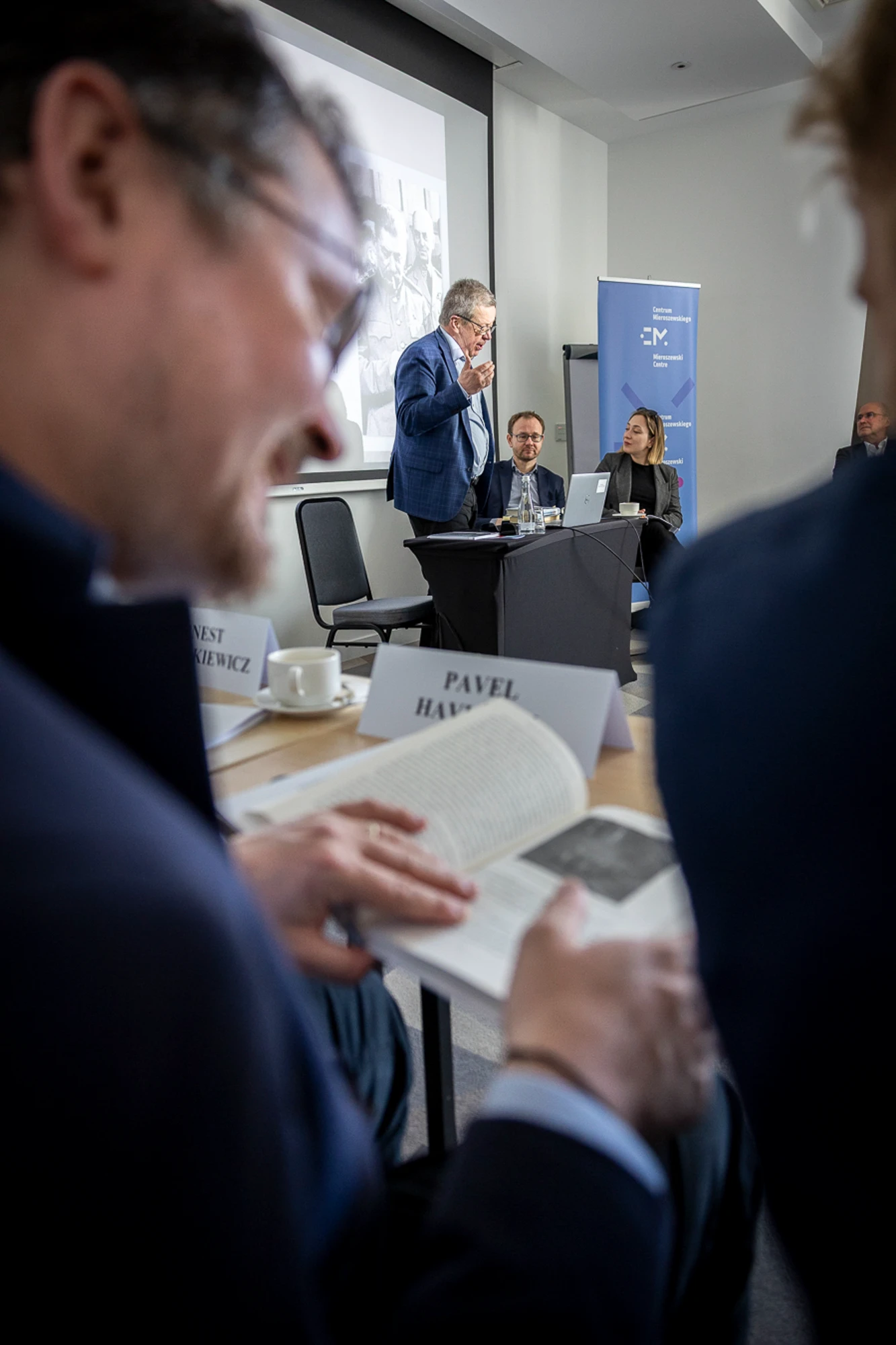
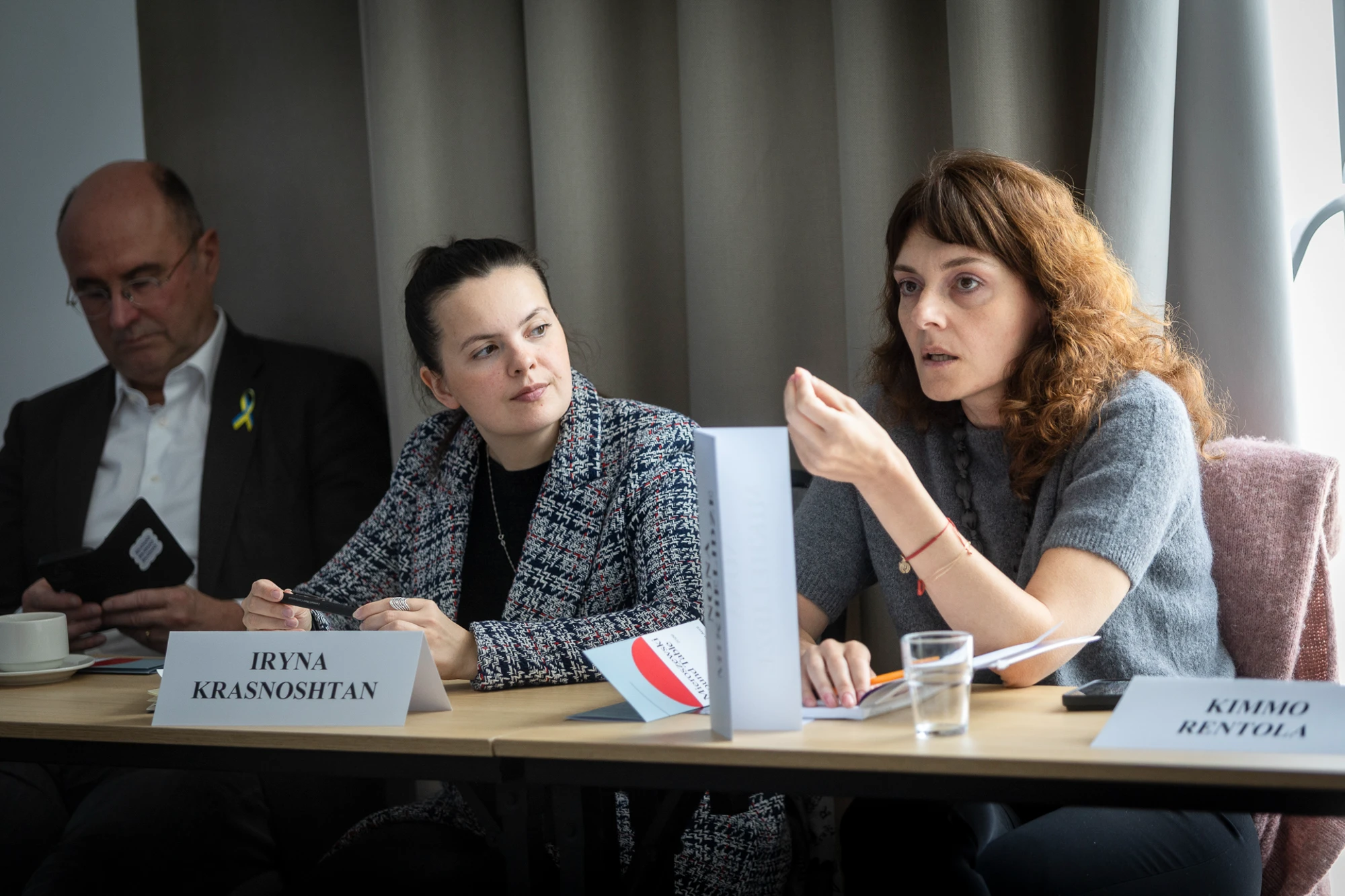
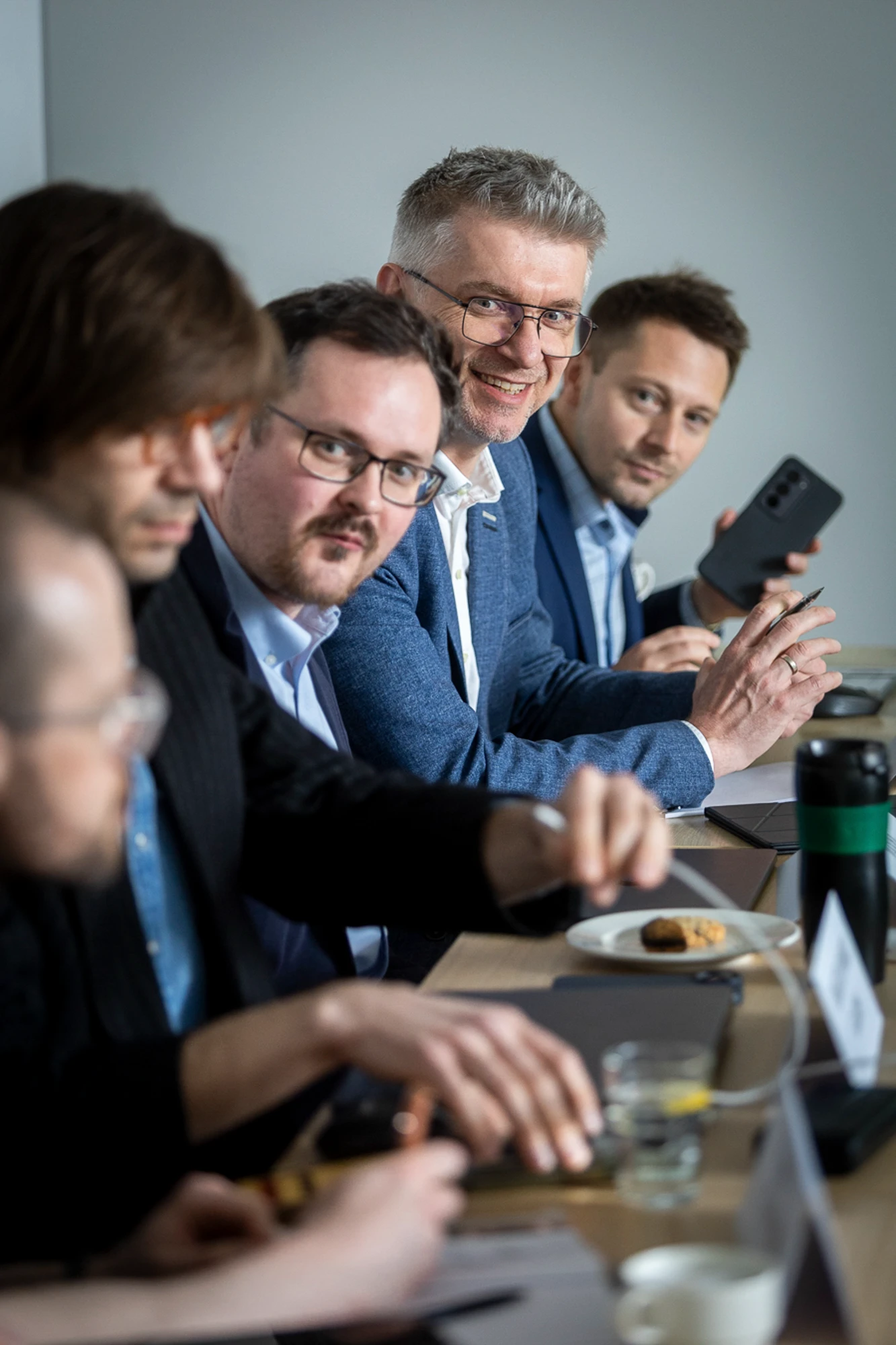
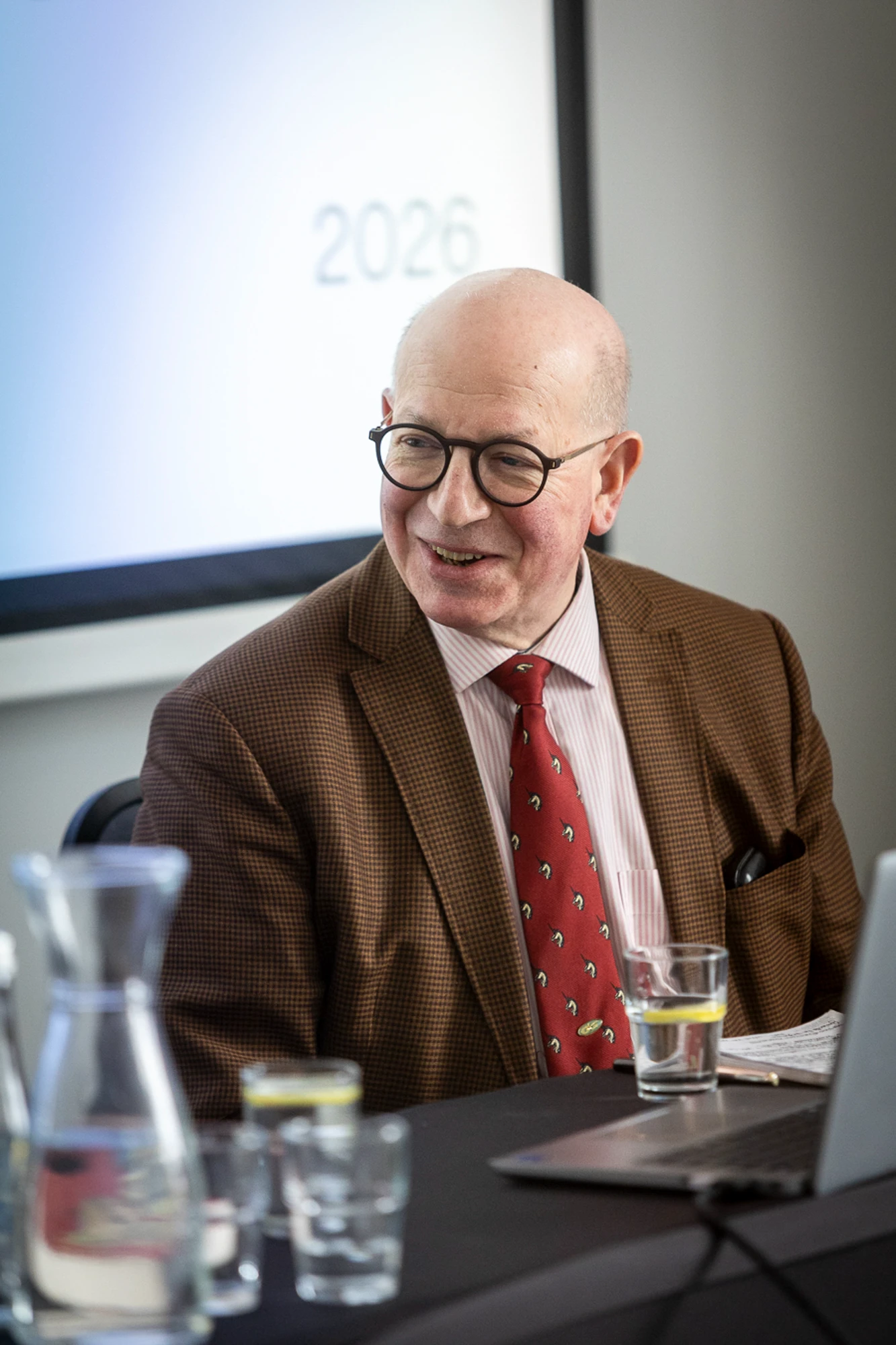
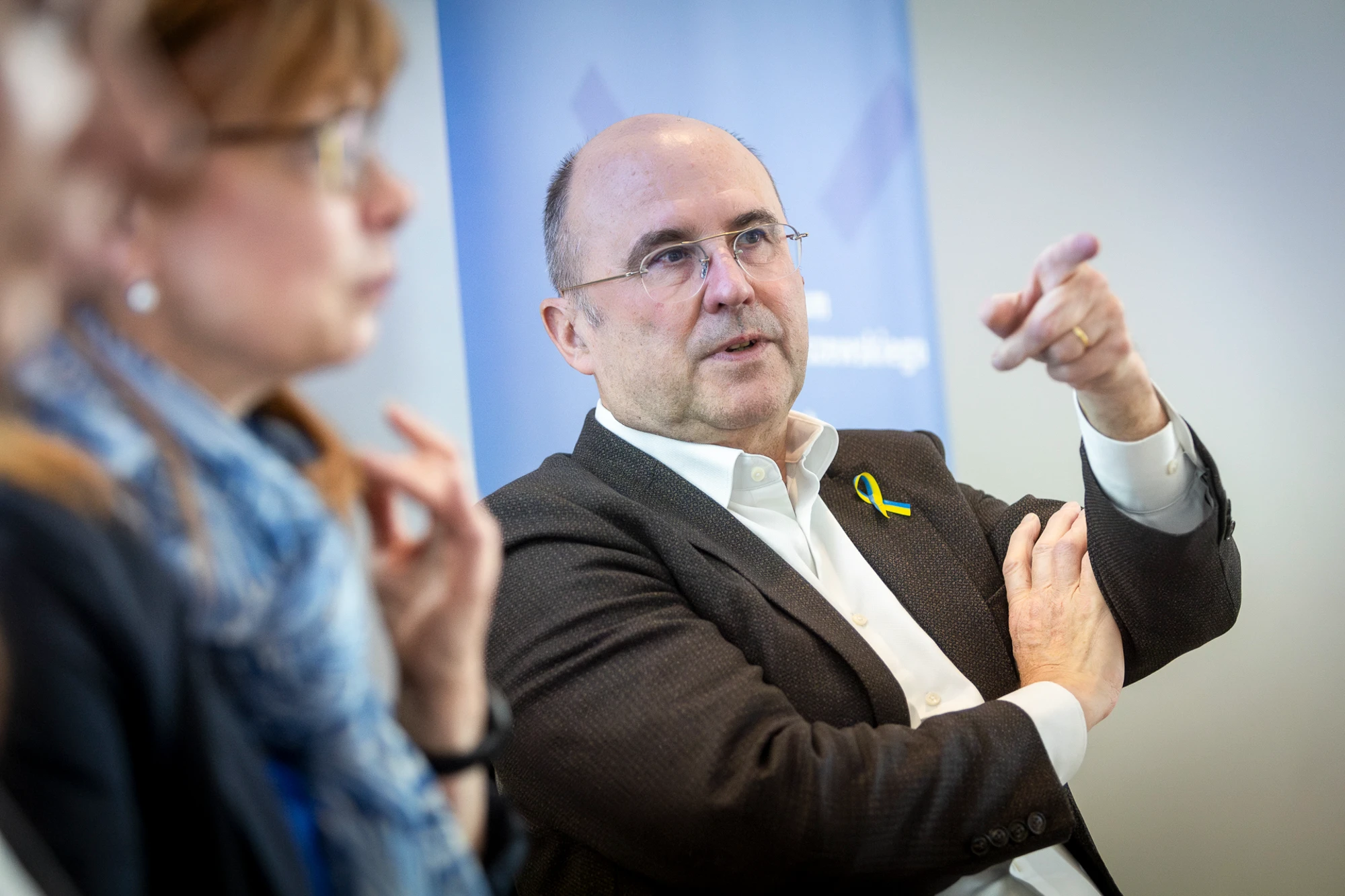
Held on 27–29 April 2026, the fifth edition of the Mieroszewski Round Table once again brought together scholars and practitioners to discuss the politics, history and security of Central and Eastern Europe through the prism of books.
Organised by the Mieroszewski Centre, the format treats publications not merely as prompts for discussion, but as tools for structuring debate, sharpening analytical questions and moving beyond immediate commentary towards a deeper understanding of the forces shaping the region.
This year’s discussions focused on problems that, in the aftermath of Russia’s full-scale invasion of Ukraine, demand a constant reassessment of analytical thinking itself. The agenda revolved around the limits of compromise with a revisionist power, the role of history as an instrument of mobilisation and violence, and the instrumental use of international law.
The discussions in each session were framed around books authored by Kimmo Rentola, Bartłomiej Gajos and Kataryna Wolczuk. The discussions pointed to a coherent conclusion: Russian pressure on its neighbours is not limited to military action.
Finland: survival is not a model to be replicated
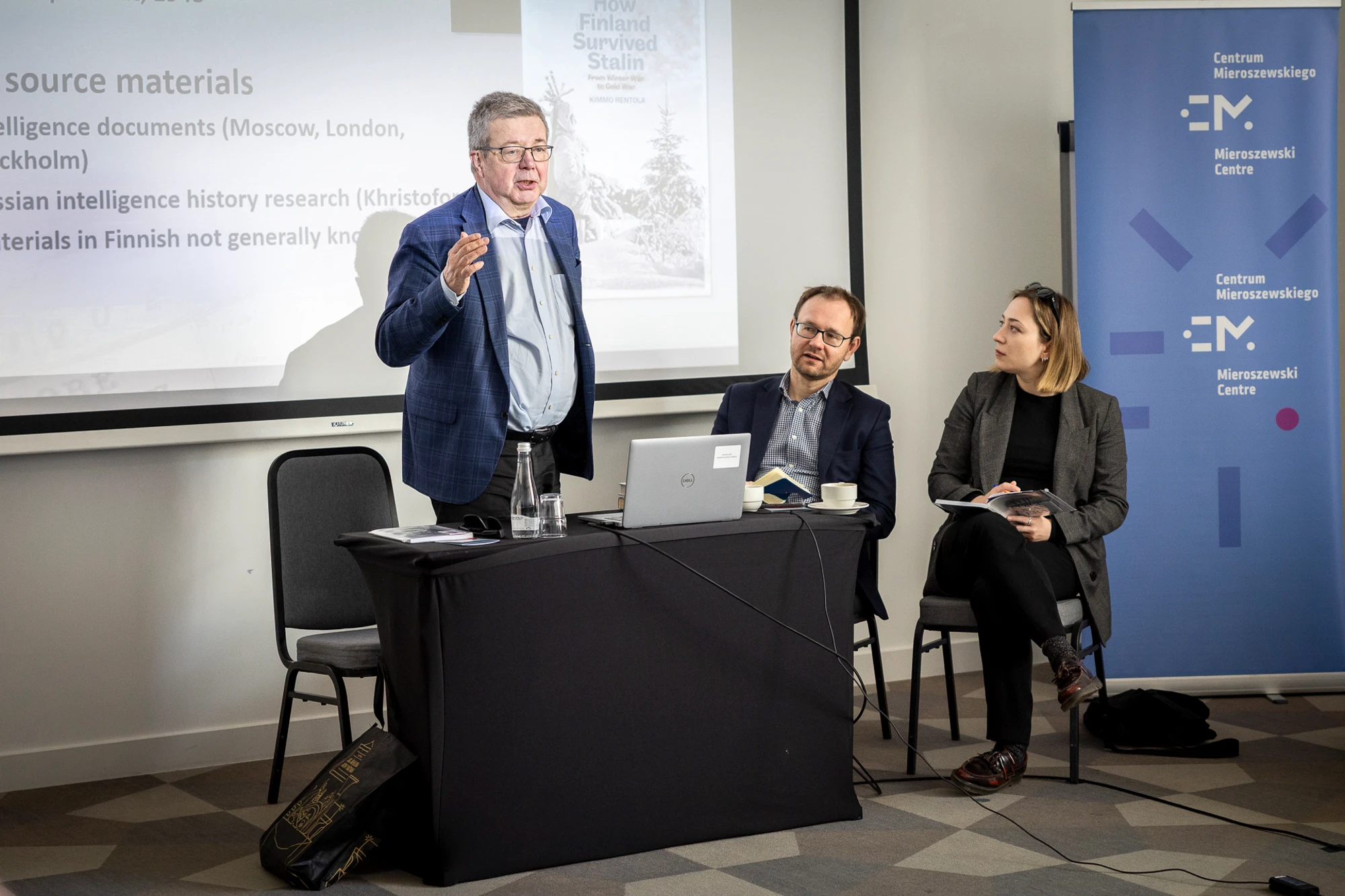
The first session centred on Kimmo Rentola’s How Finland Survived Stalin (Yale University Press, 2024), examining Finland’s survival under Soviet pressure between 1939 and 1950. The discussion quickly moved beyond the Finnish case itself and turned into a broader debate on whether the concept of “Finlandisation” can meaningfully be applied to contemporary Ukraine.
Finland’s experience demonstrates a recurring Soviet pattern: the formulation of maximalist demands, confrontation with the resistance of a weaker state, the mounting costs of war and international constraints, followed ultimately by a reduction of initial ambitions. Finland’s survival did not result from a single factor. It depended on military determination, political flexibility, skilful management of relations with a stronger neighbour and favourable international conditions.
It was equally important to note that “finlandisation” was never Moscow’s original objective. Rather, it emerged as a forced solution when full control over Finland proved too costly and risky. In that sense, it was not a strategy of success, but a way of managing limitations.
Seen from this perspective, treating “finlandisation” as a possible model for Ukraine leads to misleading conclusions. Russia does not regard Ukraine simply as a neighbouring state whose policies should be constrained. It fundamentally challenges Ukraine’s political and national legitimacy.
The scale of violence against civilians, the experience of occupation and the prolonged nature of the war create political and social realities that cannot be ignored in discussions about compromise. Equally significant is the fact that Ukraine’s previous non-aligned status did not prevent Russian aggression.
At the same time, the Finnish experience remains highly relevant. It shows that weaker states expand their room for manoeuvre not through concessions alone, but by imposing costs on the aggressor, maintaining internal cohesion and securing favourable international conditions. The lesson of Finland is therefore not one of accepting limited sovereignty. Rather, it demonstrates that without resilience and sustained external pressure, compromise risks becoming merely another stage of subordination.
History as an instrument of power
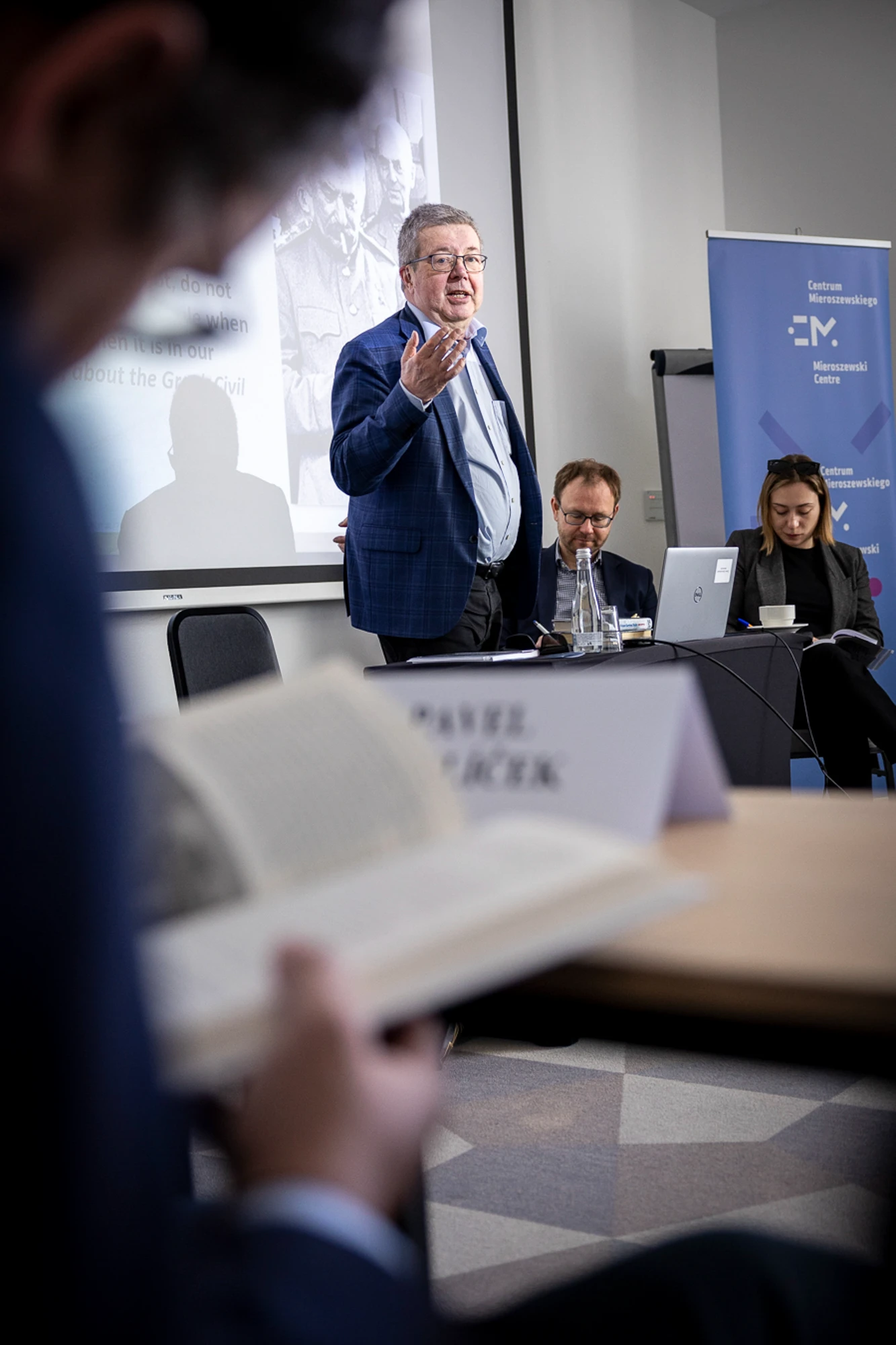
One of the main conclusions of the second session, dedicated to Bartłomiej Gajos’s book Historia, która zabija (History That Kills, Prześwity Publishing, 2026), was that Russian references to the past should not be dismissed as mere rhetorical ornament or the private obsession of political leaders.
Particular attention was devoted to the memory of the Second World War, which in Russian memory politics has undergone a process of near-sacralisation. It has become not only a story of victory, but also one of the foundations of contemporary state identity. Within this framework, war may be presented as a renewed struggle against evil, while participation in it is framed as a moral obligation.
Yet contemporary Russian narratives about the war are not simple continuations of the lived experience of 1939–1945. They are rooted instead in a later model of memory – selective, heroic and stripped of inconvenient facts, repression and the suffering of other nations. What Russian memory politics omits is therefore just as important as what it highlights.
The discussions also stressed the social dimension of these narratives. They do not circulate solely as state-imposed propaganda. In the digital sphere they spread in diffuse, everyday and often barely perceptible ways, becoming embedded in language, imagery and ritual. Their effectiveness stems not only from propaganda itself, but from their integration into ordinary communication.
For the states of the region, this means that Russian statements about history must be treated as indicators of political intent. When Russian elites speak about borders, “historical mistakes” or the “artificiality” of states, this is not merely an academic dispute. Such narratives can prepare the ground for political pressure, disinformation campaigns and, ultimately, violence.
The discussion also returned repeatedly to the problem of Russocentric frameworks that for decades shaped Western approaches to Eastern Europe. The region’s history was often interpreted primarily through the prism of Russia, encouraging the treatment of Russian categories as neutral. The response, however, should not be the creation of counter-propaganda, but rather the systematic exposure of contradictions and omissions within Russian narratives, alongside the restoration of perspectives rooted in the experiences of societies historically subordinated by Moscow.
Law, sovereignty and violence
The third session, based on Katarzyna Wolczuk’s Sovereignty, Patrimonial International Law: Russia’s Attack on Ukraine (Bristol University Press, 2026), shifted the discussion from history to the sphere of law.
A recurring argument throughout the session was that Russia does not openly reject international law. On the contrary, it actively employs its language. The problem lies in the fact that Moscow treats law not as a shared framework constraining all participants in international relations, but as a political instrument.
The discussion repeatedly returned to the claim that Russia’s recognition of Ukrainian sovereignty after 1991 was conditional and instrumental. Behind formal declarations of respect for borders lay mechanisms of dependency – ambiguous provisions, fragmented agreements and arrangements designed to limit Ukraine’s actual independence.
International law was therefore not ignored, but used to create an appearance of normality while preserving instruments of pressure. From this perspective, the full-scale invasion launched in 2022 did not represent a complete break with previous Russian practice, but rather a transition to a more brutal stage of the same political logic.
When political, economic and legal instruments proved insufficient, Russia turned to open military violence. The scale of action changed, but the underlying assumption did not – Ukraine was to remain a state with constrained sovereignty.
Particular importance was attached to the concept of patrimonial sovereignty. This refers to a mode of thinking in which the state and its institutions are treated not as a political community governed by law, but as a space subordinated to power. Within such a framework, agreements remain valid only as long as they correspond to the prevailing balance of power. Once circumstances change, law itself may be reinterpreted or turned against the very party it was meant to protect.
The conclusions drawn from the discussion were far-reaching. First, relations with Russia cannot be analysed solely at the level of declarations. Any agreement must be examined in terms of hidden mechanisms of dependency and potential instruments of coercion. Second, international law remains effective only if violations carry genuine political, economic and legal consequences. Third, responses to Russian actions must combine legal, political, economic and informational tools. Treating these spheres separately leads to delayed and incoherent responses.
At the same time, the case of Ukraine demonstrates that international law is not irrelevant. It can serve as an instrument of defence, documentation of crimes, accountability and coalition-building. Yet it does not function automatically. It requires institutions, expertise, political will and sustained support.
Three discussions, one diagnosis
The three sessions of the fifth edition of the Mieroszewski Round Table — dedicated to Finland, Russian memory politics, and international law — converged around a common question: how should we understand a state that combines military violence, the manipulation of history, and the instrumental use of law?
One key conclusion emerged from the discussions: in responding to Russia, it is not enough to react to individual crises. What is needed is an understanding of the continuity between historical narratives, legal constructs, political pressure, and violence. Compromise can lead to stability only when it is grounded in a real balance of power and effective guarantees. Otherwise, it becomes merely a pause between successive stages of pressure.
