





Atom and independence – could a Ukrainian bomb have stopped the Kremlin?
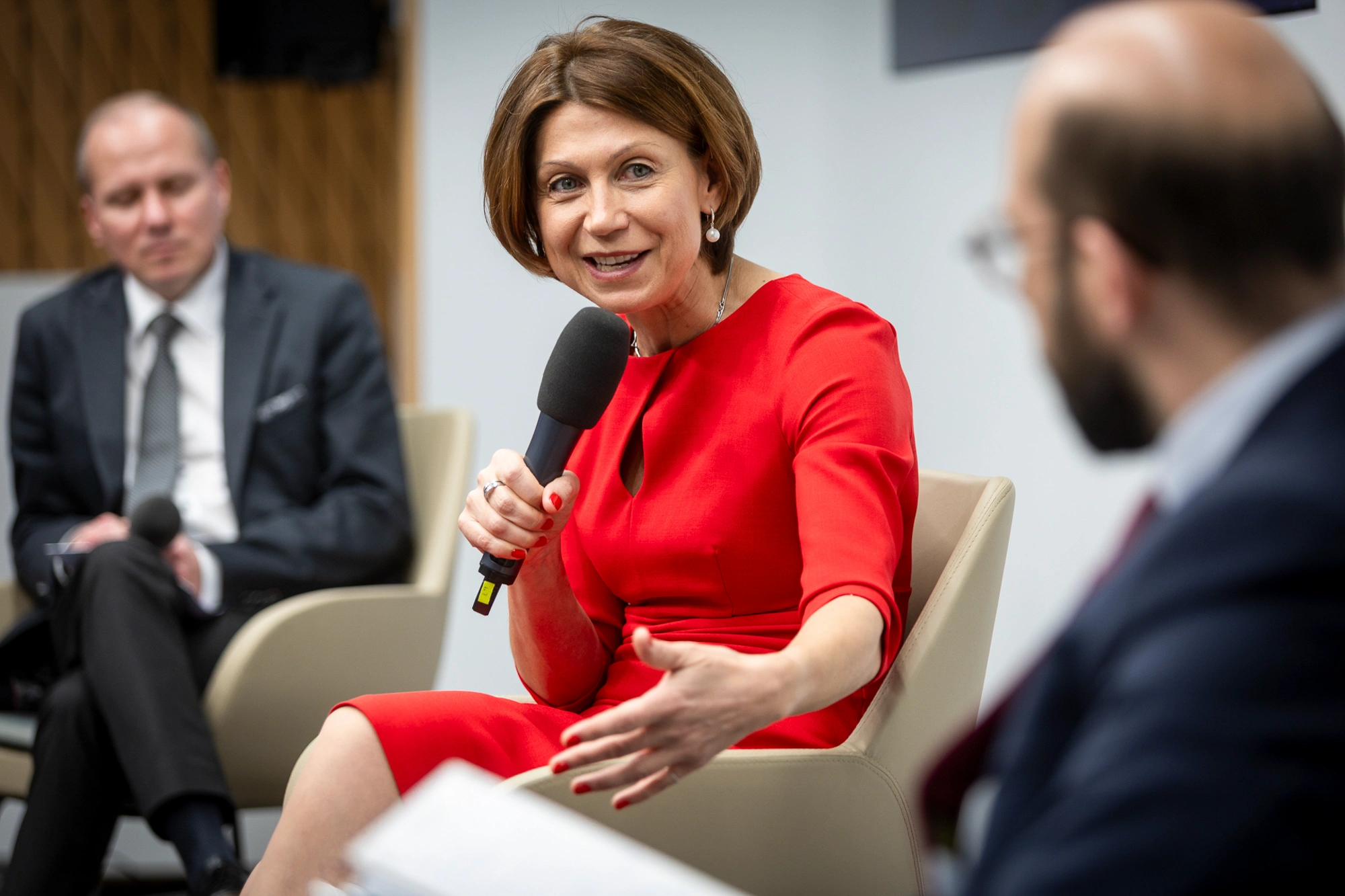
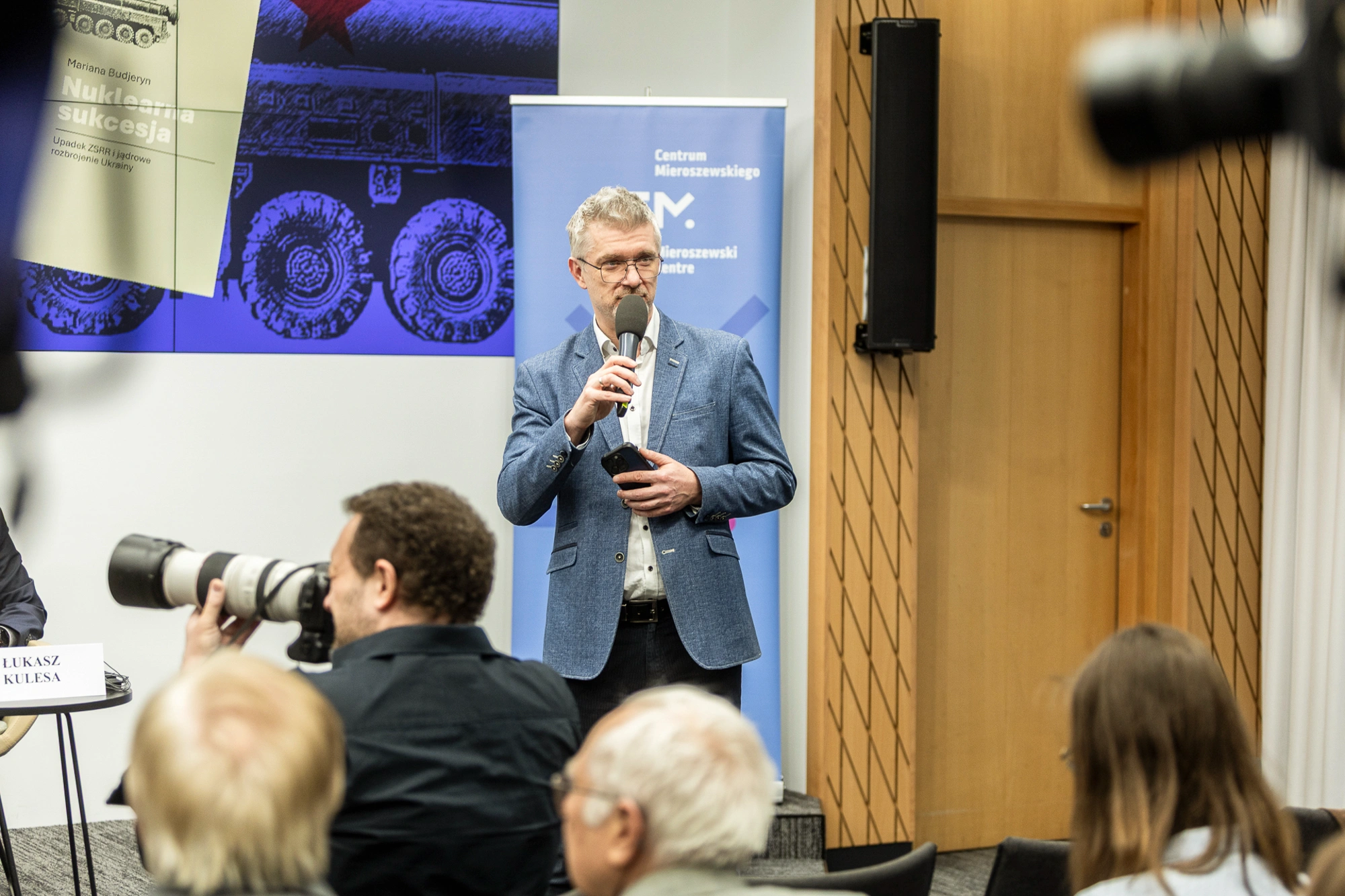
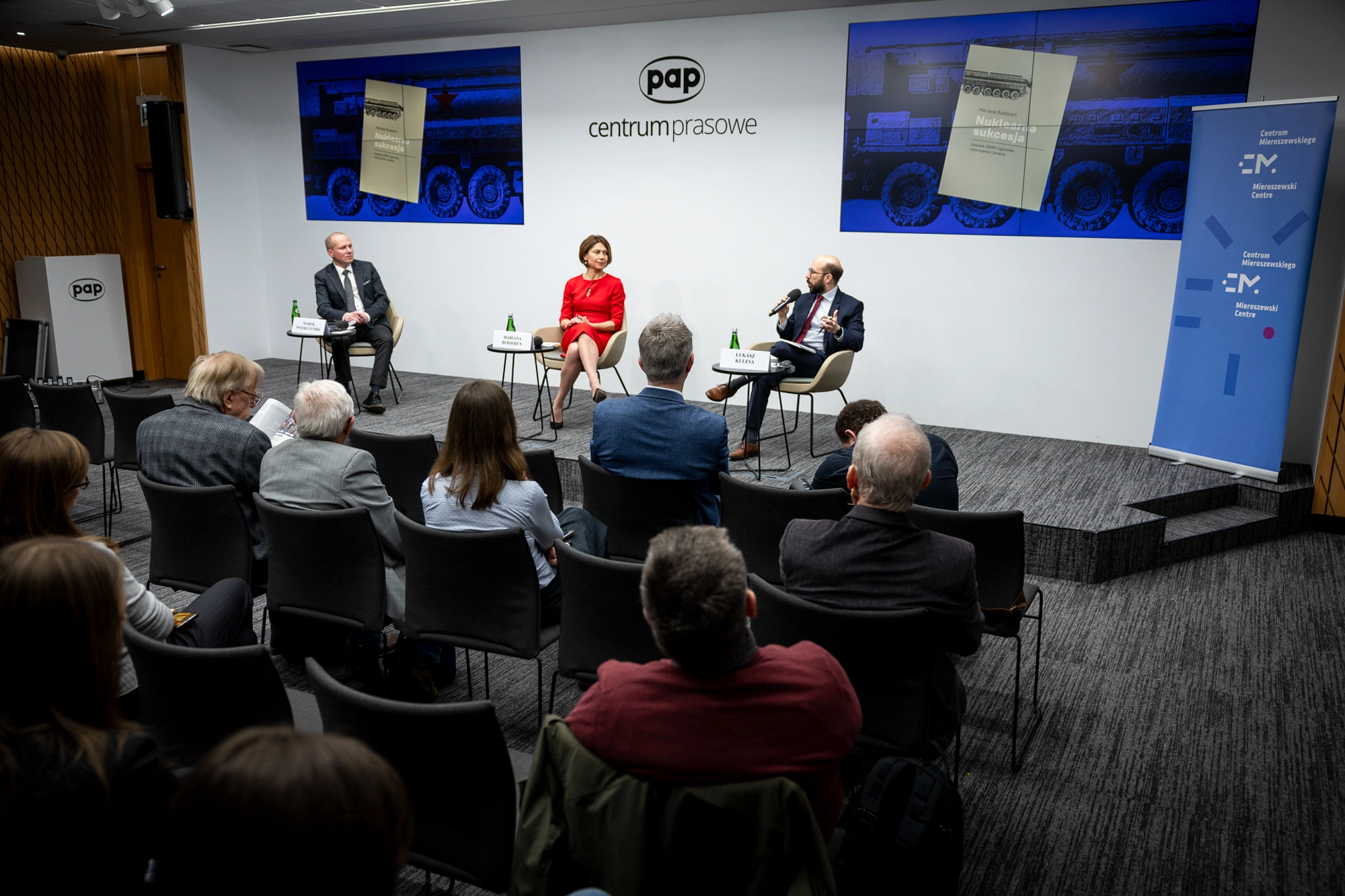
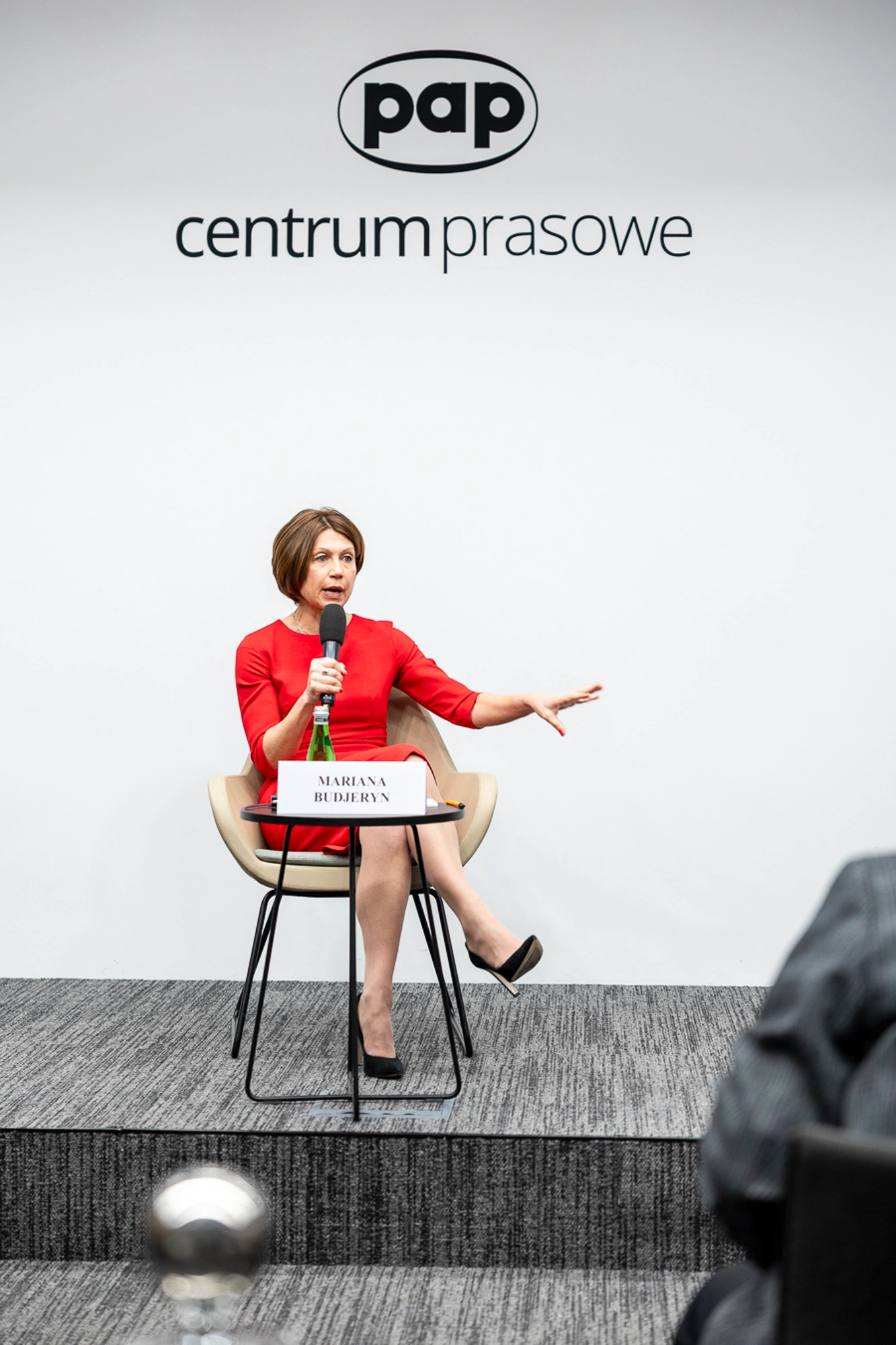
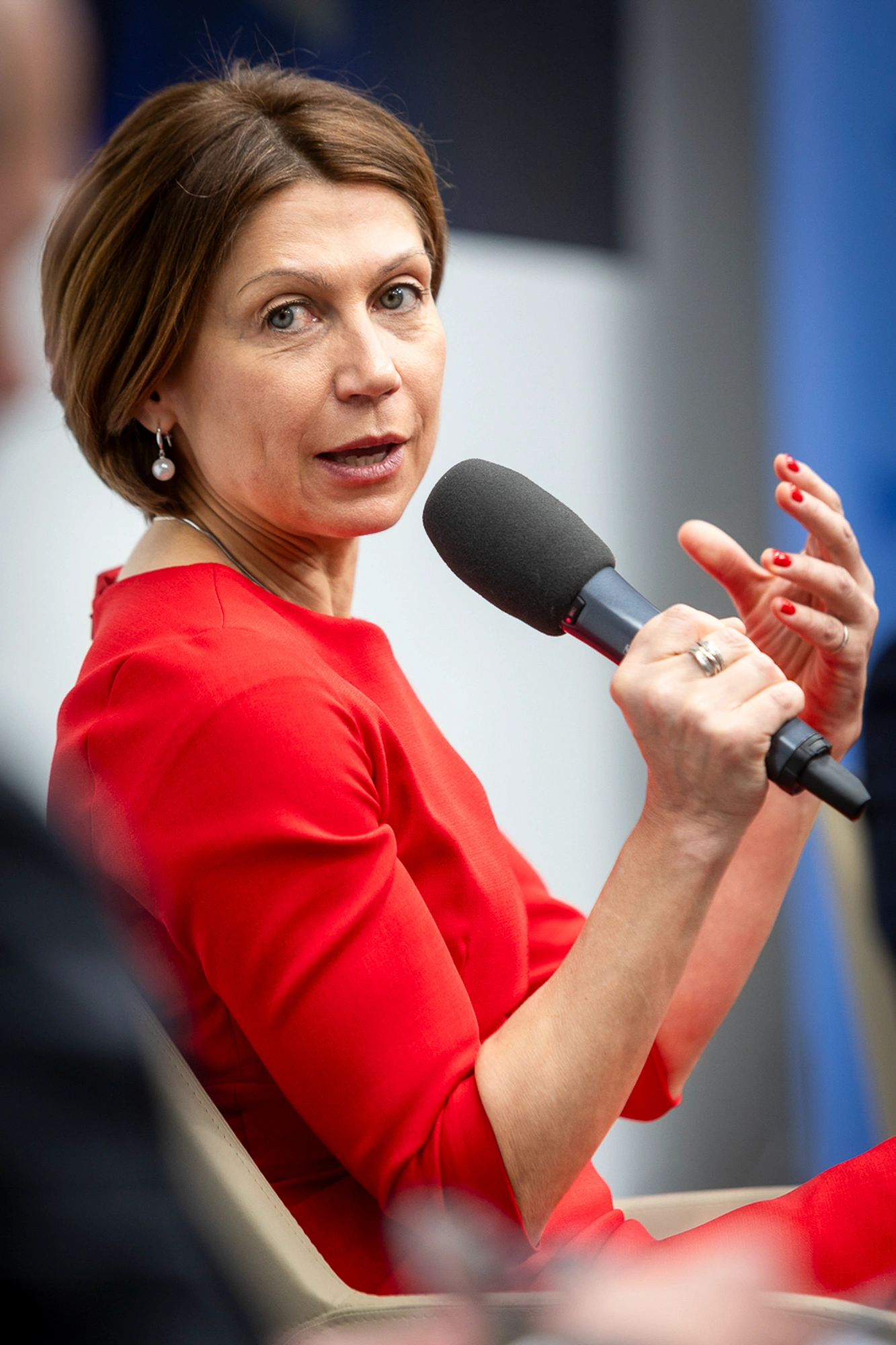
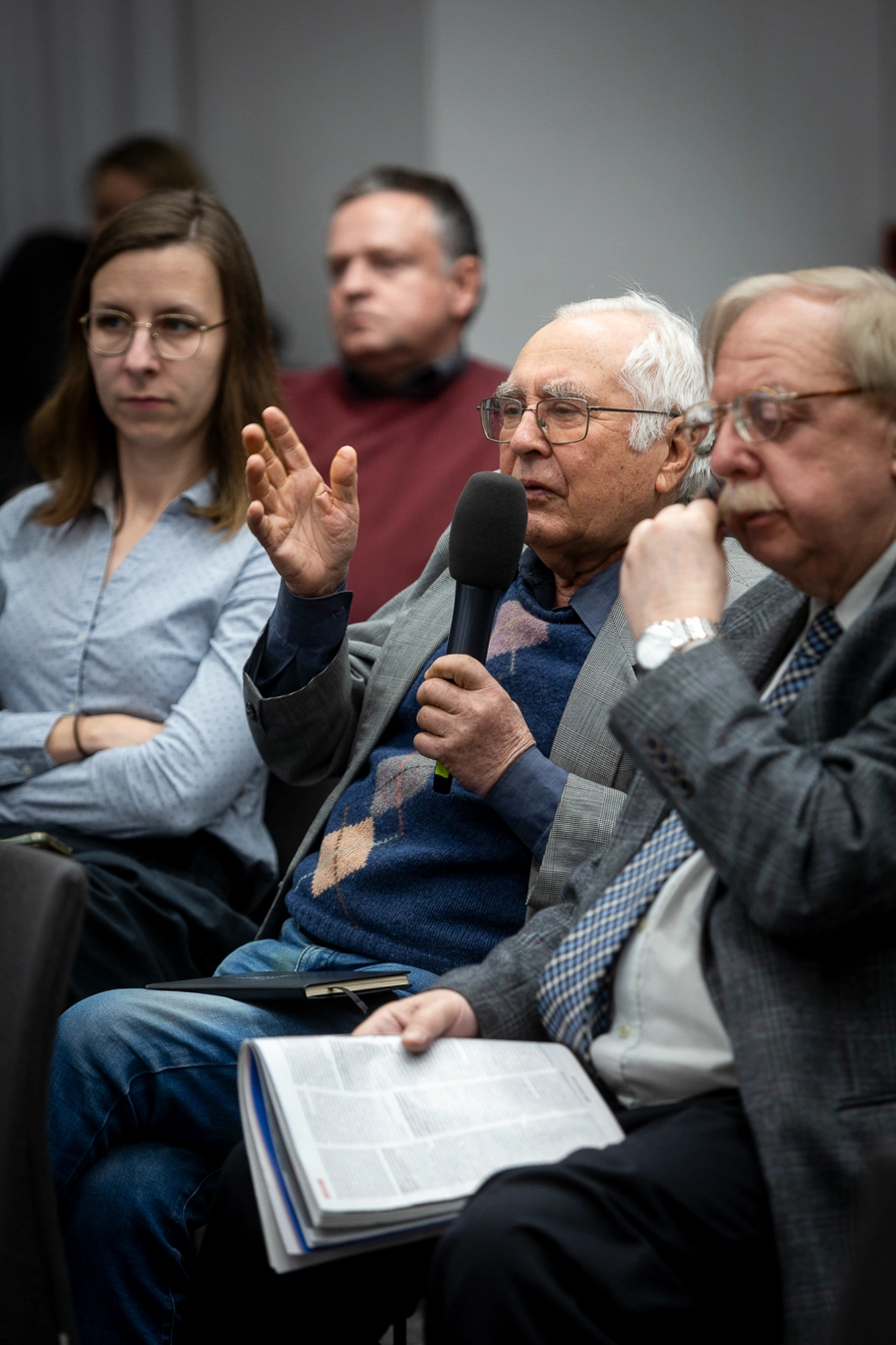
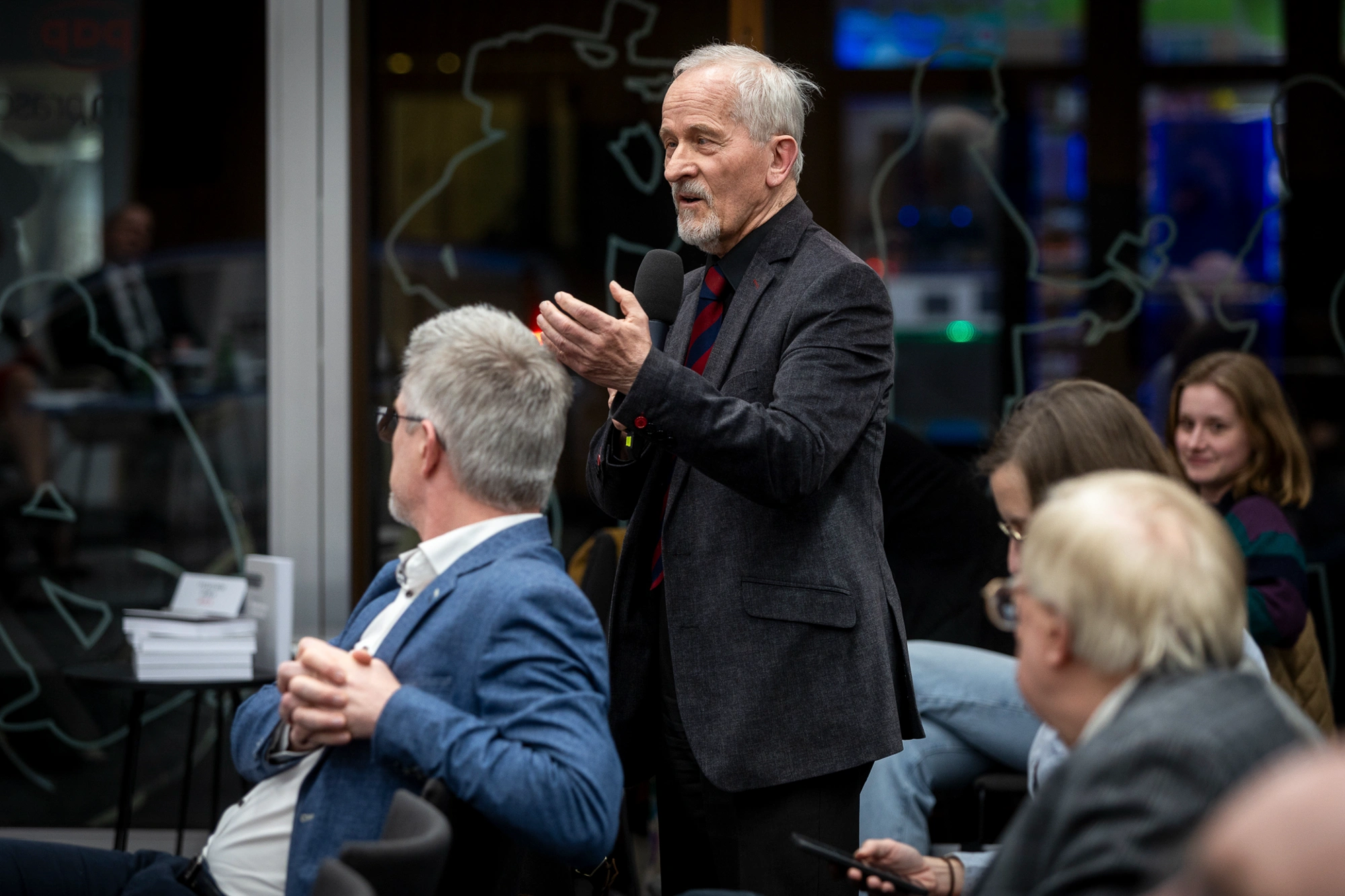
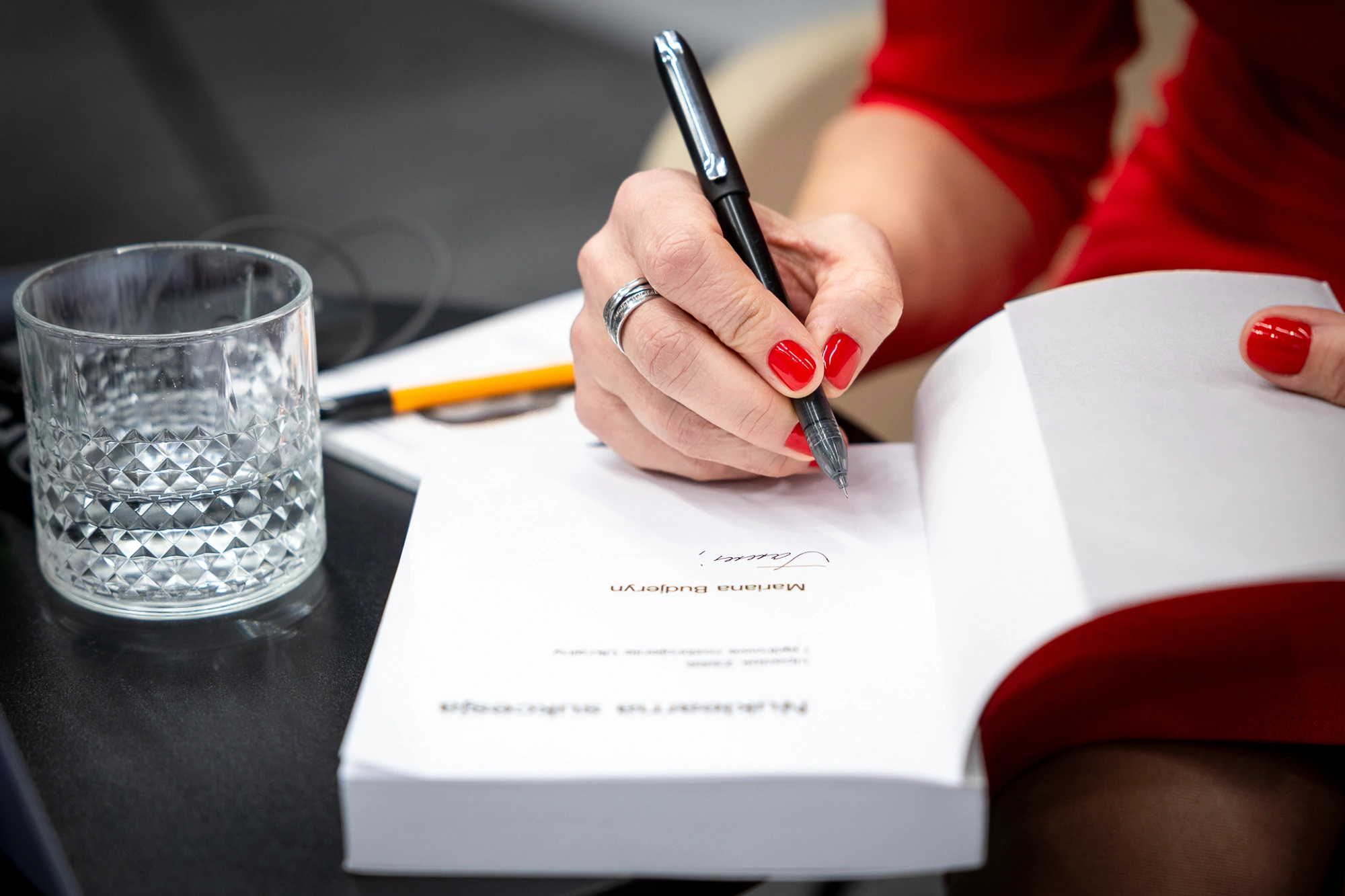
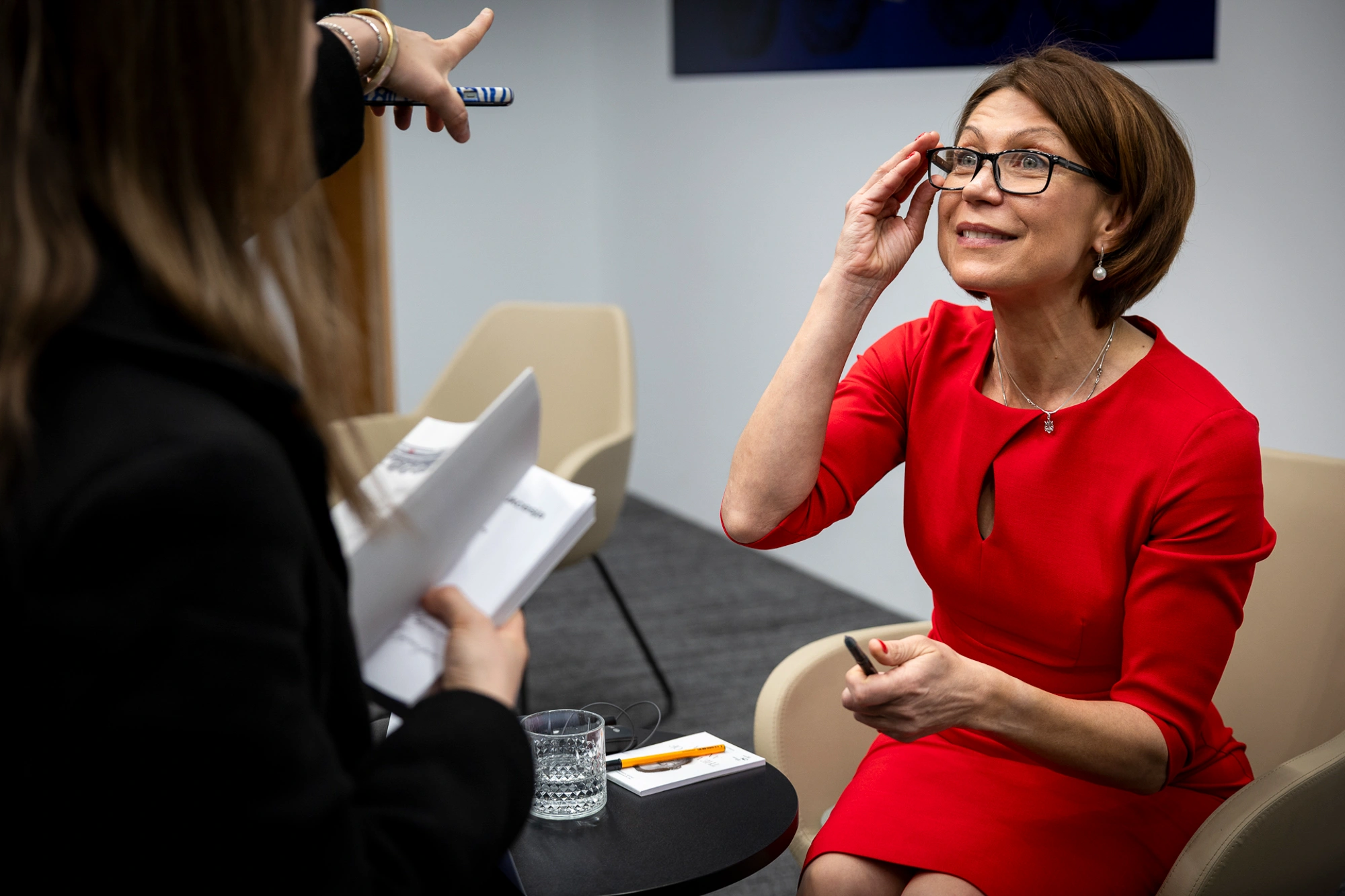
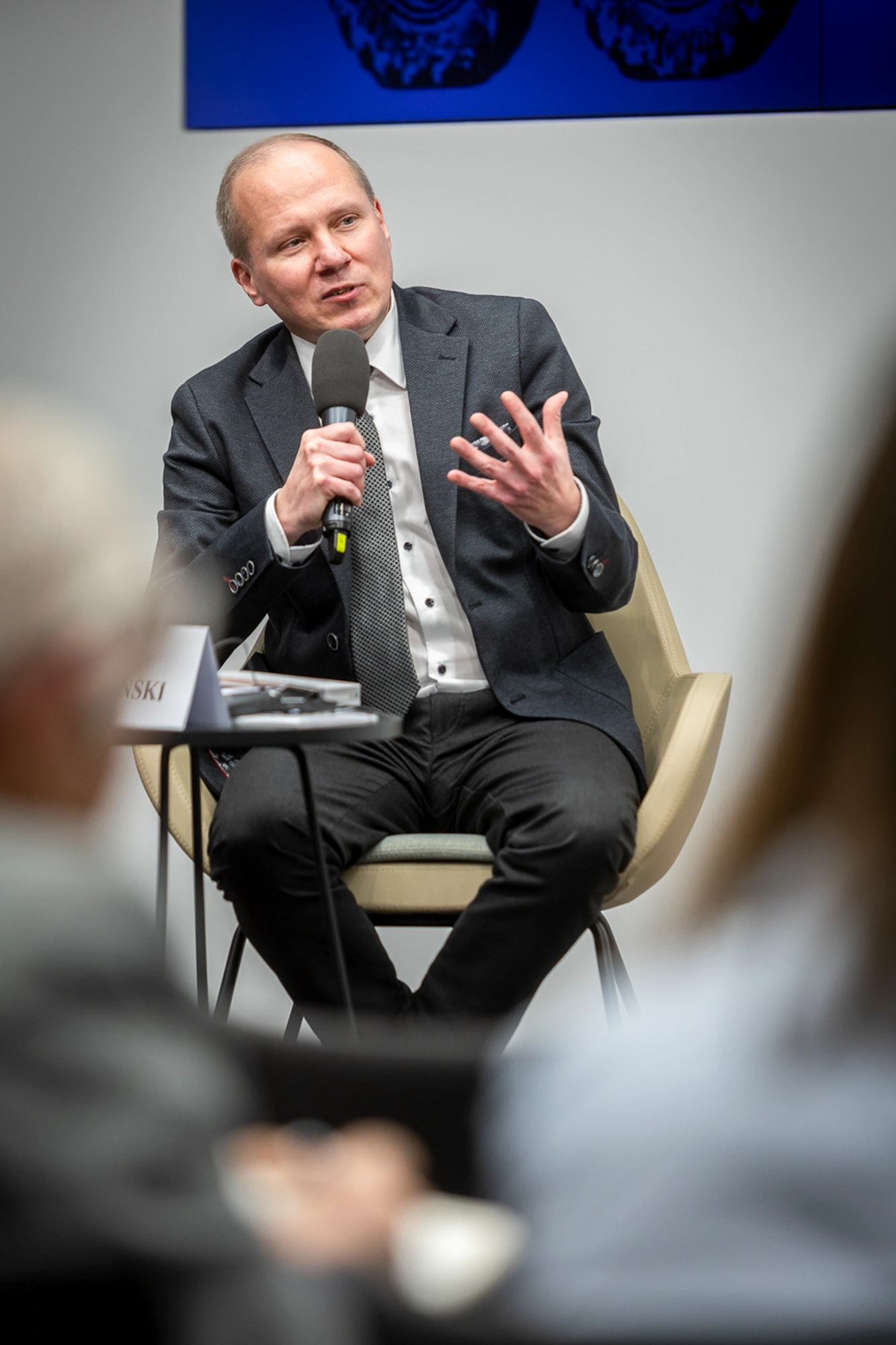
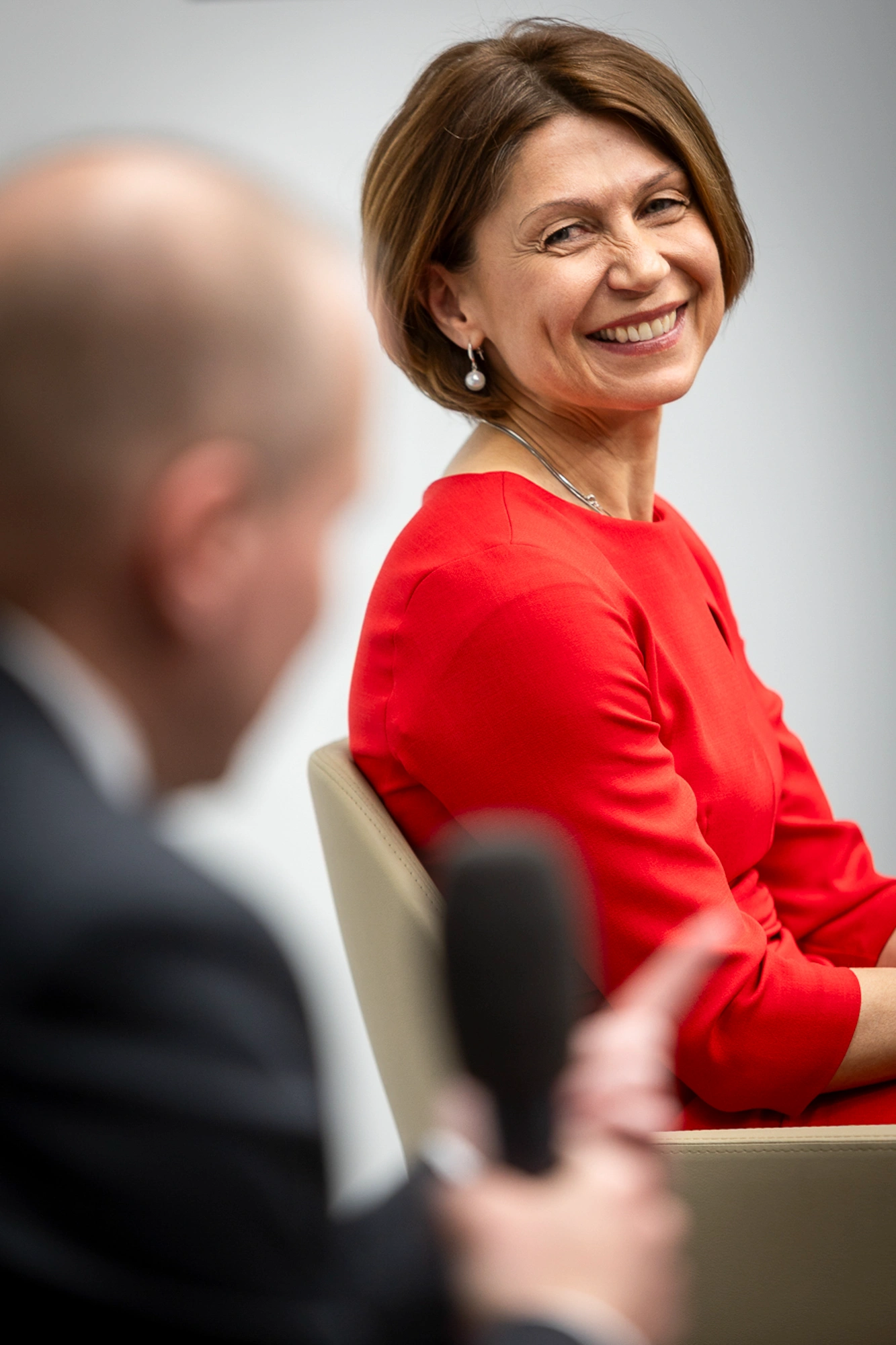
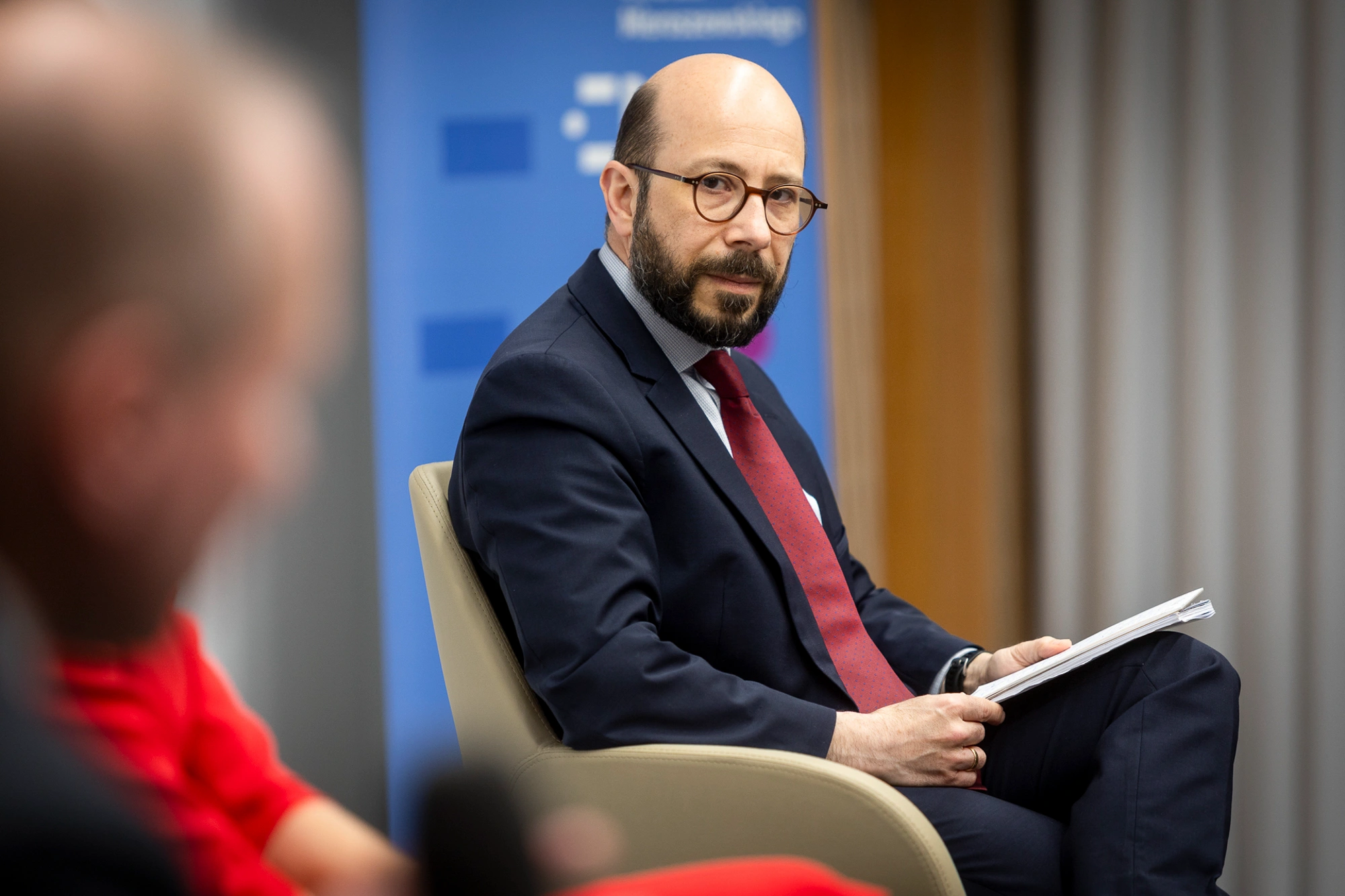
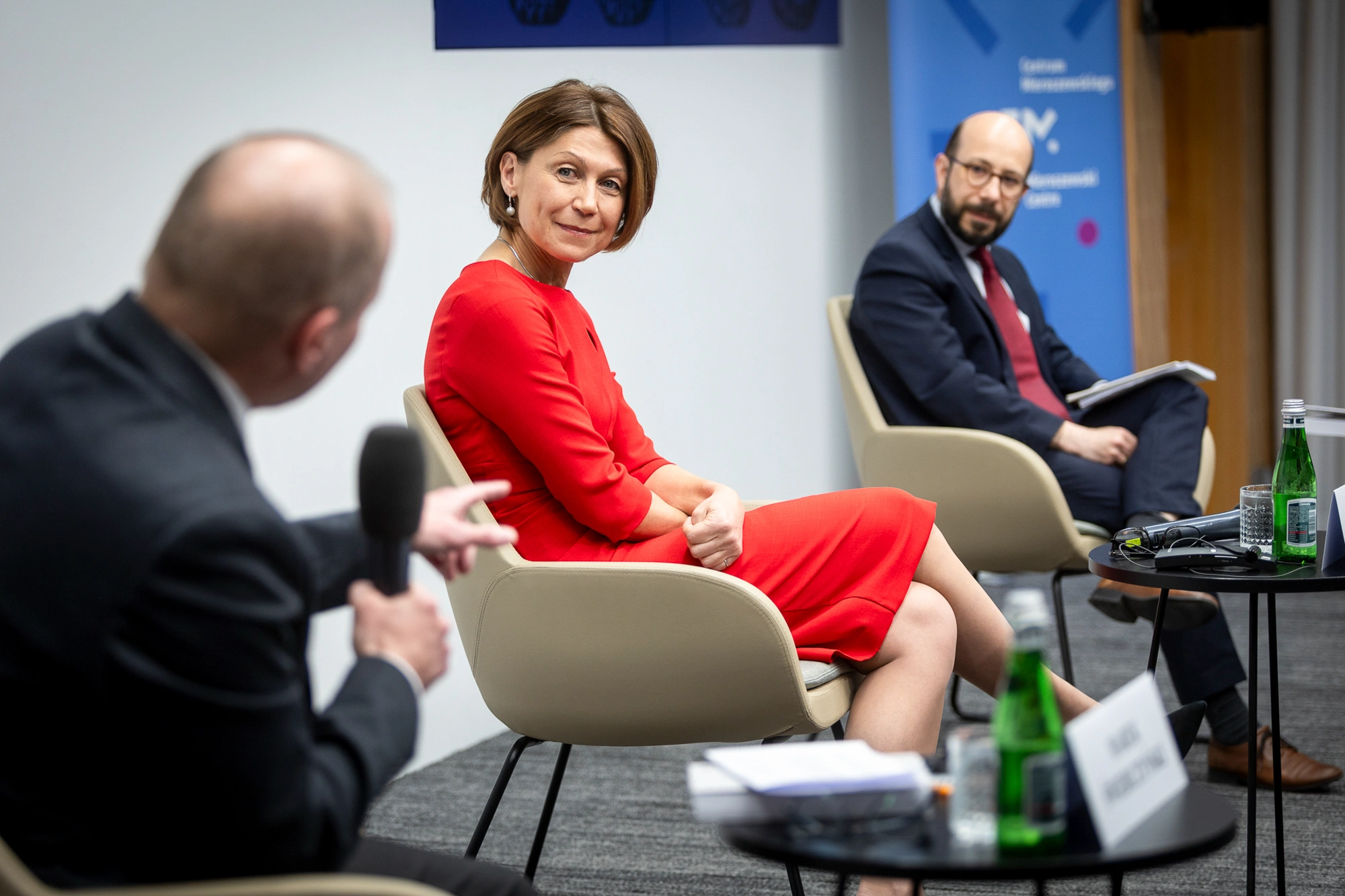
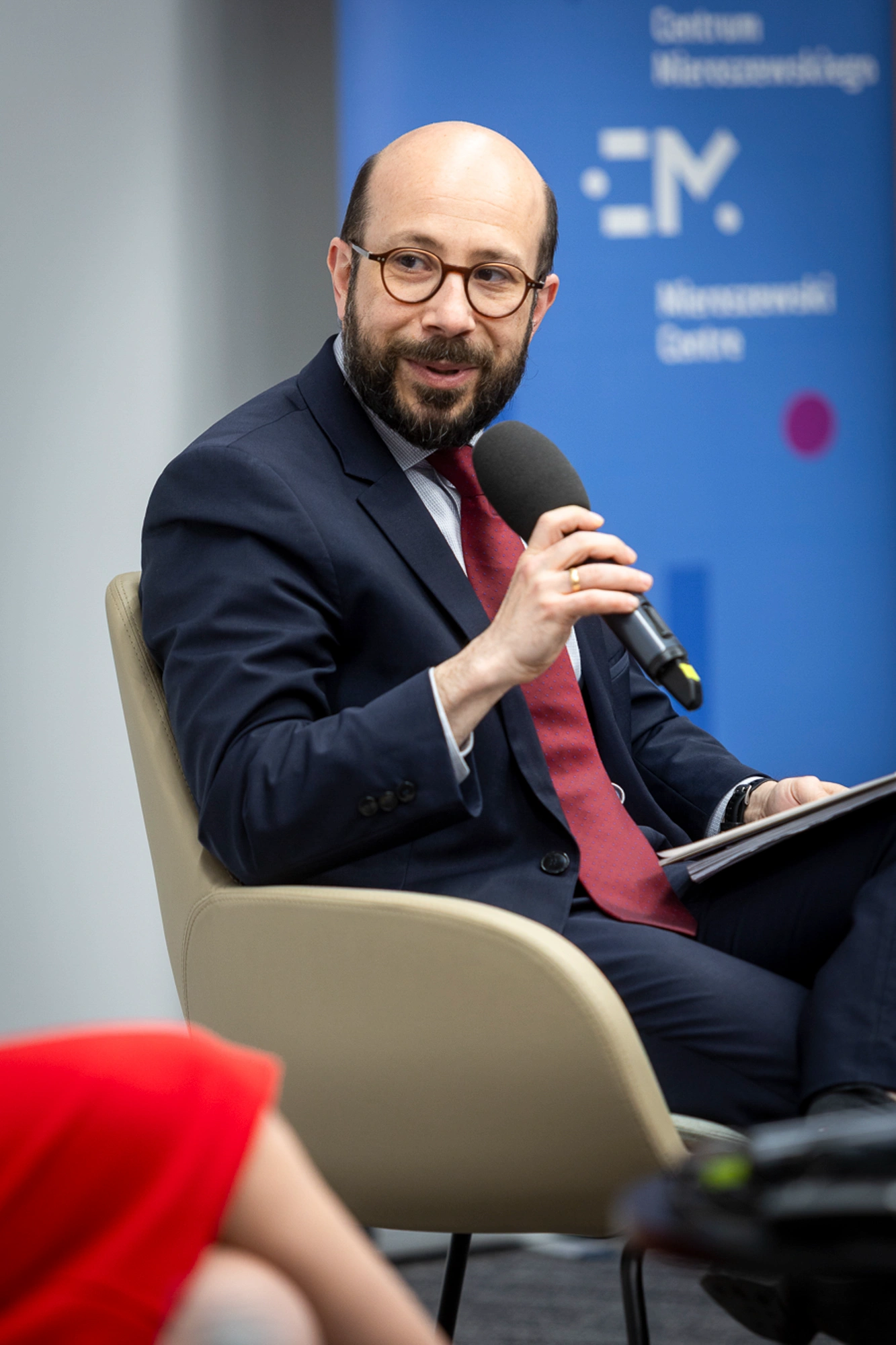
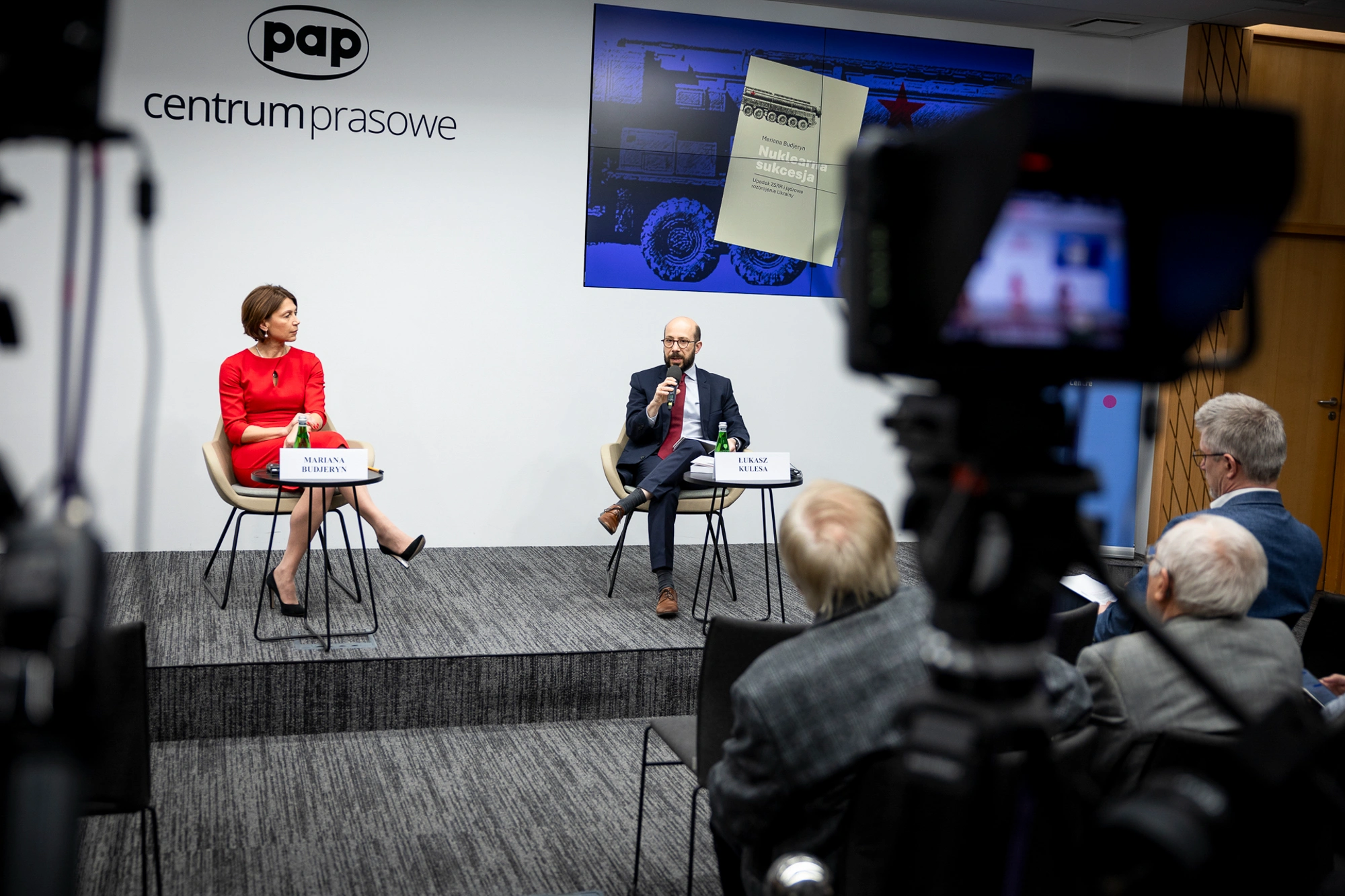
Could Ukraine have stopped history by keeping its nuclear weapons? This question has returned with renewed force—and it is precisely this question that Mariana Budjeryn tackles in her book “Inheriting the Bomb,” which served as the starting point for a discussion organized by the Mieroszewski Centre in Warsaw on April 8.
This is not, however, a book about the past. It is an attempt to bring clarity to one of the most oversimplified debates in contemporary security policy.
The myth of a lost guarantee
One of the book’s central aims is to challenge a seemingly intuitive belief: that had Ukraine retained nuclear weapons, it would be safe today.
This narrative is compelling because it is simple. But as Budjeryn shows, that simplicity is precisely its weakness. The story of Ukraine’s denuclearization is not about a lost “magic shield,” but about decisions made under conditions of profound uncertainty, constraint, and pressure.
What it really means to “have nuclear weapons”
One of the book’s key contributions is to shift the focus from the number of warheads to the actual capabilities of the state.
Ukraine inherited a vast nuclear arsenal from the Soviet Union—but not full control over it. It lacked a complete command-and-control system, technological infrastructure, and the resources necessary to turn that arsenal into a credible deterrent.
Nuclear weapons are not something a state can simply “possess.” They are a complex system—political, technological, and financial.
A state “in between”
Budjeryn shows that Ukraine found itself in an unprecedented position—between the categories that structure the nuclear order.
“Ukraine was not a nuclear-weapon state in the sense defined by the Non-Proliferation Treaty. But neither was it a normal non-nuclear state. In a sense, it was a country in between.”
— Mariana Budjeryn
This ambiguity makes Ukraine’s case difficult to compare to any other.
A decision that was not inevitable
The book also makes clear that Ukraine’s denuclearization was not simply the result of external pressure.
There were earlier commitments to becoming a non-nuclear state—linked both to the legacy of Chernobyl and to broader aspirations of sovereignty and integration into the international community.
At the same time, these decisions were made under conditions of deep asymmetry—vis-à-vis both the United States and Russia, which, despite their differences, shared an interest in removing nuclear weapons from Ukraine.
The most important conclusion of the book, however, does not concern the decision to disarm itself—but what came after. The Budapest Memorandum was meant to provide Ukraine with security assurances, yet in practice it proved far weaker than commonly assumed.
“It is not the text that deters. What deters are decades of joint planning, exercises, military presence, and command structures.”
— Mariana Budjeryn
Without such structures, even the strongest commitments remain political declarations.
The temptation of simple answers
Today, the debate increasingly returns to a simple equation: nuclear weapons equal security. As Łukasz Kulesa pointed out, this line of thinking can be deeply misleading:
“I fear that the dominant narrative will be that nuclear weapons equal absolute security, and their absence invites aggression. In reality, the picture is far more complex.”
— Łukasz Kulesa
This tension between political intuition and historical complexity becomes most visible in the events of 2014.
Russia’s aggression against Ukraine exposed the limitations of the security framework built in the 1990s. Ukraine attempted to invoke the Budapest Memorandum—but it became clear that no mechanisms existed to enforce its provisions. Not because the document was entirely meaningless, but because it had never been backed by sustained political and military commitments.
It was at this moment that a simplified narrative began to take hold: that Ukraine had “given up its weapons for nothing.” As Budjeryn shows, this interpretation not only ignores the context of the original decisions but also leads to dangerous conclusions for the future.
“Nuclear weapons are not a silver bullet for security.”
Possessing an arsenal does not eliminate threats—and maintaining one comes with enormous costs, risks, and long-term political consequences.
Security as a system
The key lesson of this history, therefore, is not about the decision to give up nuclear weapons—but about what followed.
Security does not stem from a single factor—even one as powerful as nuclear weapons. It is the product of a system: alliances, institutions, military cooperation, and credible commitments.
It is precisely the absence of such a system—not the decision to disarm—that is crucial to understanding Ukraine’s situation today.
