

Strategic Dialogue: Armenia – NATO’s Eastern Flank
With Russia’s influence waning and NATO’s role – particularly on its Eastern Flank – growing stronger, the security of Central and Eastern Europe and the South Caucasus is gaining increasing importance.
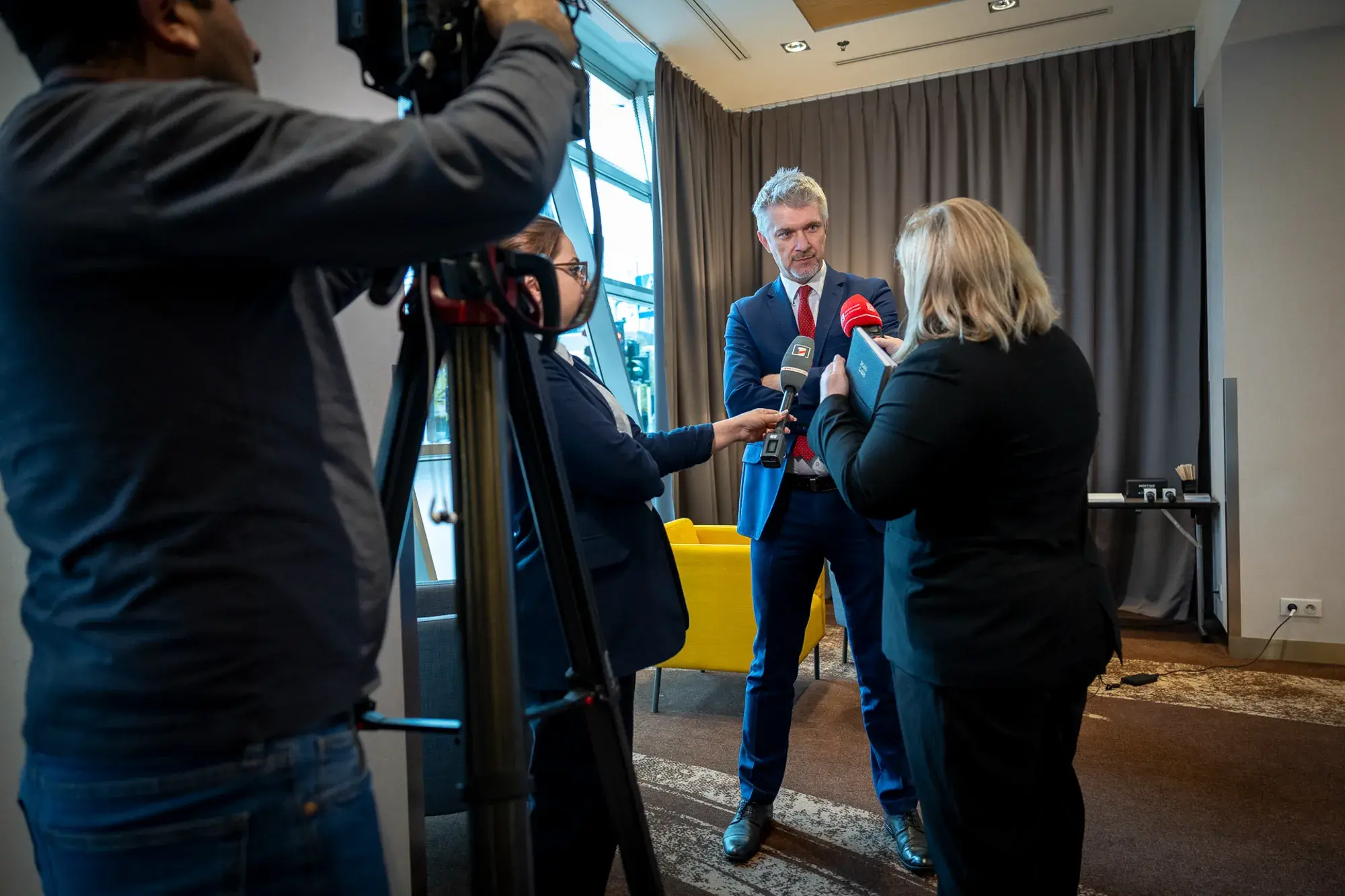
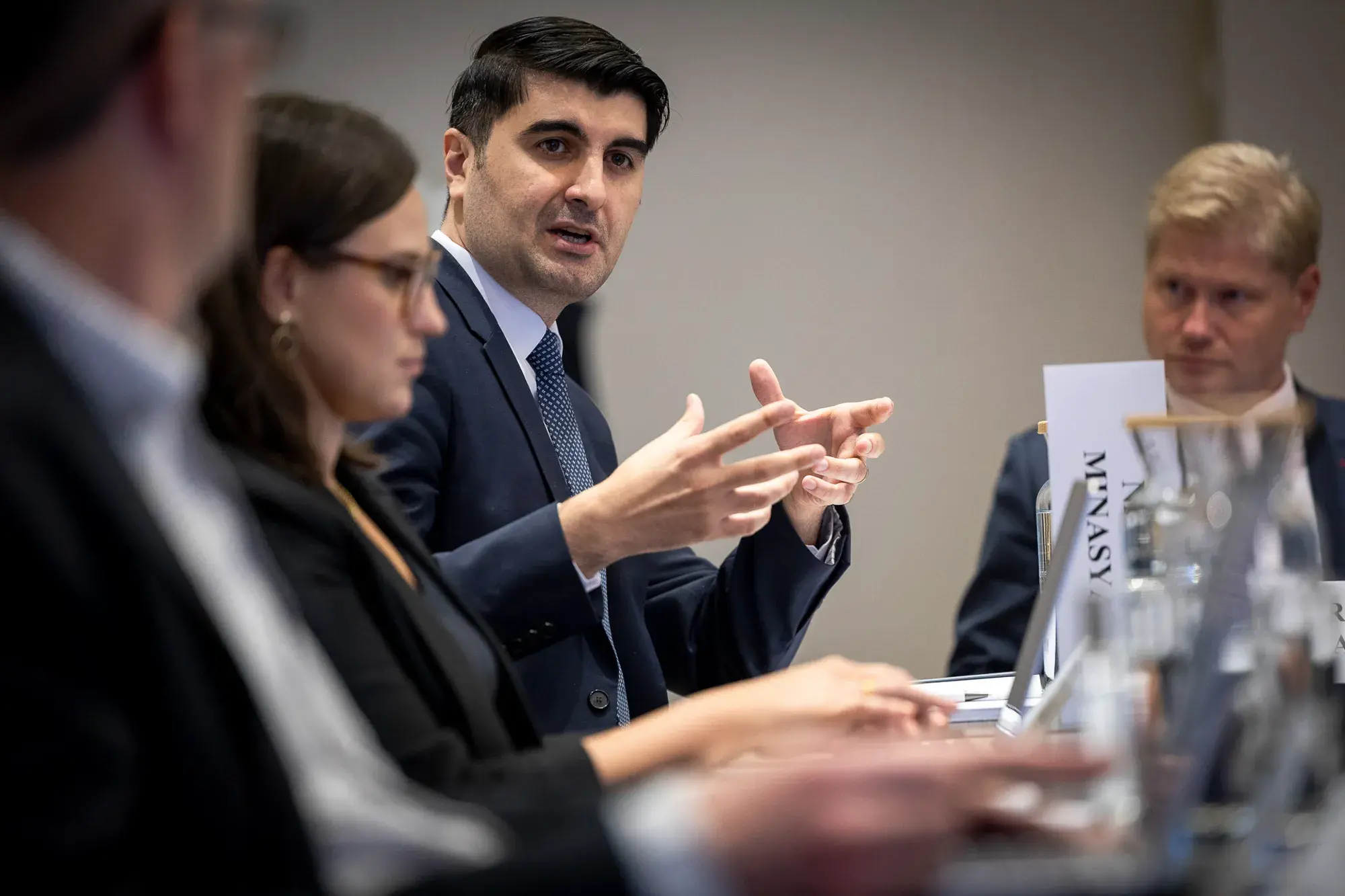
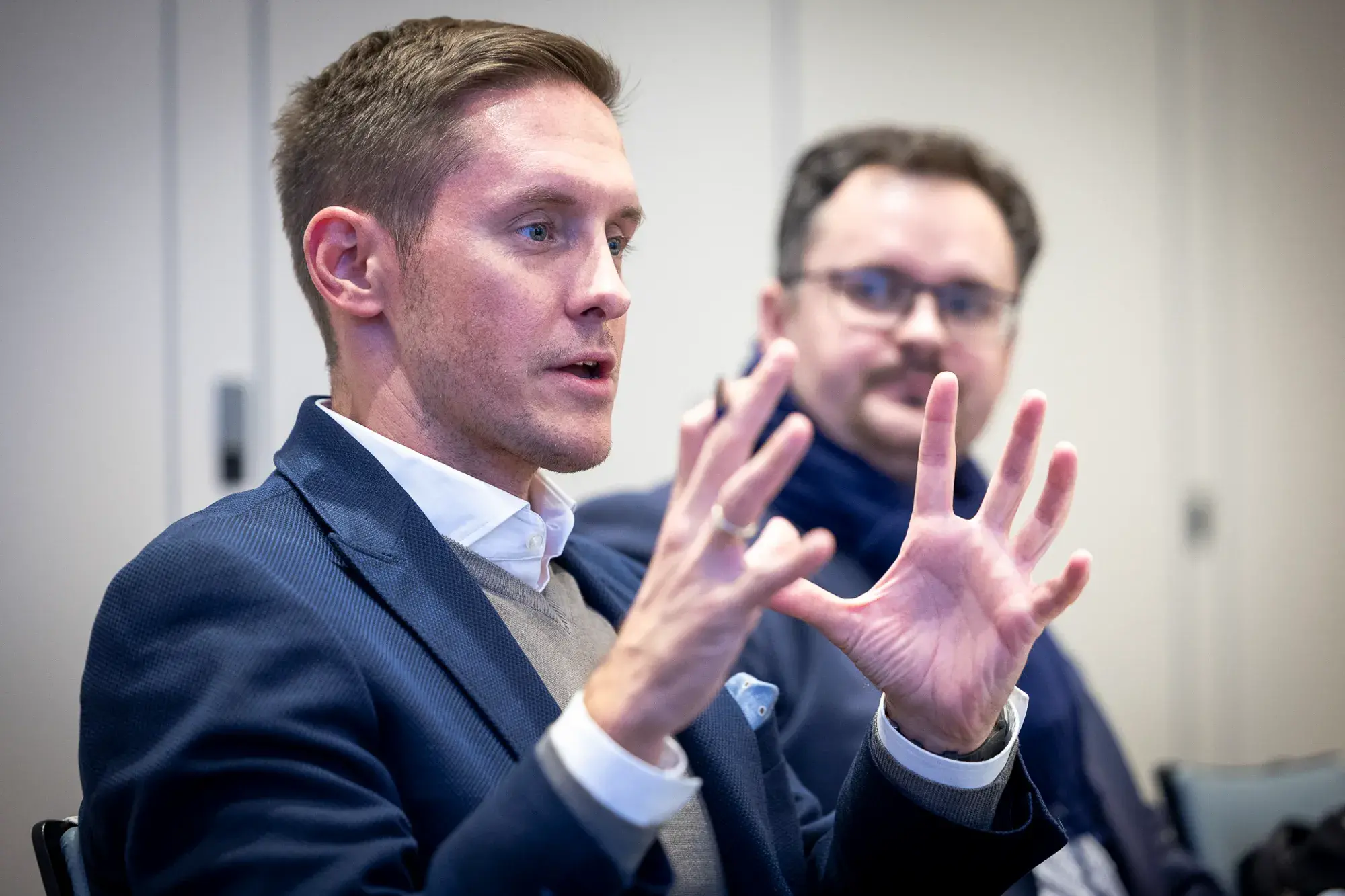
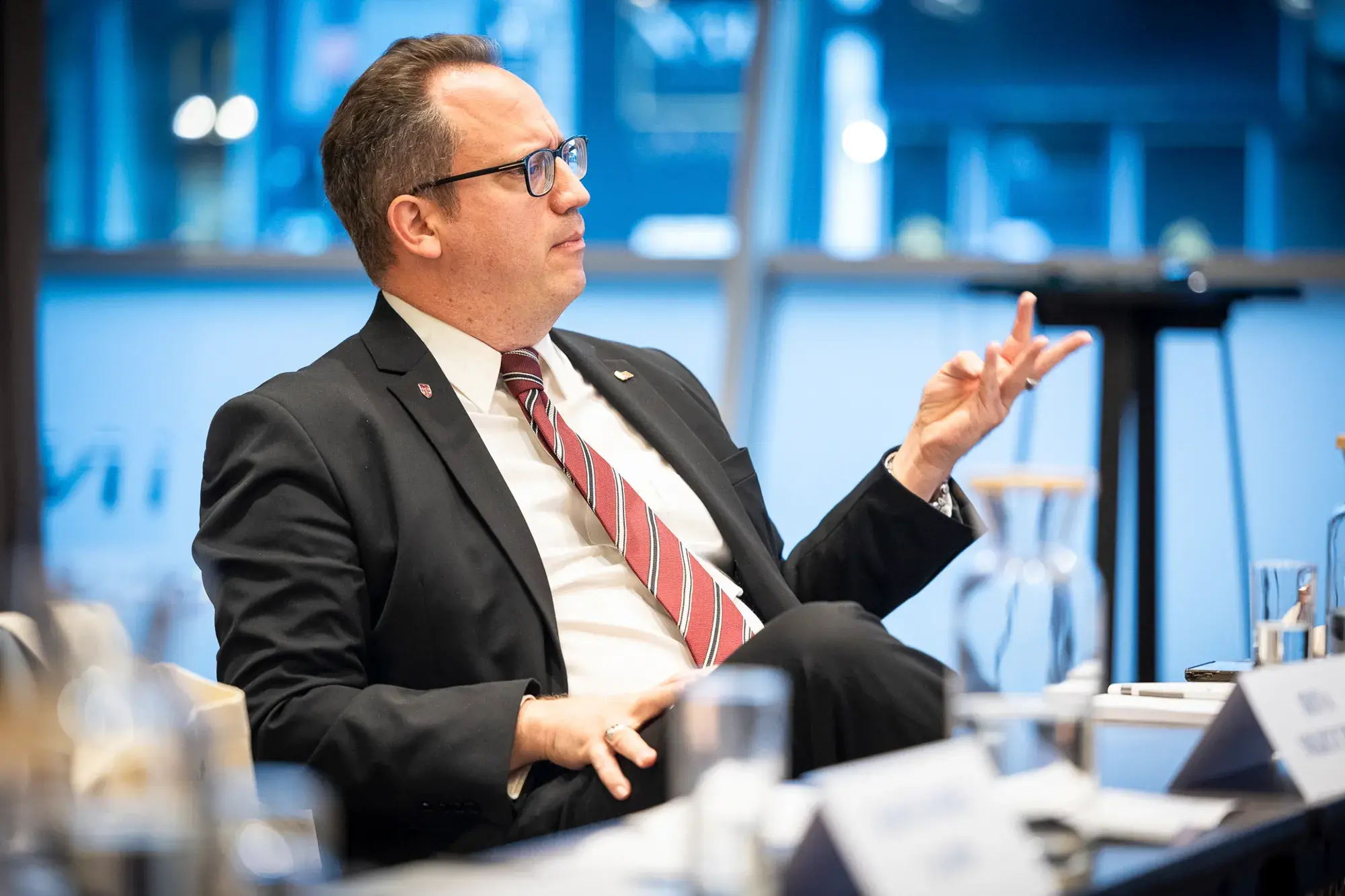
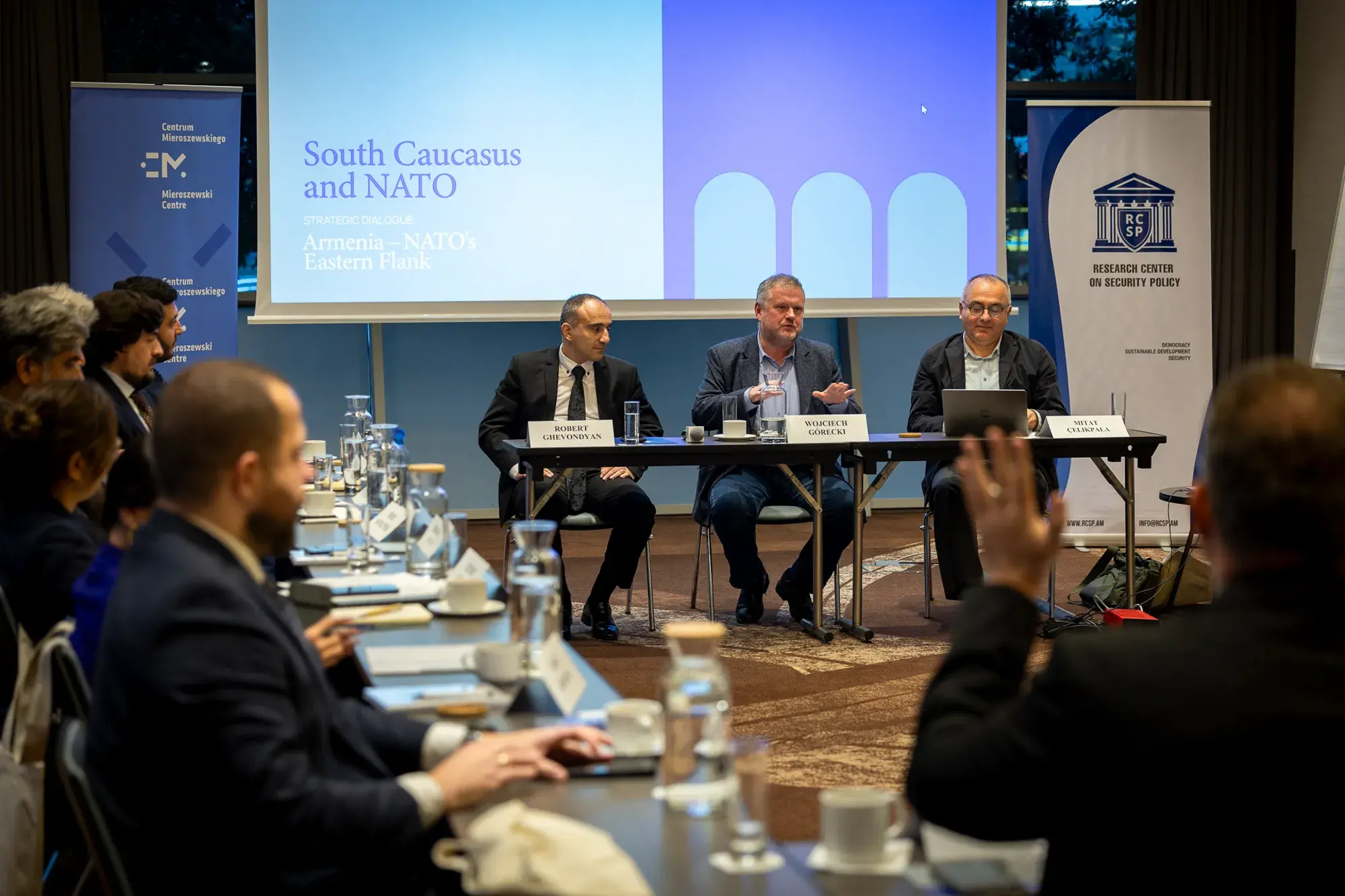
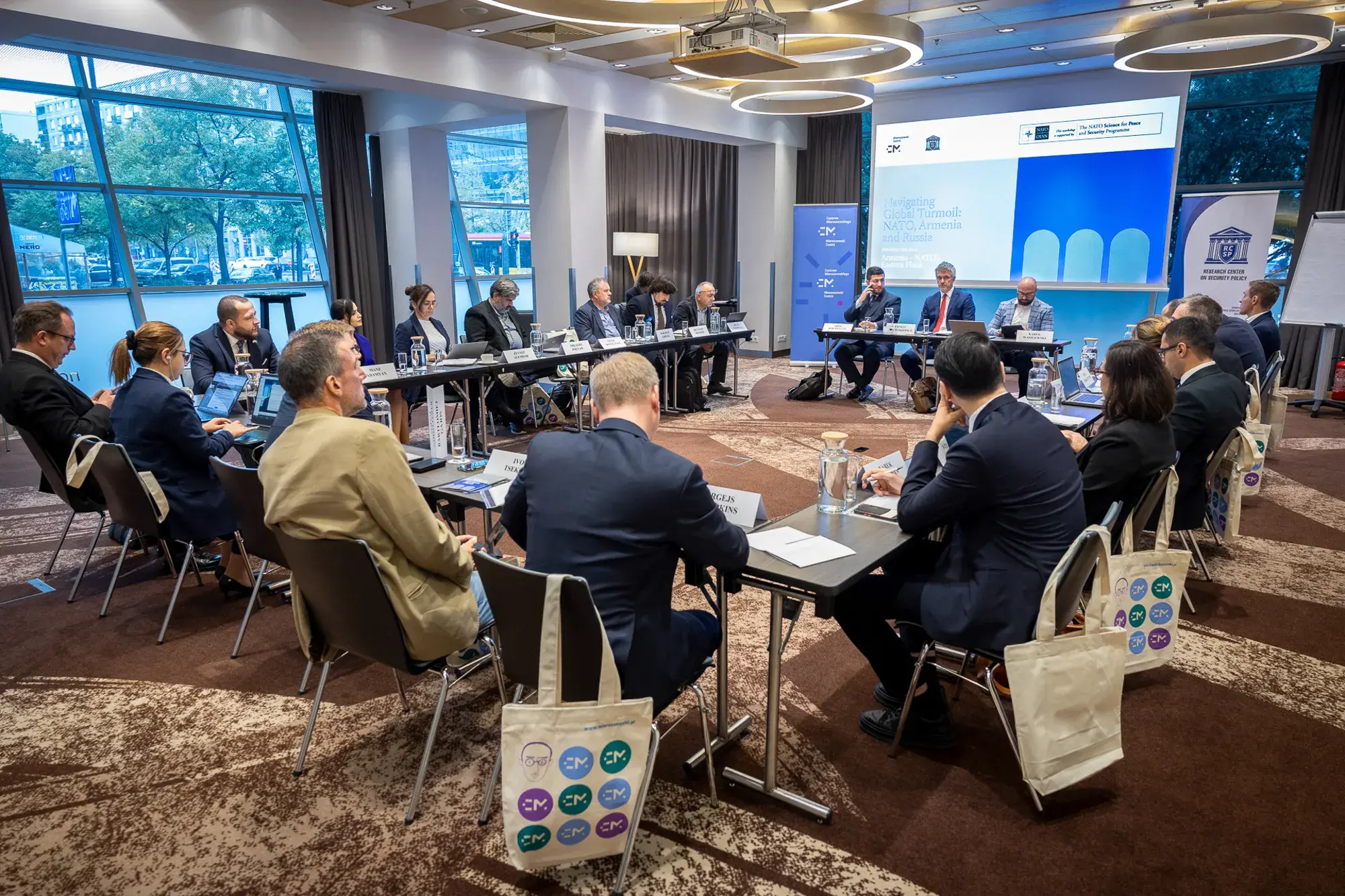
Against this backdrop, the Mieroszewski Centre, in cooperation with the Research Center on Security Policy (RCSP) from Armenia, organised the international conference “Strategic Dialogue: Armenia – NATO’s Eastern Flank” in Warsaw, held with the support of NATO under the Science for Peace and Security (SPS) Programme.
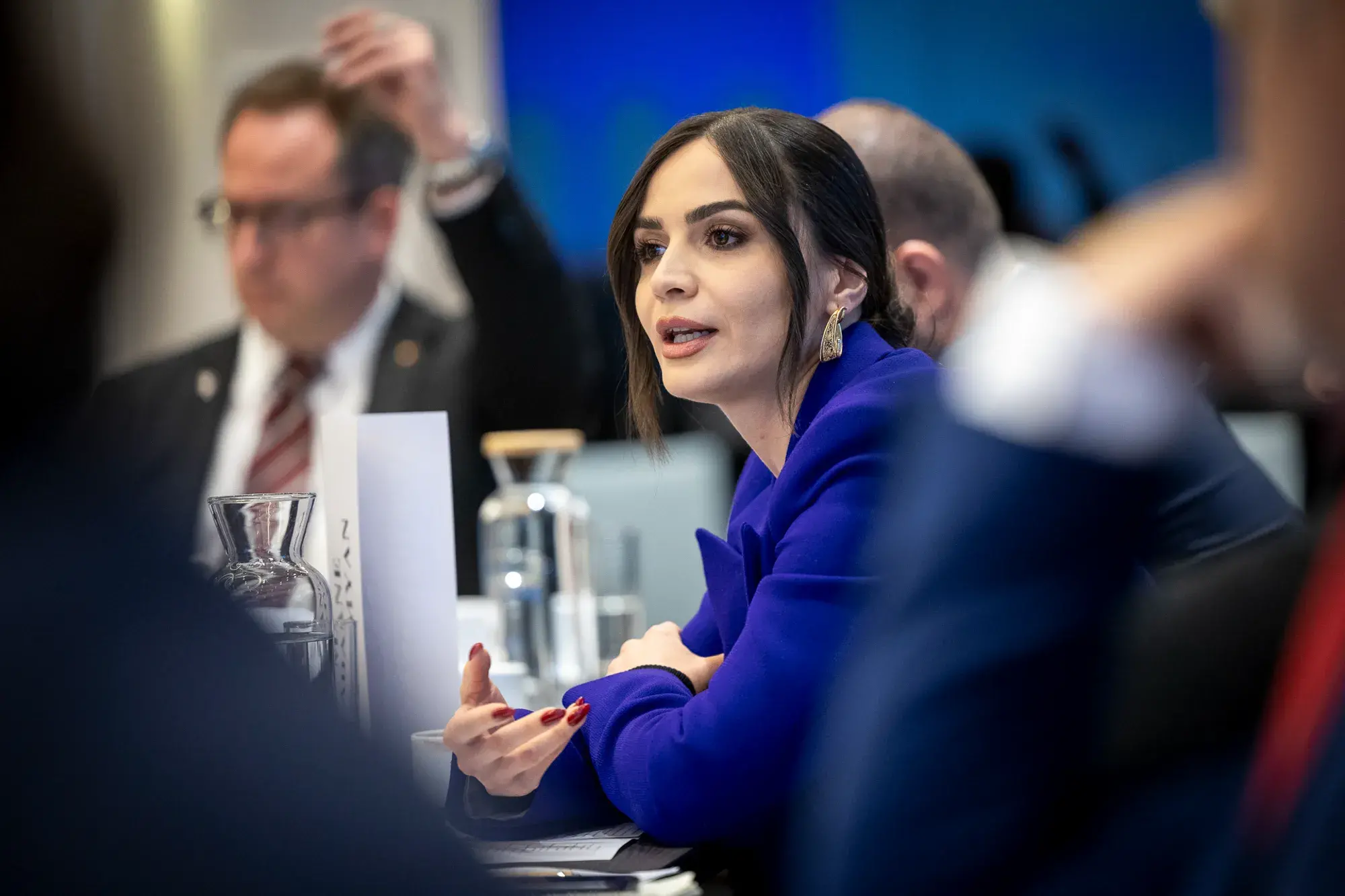
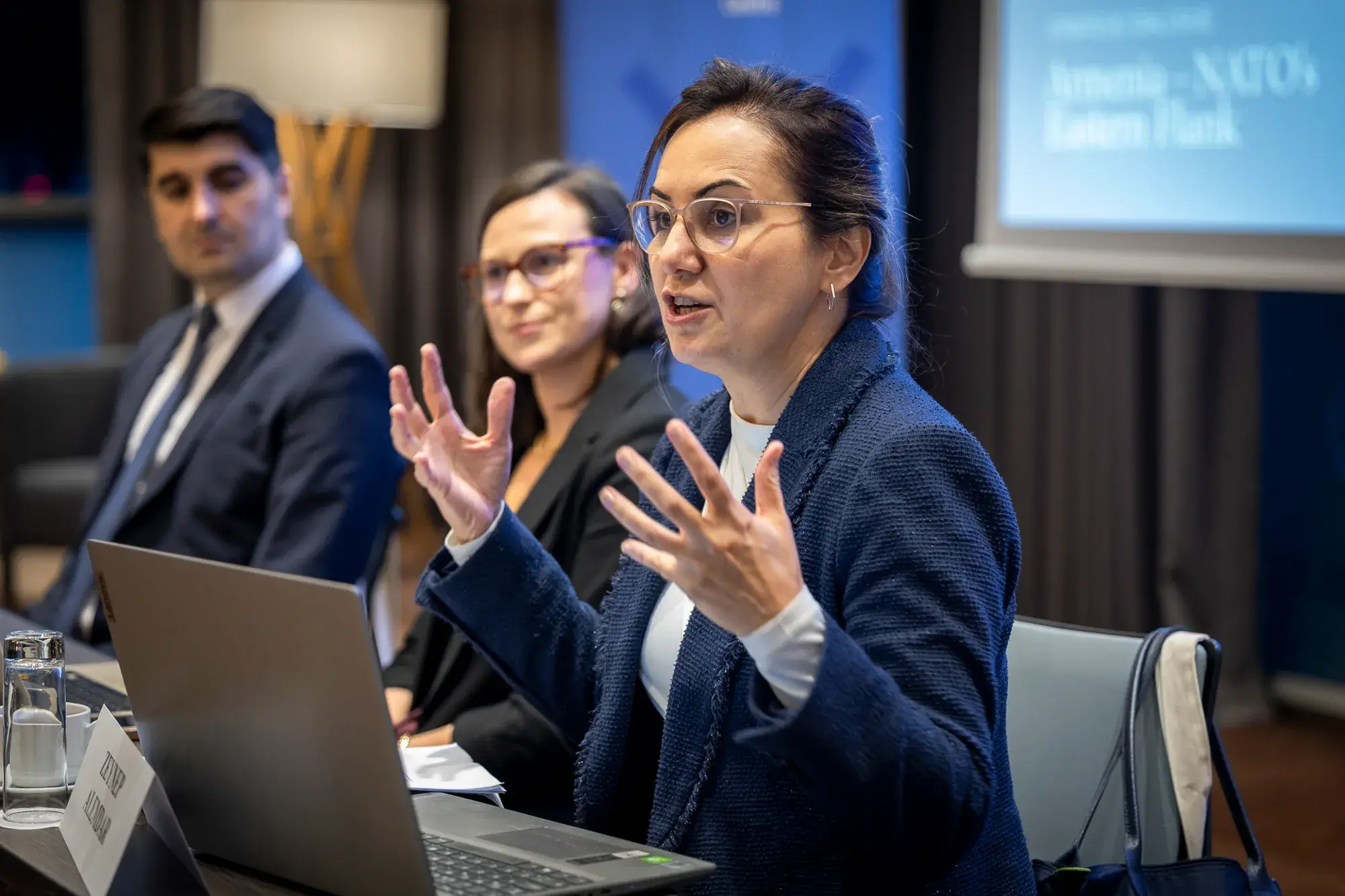
The goal of the event was to create a space where experts, analysts, and policymakers from Poland, Armenia, and NATO member states (including Eastern Flank countries and Türkiye) could discuss regional security challenges and perspectives. The meeting was designed as a strategic dialogue bringing together the experiences of Central and Eastern Europe and the South Caucasus — to exchange ideas, formulate analyses, and develop practical recommendations.
Navigating Global Turmoil: NATO, Armenia and Russia
The first panel focused on the shifting balance of power in Eastern Europe and the South Caucasus. The discussion centered on the consequences of Russia’s declining influence, NATO’s strengthening presence, and the ongoing redefinition of regional security.
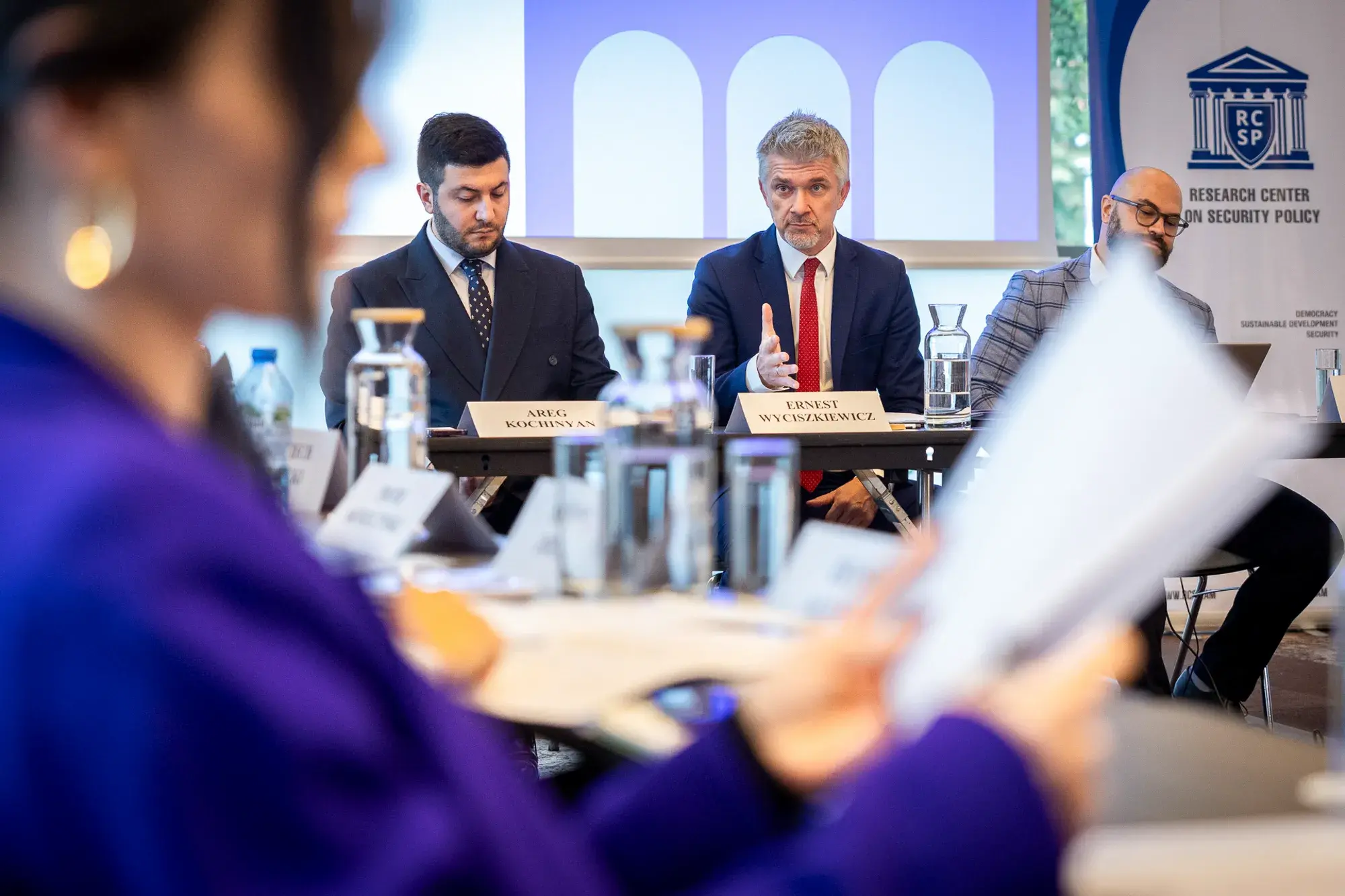
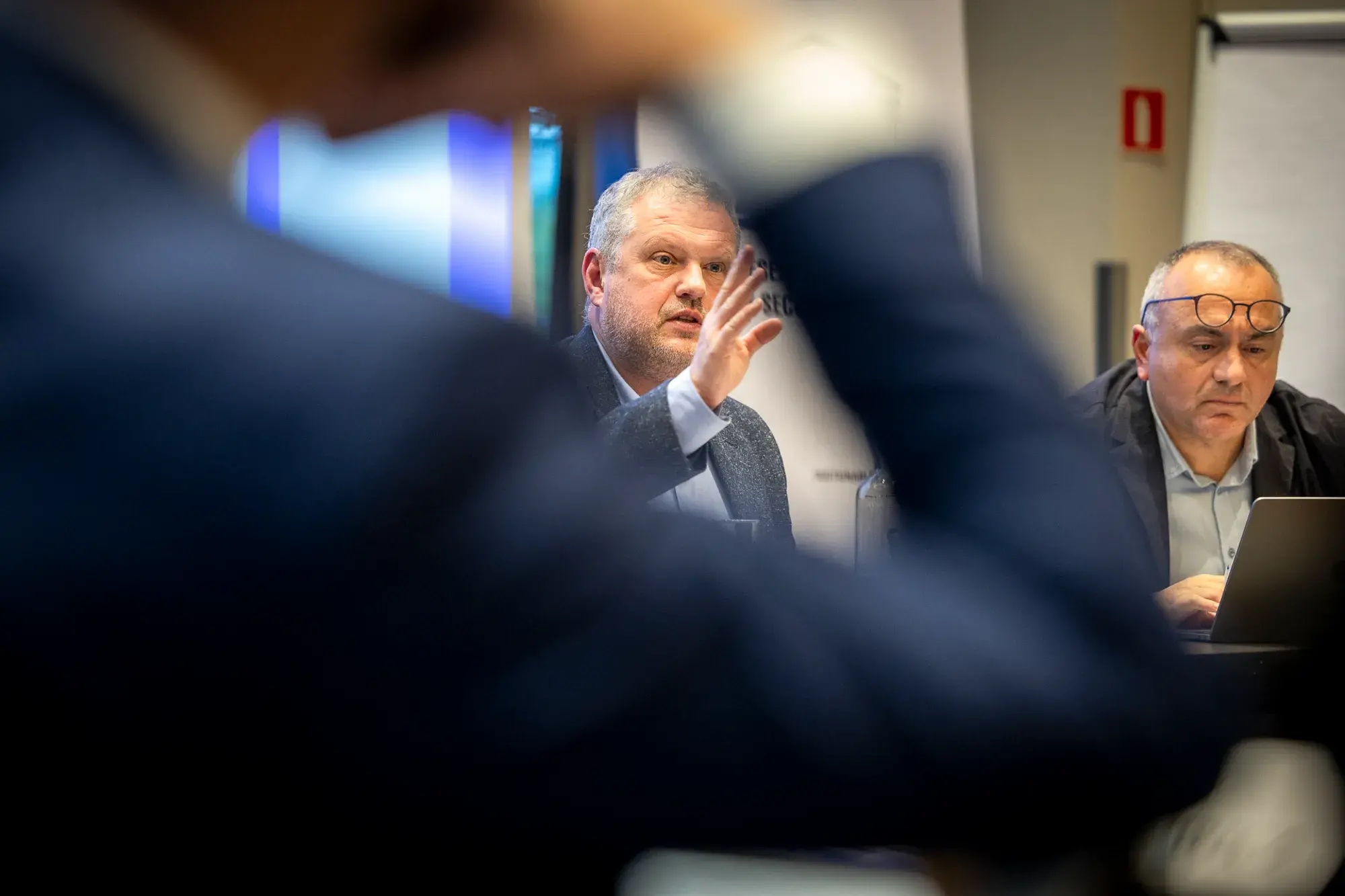
Opening the debate, Ernest Wyciszkiewicz, Director of the Mieroszewski Centre, noted that “we live in a time when it is hard to keep up with change — we need forums that help us better understand what is happening around us.” He emphasized that the conference was meant not only to exchange views but also to generate concrete policy insights on security and resilience.
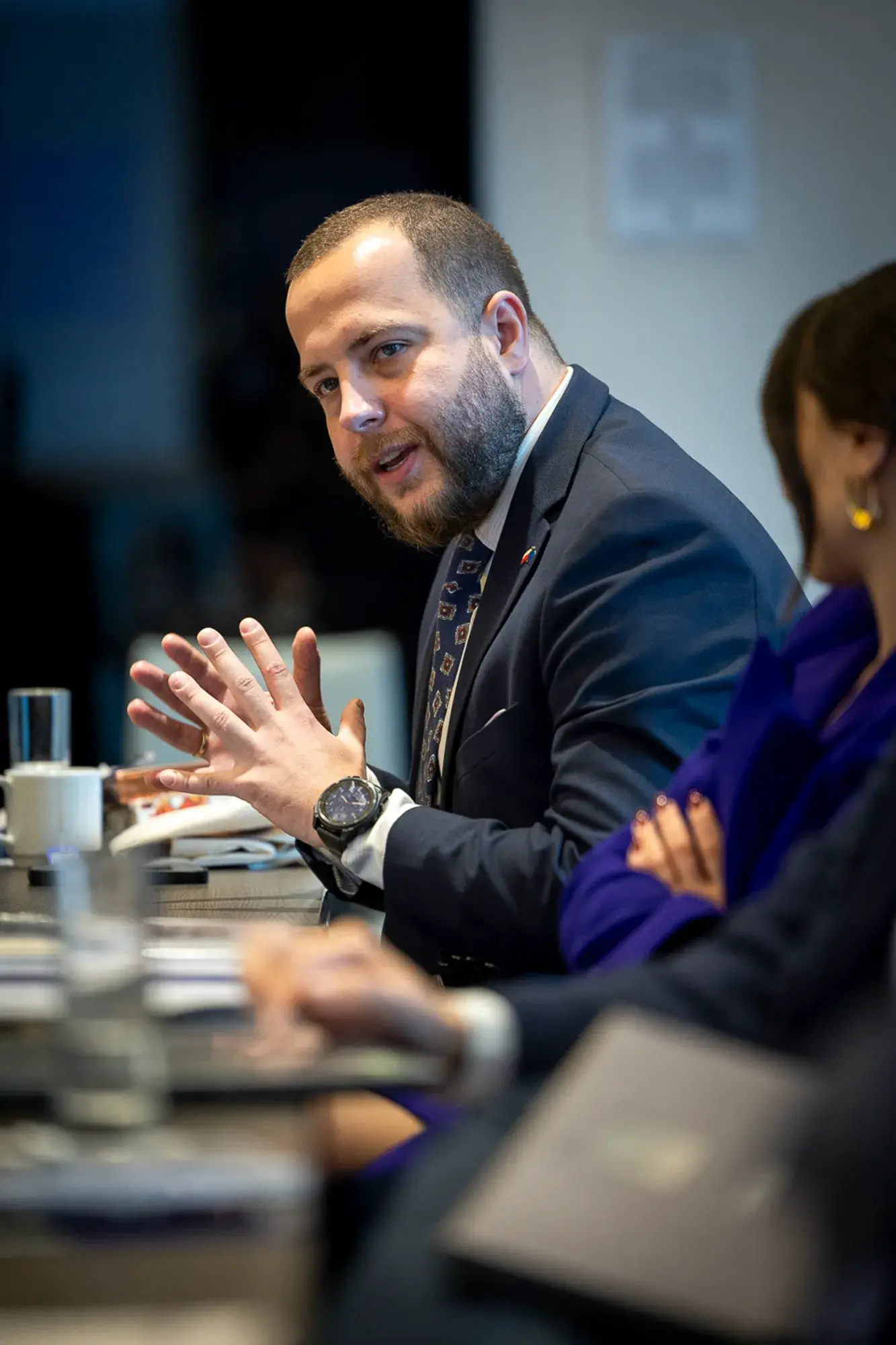
Karol Wasilewski from the Centre for Eastern Studies (OSW) argued that the war in Ukraine is part of a broader Russian project to reshape the international order. “For years, Russia has sought to redefine the global system to serve its own interests. For the countries of the South Caucasus, this means that Moscow continues to instrumentalize regional conflicts — particularly the Armenian-Azerbaijani one — to maintain its dominance,” he said. Wasilewski added that Armenia, like other regional states, is now searching for new partnerships based on cooperation with the West and NATO, which “operates in a demand-driven logic, responding to the specific needs of its partner countries.”
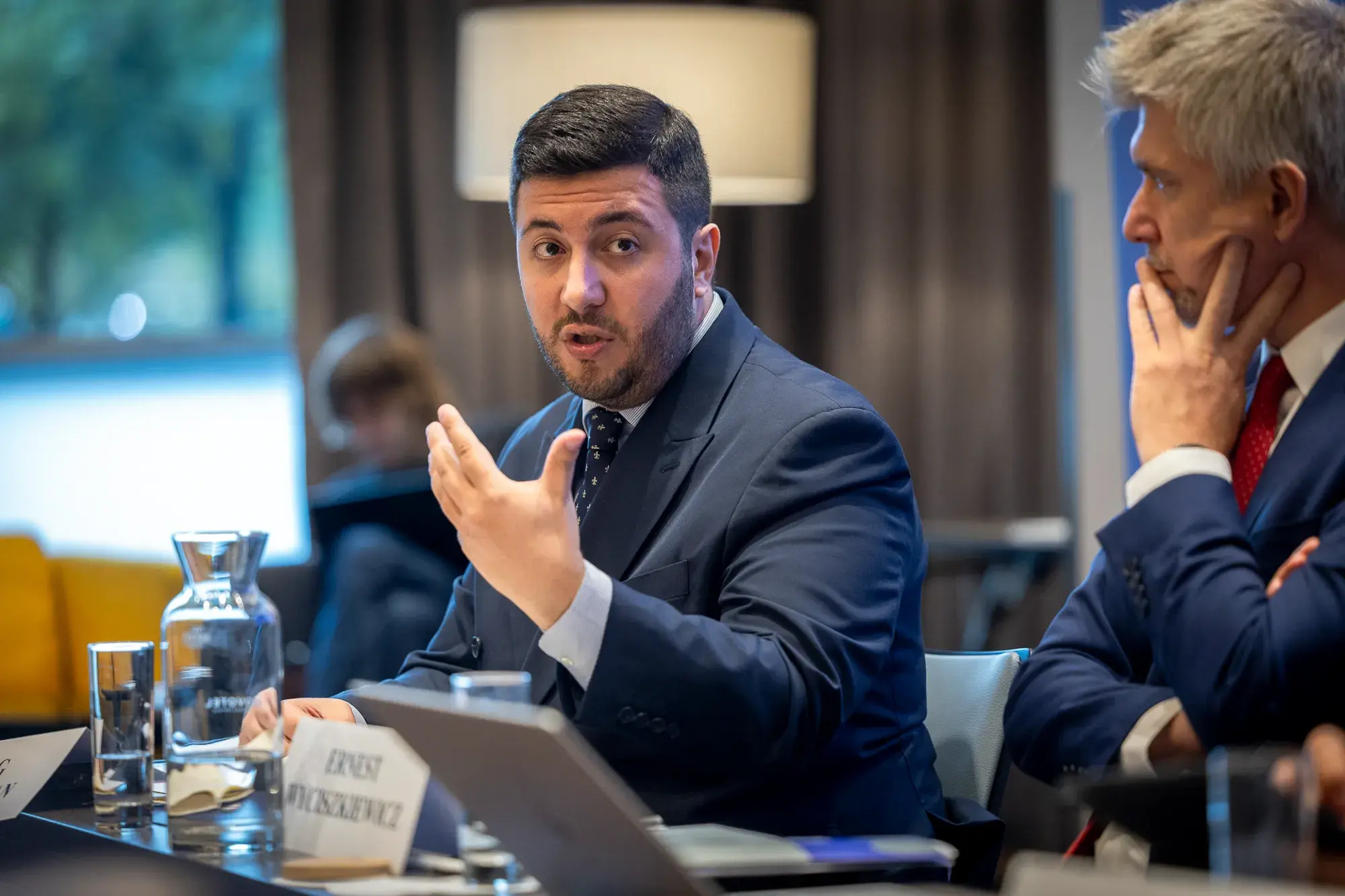
Areg Kochinyan, Head of the Research Center on Security Policy in Yerevan, presented Armenia’s perspective on these transformations. He explained that Russia’s invasion of Ukraine — and its lack of response to Armenia’s security concerns — triggered a deep shift in public attitudes. “Just a few years ago, Armenia was seen as Russia’s key ally in the region. Today, the word ‘Russia’ in Armenia has become synonymous with ‘betrayal,’” he stated.
Kochinyan also described what he called a “hybrid war waged by Russia against Armenia,” involving media propaganda, economic pressure, and the financing of pro-Russian political actors. He highlighted Yerevan’s current policy of diversification — from defense procurement to economic and energy cooperation. “It’s a test for our government — whether it will have the determination to truly make the country independent from Russia,” he said.
Summing up the discussion, participants agreed that Armenia stands at a crossroads — between its historical dependence on Moscow and a new, more Western-oriented policy direction. As Wasilewski observed, “The South Caucasus is increasingly being perceived as an integral part of Europe’s security architecture.”
Further sessions under the Chatham House Rule
The subsequent panels, held under the Chatham House Rule, addressed topics such as resilience to Russian influence, NATO’s security strategies on the Eastern Flank, and the prospects for Armenian-Turkish dialogue.
Poland as a facilitator of dialogue
On the third day of the conference, Armenian and Turkish experts took part in a trilateral expert meeting on South Caucasus security, jointly organised by the Mieroszewski Centre and the Centre for Eastern Studies (OSW). Poland – thanks to its location, defense capabilities, and transformative experience – plays a key role on NATO’s Eastern Flank, making it a natural place for international dialogue.
The mission of the Mieroszewski Centre
The conference is part of the broader mission of the Mieroszewski Centre, which for years has analysed historical, political, and social processes in Eastern Europe. Its aim is to deepen knowledge of the region and to build the resilience of democratic societies in the face of emerging challenges and threats.

