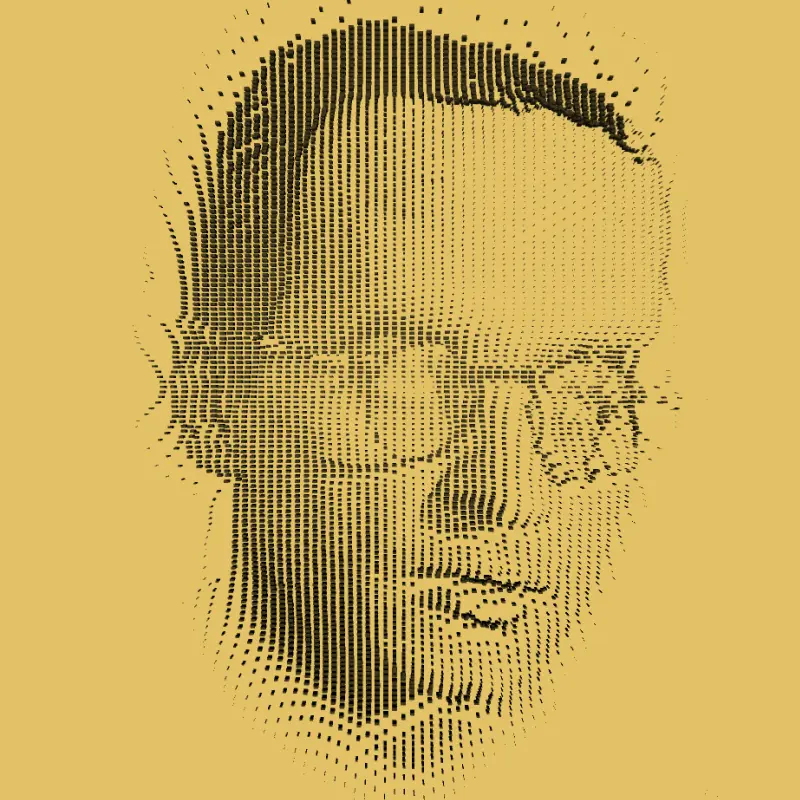

White light of the black forest
White light of the black forest is a collection of subtle, autobiographical essays by one of the most important contemporary Ukrainian intellectuals, translators, and essayists. Prokhasko guides the reader through the landscapes of childhood, memory, and imagination, creating a literary map of cities, homes, people, and objects that shaped his sensibility. Lviv, Stanisławów (present-day Ivano-Frankivsk), and historical Galicia are not merely settings, but fully-fledged protagonists of this prose.
“Life is a black forest, dense, thorny, and ruthless. (…) What one needs there is vigilance and familiarity — not thoughts, but thinking,” says one of the characters in the title essay.
This is a book for readers interested in Ukrainian literature at its most refined and essayistic — intimate, erudite, and deeply rooted in the Central European experience. Prokhasko writes about family memory, loss, urban topography, transience, and the legacy of vanished worlds, doing so with extraordinary sensitivity to detail: scents, light, textures, architecture, everyday objects, and books.
This is prose in which private memory meets the history of the twentieth century, and personal narrative becomes a meditation on culture, identity, and remembrance. Readers familiar with the works of Yuri Andrukhovych, Taras Prokhasko, or Ukrainian essayistic literature will find this book especially resonant — while for those just beginning to explore this world, it offers a remarkable and intellectually demanding literary invitation.
The publication was created as part of the Polish-Ukrainian School of Literary Translation Words for Words, a project of the Mieroszewski Centre for young translators of Ukrainian literature.
Yurii Prokhasko is a Ukrainian essayist, translator, literary scholar, and intellectual, regarded as one of the key figures of contemporary Ukrainian humanities. A translator of German-language literature (including works by Joseph Roth, Robert Musil, Joseph Conrad, and Sigmund Freud), he is also a researcher of Central European culture and a commentator on social and political life. For years, he has contributed to dialogue between Ukrainian and European cultures, combining erudition with exceptional literary sensitivity. His essays are distinguished by linguistic precision, historical awareness, and a remarkable ability to uncover meaning in seemingly minor details of everyday life.


