“Foametea. The Great Famine in Soviet Moldova 1946–1947”: An Outdoor Exhibition and Seminar in Warsaw
One of the greatest tragedies of post-war Europe remains almost unknown. An exhibition on the Great Famine in Soviet Moldova is to open in Warsaw
From 28 August to 15 September 2026, the outdoor exhibition “Foametea. The Great Famine in Soviet Moldova 1946–1947” will be on display at 34 Krakowskie Przedmieście in Warsaw. The official opening and a guided tour of the exhibition will take place at 12 noon on 28 August. Later that day, at 1.30 pm, a seminar featuring Moldovan researchers and members of the Memory Council of the Republic of Moldova will begin at Dom Bez Kantów.
The famine that struck the Moldavian SSR in 1946–1947 was one of the greatest humanitarian disasters of post-war Europe, yet it remains almost entirely absent from Polish public awareness. Drought and poor harvests exacerbated the food crisis, but they do not explain its scale. The decisive factor was the policy pursued by the Soviet authorities, which continued to enforce compulsory food deliveries despite the population’s desperate circumstances. As a result, the crisis developed into a social catastrophe that claimed the lives of around 200,000 inhabitants of the republic.
— The Holodomor in Ukraine is widely discussed in Poland, whereas the famine in Soviet Moldova in 1946–1947 remains almost unknown. We want to restore the memory of a disaster that claimed around 200,000 lives and demonstrate that its devastating scale was not simply the result of drought and poor harvests, but above all of the policies pursued by the Soviet authorities, which continued to enforce compulsory food deliveries despite the population’s desperate circumstances. The exhibition traces how political and administrative decisions transformed a food crisis into a social catastrophe — says Dr Łukasz Adamski, Director of the Mieroszewski Centre.
— At a time when history is being instrumentalised and used to spread disinformation, it is our shared duty to speak up for the forgotten victims and to defend the right of the nations of Central and Eastern Europe to their own historical memory, explains Karol Madaj, Acting Director of the Pilecki Institute.
History told through documents and testimonies
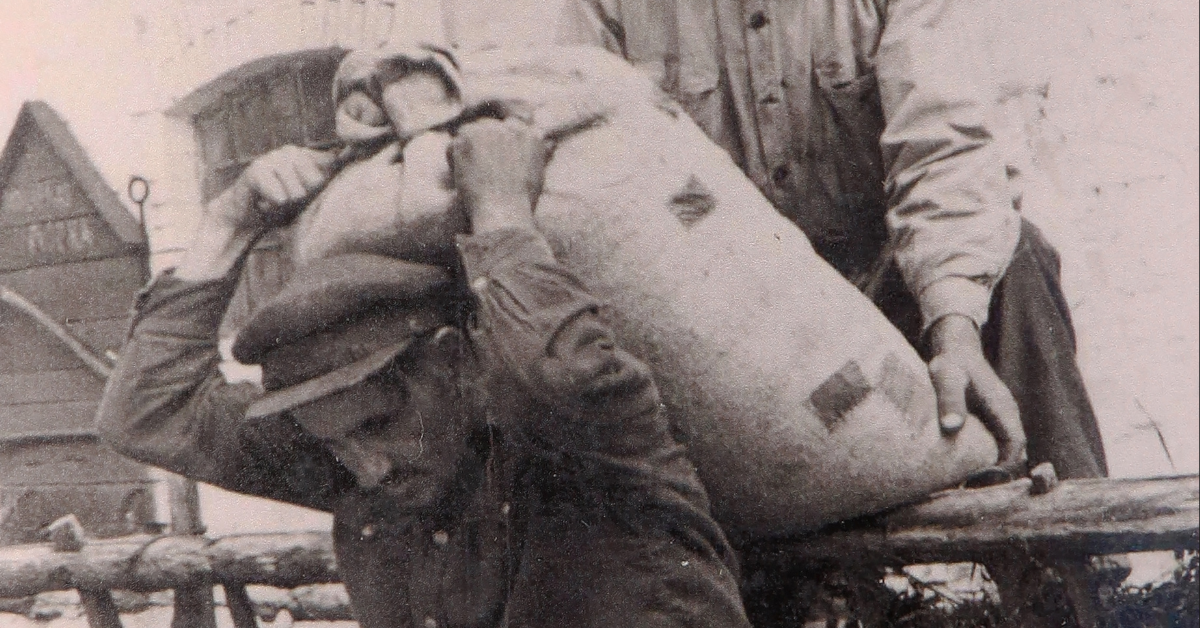
The exhibition presents materials that have until now been virtually unknown to Polish audiences. Visitors will see documents relating to compulsory food deliveries and food confiscations, ration cards, secret official reports detailing the scale of the famine, mortality rates and cases of cannibalism, as well as lists of supplementary food rations allocated to members of the Party nomenklatura. These materials are complemented by photographs, official decisions concerning orphans and orphanages, and oral-history testimonies presenting the tragedy from the perspective of its victims and survivors. The exhibits come from institutions including the National Museum of History of Moldova, the National Agency of Archives, the Avdarma Village History Museum and the Ceadâr-Lunga District Archives.
Seminar featuring Moldovan experts
Participants in the seminar will present the findings of their research into the Great Famine, discuss their work with eyewitness testimonies and describe current efforts to commemorate the victims of communist repression in Moldova. The seminar will feature the following members of the Memory Council of the Republic of Moldova:
- Dr Virgiliu Bîrlădeanu — a historian specialising in contemporary history, collective memory and the legacy of totalitarian regimes, and a researcher of Stalinist repression and deportations;
- Dr Ludmila Cojocaru — a historian specialising in oral history, memory and the history of Soviet Bessarabia, and Director of the Museum of Victims of Deportations and Political Repression at the National Museum of History of Moldova;
- Ignat Kazmaly — a historian and founder of the Avdarma Village History Museum, documenting Gagauzia’s experience under Soviet rule, including the famine of 1946–1947, deportations and repression;
- Alexandru Postica — a lawyer and researcher of contemporary history specialising in human rights and Soviet repression, Chair of the Moldovan Memory Council and the driving force behind the establishment of the Famine Museum in Mingir.
The seminar will be moderated by Michał Potocki, a journalist with Dziennik Gazeta Prawna, reporter and author of books on contemporary Ukraine and Belarus.
Programme — 28 August 2026
12 noon — official opening and guided tour of the exhibition
34 Krakowskie Przedmieście, Warsaw, next to the Visitationist Church
1.30–3.00 pm — seminar
Dom Bez Kantów, 11 Krakowskie Przedmieście, Warsaw
Admission to both events is free.
The outdoor exhibition will be on display from 28 August to 15 September 2026 at 34 Krakowskie Przedmieście in Warsaw. Admission is free.
The exhibition was created as part of the Lemkin Laboratory, a joint project of the Mieroszewski Centre and the Pilecki Institute.
